Sensō-ji
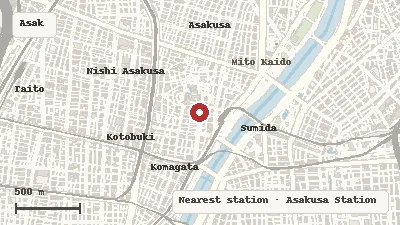
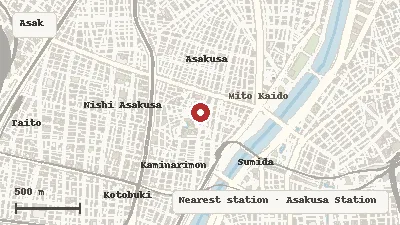
Sensō-ji anchors Asakusa's temple precinct beyond Kaminarimon and Nakamise. Its Kannon foundation story dates to the seventh century in temple tradition, while the present-day approach combines worship with a busy shopping street.
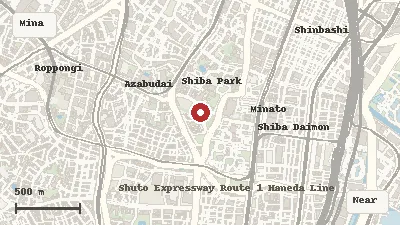
UNMAPPED JAPAN / LENS
Add older streetscapes, shops and experiences to an itinerary through their present-day locations rather than treating Retro Japan as one destination.
Use Discover to search the Places catalog by destination, Lens and keyword.
146 active places in this lens
Sensō-ji anchors Asakusa's temple precinct beyond Kaminarimon and Nakamise. Its Kannon foundation story dates to the seventh century in temple tradition, while the present-day approach combines worship with a busy shopping street.
Tokyo Tower opened in 1958 as a broadcasting landmark and now offers observation decks above Shibakoen. Its steel silhouette and changing illumination provide a different Tokyo view by day and after dark.

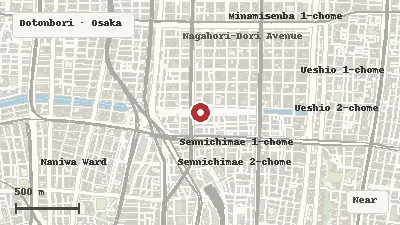
Dotonbori concentrates Osaka's restaurant signs, canal views and entertainment streets around the Dotonbori River. Start with the waterfront and Ebisubashi, then use the adjoining streets to explore places to eat. The district is a broader walking-and-dining stop than the individual Glico Sign viewpoint, which sits within it.

Tsukiji Outer Market is the food-shopping district that remains at Tsukiji after the wholesale market's move to Toyosu. Its lanes bring together seafood, dried ingredients, kitchenware and places to eat. Browse the specialist shops as well as the restaurant counters, and check individual opening days before making a particular business the reason for your trip.

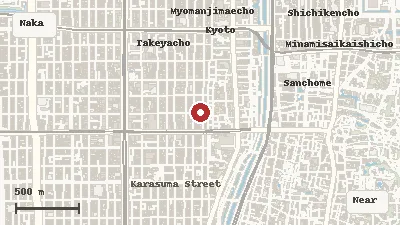
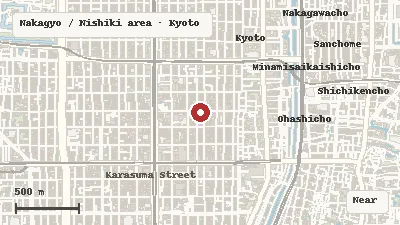
Kyoto's Nishiki Market gathers pickle sellers, seafood specialists, sweets and cooking supplies along a covered shopping street. It is a place to browse ingredients as well as prepared food. Follow the market association's request to eat at the shop where you buy food instead of walking with it through the narrow arcade.
Explore Yokohama Chinatown through regional cooking, colourful gates and community temples, leaving time for the quieter streets between its busy dining routes.
Move between Shinjuku Gyoen’s open lawns, formal garden and pond-side paths, with greenhouse collections and historic buildings adding variety to the walk.
Walk around Yokohama’s brick port warehouses, then explore the shops, food and cultural spaces adapted within their historic industrial shells.
Explore Nijō Castle’s palace rooms and gardens, looking at how paintings, carved details and the order of spaces expressed shogunal power.
Look out over Shinsekai from Tsūtenkaku, then return to the streets to see how the tower anchors Osaka’s lively retro entertainment district.
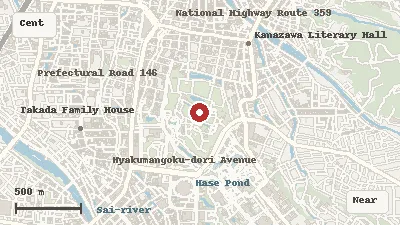
Walk Kenroku-en’s pond-side paths and bridges, comparing open views with quieter garden scenes shaped by generations of Kanazawa’s Maeda rulers.
Visit Yasaka Shrine between Gion’s streets and the Higashiyama landscape, taking time to see the religious setting behind Kyoto’s Gion Matsuri traditions.
Explore Matsumoto Castle’s timber keep and moat-side setting, looking for the contrast between defensive spaces and the more open moon-viewing wing.
Choose a few galleries and look closely at the objects behind Japan's artistic, religious and historical traditions.
Encounter the names, belongings and testimony behind Hiroshima's memorial landscape.
Trace Japan's natural history, then widen the view to evolution, the planet and the development of technology.
Follow Nagano's pilgrimage approach to a temple whose most important image is deliberately kept from view.
Pause beside Shibuya's famous meeting point and the story of the dog remembered there.

SAMURAI NINJA MUSEUM KYOTO introduces warrior history through displays of armor and weapons, guided explanation and hands-on activities. The experience-led format is the reason to choose it, rather than expecting a preserved samurai residence. Check which activities are included in the program you book before fitting it into a central-Kyoto day.
Follow Yokohama's harbor edge, pausing at monuments that connect a gentle park walk with the city's past.

Wooden teahouse façades give Kanazawa's Higashi Chaya District its distinctive streetscape. The area's connection with traditional entertainment is best explored by combining a street walk with a building or venue that explicitly welcomes visitors. Allow time to look at the latticework and building fronts without assuming every historic doorway is open to the public.
Explore Kobe's Chinese food traditions around Nankinmachi's gates, shops and central square.

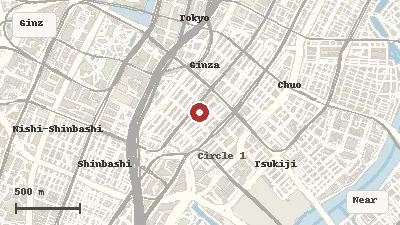
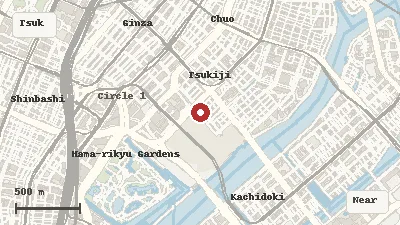
GINZA SIX combines luxury retail with contemporary art, dining and a rooftop garden on Ginza's Chuo-dori. The Kanze Noh Theatre adds a separate performing-arts destination within the complex. Decide whether your visit is for shopping, the building's public spaces or a performance, since each calls for a different plan.
Follow a familiar Hokkaido sweet from factory display to cafe, with optional confectionery activities to add to the visit.
Kokusai-dori links the prefectural-office area with Makishi through central Naha. Souvenir shops, restaurants and music venues line the route, while side streets lead into covered shopping arcades and the market area. Use the avenue as a starting point for exploring Naha's commercial center, allowing time to turn off the main street.
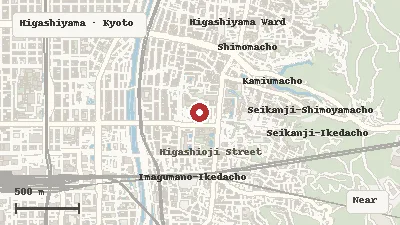
Pair the Tower of the Sun with gardens and surviving traces of Osaka's 1970 world exposition.
Shinsaibashi-Suji is a covered shopping corridor through Osaka's Minami district, mixing fashion stores and larger retailers with established specialist shops. Its linear layout lends itself to browsing on foot between the Shinsaibashi and Namba areas. Check individual businesses if you have a specific purchase in mind; the arcade does not operate as a single store.
Approach Yasukuni with attention to its religious role, commemorative purpose and the perspective presented by its museum.

Kuromon Ichiba brings seafood, produce, meat specialists and places to eat into a covered market in Osaka's Nipponbashi district. Its appeal lies in seeing food retail alongside prepared dishes, rather than treating the whole arcade as one restaurant. Browse individual businesses and use the market as a focused food stop in the Namba area.
Trace instant noodles from a small work shed to familiar packages, with optional making activities to book into the visit.
Look beyond Toji's pagoda to the sculptural mandala that makes its Buddhist teaching visible within the Lecture Hall.

Omicho Market brings Kanazawa's seafood and produce trade into a central network of food stalls, shops and small restaurants. The connection with Sea of Japan seafood gives it a different focus from the city's teahouse districts. Allow time to look at the ingredient counters as well as choosing somewhere to eat.

The Glico Sign's raised-arms runner is a specific landmark above Osaka's Dotonbori canal. Ebisubashi provides a familiar viewpoint for the billboard, making this a short photography stop within a larger district walk. Keep space for other bridge users and continue along the waterfront once you have taken in the sign.

Ginkaku-ji brings the Silver Pavilion, sculpted sand and mossy hillside paths together at the edge of Kyoto's eastern hills. The pavilion's dark exterior is part of its character; the name does not describe a silver-covered building. Follow the garden circuit for changing views of the temple, then continue toward the Philosopher's Path if a longer walk appeals.

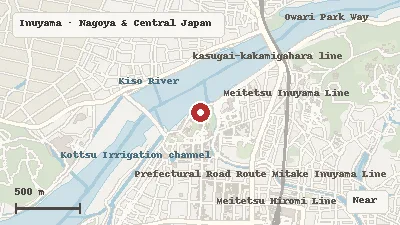
Inuyama Castle's surviving wooden keep stands above the Kiso River, giving the visit a focus on original structure as well as the setting. Inside, steep stairs and low beams make the physical experience part of the attraction. Consider those interior conditions when deciding whether to explore the keep or concentrate on the surroundings.

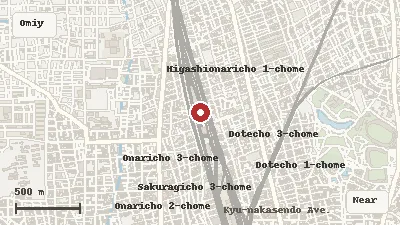
The Railway Museum in Omiya places historic rolling stock alongside displays about railway science and the people who operate the network. The vehicles give the visit its scale, while the work and technology galleries explain what keeps trains running. Choose a balance between looking at trains and exploring the systems behind them.

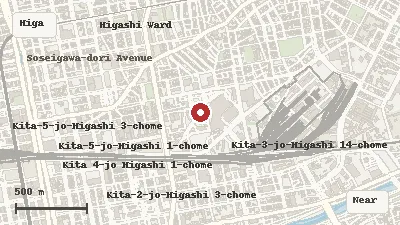
Sapporo Beer Museum follows the city's brewing history inside a red-brick industrial landmark. Displays connect the Sapporo brand with Hokkaido's development and changing beer culture, while the historic building gives that story a physical setting. Treat the galleries as the main visit, with an optional tasting or a separate Beer Garden meal extending the stop.

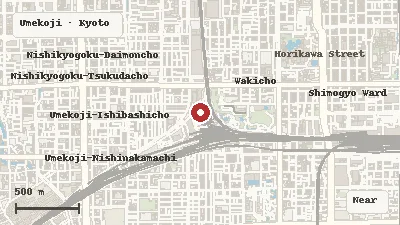
Kyoto Railway Museum sets steam locomotives and Shinkansen vehicles beside the historic Umekoji roundhouse and turntable. The maintenance buildings help explain how the preserved trains were operated, while nearby active lines connect the collection with today's railway. Allow time for both the vehicles and the working-system displays; individual experiences follow their own programs.

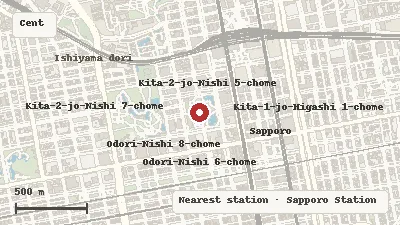
Sapporo Clock Tower preserves a wooden building from the city's early Agricultural College. Inside, displays explain the college, the growth of Sapporo and the workings of a mechanical tower clock. Looking through the exhibits adds context to the familiar exterior photograph and makes this a focused stop for understanding the city's Meiji-era beginnings.
Find Vories' decorative details among the shopping floors and entrances of Daimaru Shinsaibashi.

From Goryōkaku Tower, Hakodate's star-shaped fort becomes readable as a complete pattern of earthworks and water. The observation floors also interpret the fort's history, giving the panorama more context than a city view alone. Pair the elevated perspective with a walk through Goryōkaku Park to see how the same defensive landscape feels at ground level.
Compare ramen styles in a recreated 1958 streetscape, with food history alongside the bowls.

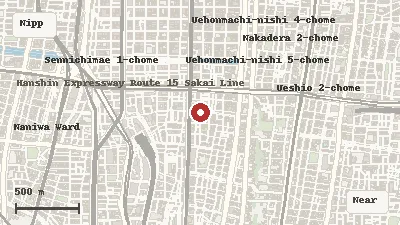
Nakamise-dori forms the shopping approach from Kaminarimon toward Sensō-ji in Asakusa. Small storefronts offer sweets, souvenirs and crafts along the route, making the temple approach a browse in its own right. Allow room for both shoppers and people heading to the temple, and distinguish a daytime shopping visit from a walk after individual stores have closed.
Follow the wooded approach to Hokkaidō Jingū beside Sapporo's Maruyama Park.

Hakodate's Kanemori Red Brick Warehouse complex puts former port buildings to use as shops, restaurants and cultural spaces. The brick façades and waterfront setting still reveal the area's commercial past as you move between contemporary businesses. Combine an exterior walk with whichever interiors interest you, leaving room to explore the adjoining bay district.
See the Yamato model, then follow Kure's naval and shipbuilding history beyond it.
Pick a gate for Showa Kinen Park's lawns, gardens and shifting flower displays.
Arrive over the hills by gondola, then choose between Bandit and gentler rides.
Explore an original 1611 castle keep and its moated Matsue setting.
Find postwar Shinjuku's tiny food lanes a short walk from the station.

Tower Records Shibuya is a multi-floor music shop where physical recordings, artist displays and staff recommendations invite unhurried browsing. Moving between genres offers a different view of Japan's music market from an online catalog. Check the store's current listings if a particular release, campaign or in-store event is the reason for your visit.

Nijo Market puts seafood counters, produce sellers and small restaurants close to central Sapporo's Sōsei River. Its compact streets make it possible to browse Hokkaido ingredients and choose a meal within the same stop. Look at the market as a collection of individual businesses, each with its own hours and specialties, before continuing toward nearby city sights.

At Toyota's Commemorative Museum of Industry and Technology, textile machinery leads into the story of automobile manufacturing. Preserved factory buildings give the exhibits an industrial setting, while working-machine demonstrations help explain processes that finished vehicles cannot show. Divide time between the textile and automobile pavilions to follow the connection between the two industries.
Walk Mojiko's historic port streets and look across the Kanmon Strait.
Browse music boxes inside Otaru's historic main shop by the steam clock.
Search Nakano Broadway's upper floors for manga, figures and niche finds.
Walk through reconstructed Edo and follow the city's transformation into Tokyo.
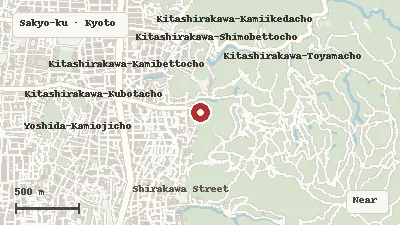
Walk Ninenzaka's stone slope through Kyoto's Higashiyama lanes.
Browse knives, tableware and replica food along Kappabashi's kitchen street.
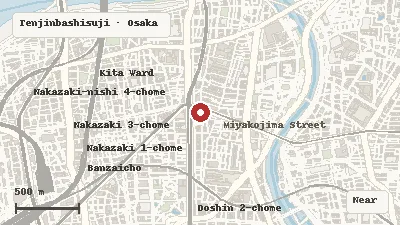
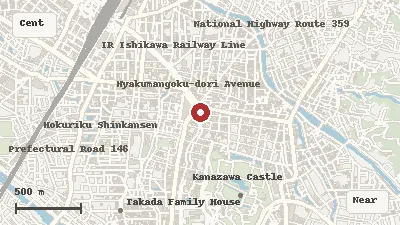
Kanazawa Castle Park combines surviving historic structures with reconstructed buildings and extensive stone walls on the former seat of the Maeda lords. Walking the grounds reveals differences in masonry and the scale of the old castle complex. Pair it with nearby Kenrokuen if you want to explore how the castle and garden relate within central Kanazawa.
Pause at Osu Kannon before entering Nagoya's lively shopping lanes.
Walk the star fort's moat and grounds at Goryōkaku Park.

Kairakuen in Mito reflects Tokugawa Nariaki's idea that study and recreation should complement one another. Plum trees give the garden its best-known seasonal identity, but its paths also invite a broader look at the landscape created for the Mito domain. Consider the garden and Kōbuntei as related parts of a visit, checking their separate entry arrangements.
Walk Toei's renewed Edo-style streets and check the day's shows.

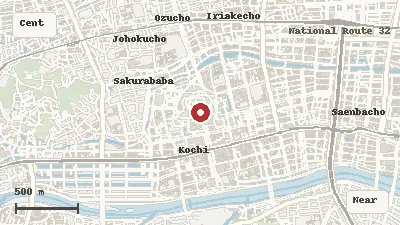
Kochi Castle preserves the relationship between a surviving keep and the palace buildings of its inner compound. Moving through the site reveals the residential and administrative side of castle life alongside defensive architecture. Give the connected buildings as much attention as the tower silhouette to understand the former center of the Tosa domain.
Walk Shinsekai's neon lanes beneath Tsūtenkaku in Osaka.
Descend Yūyake Dandan into Yanaka Ginza's neighborhood shops.

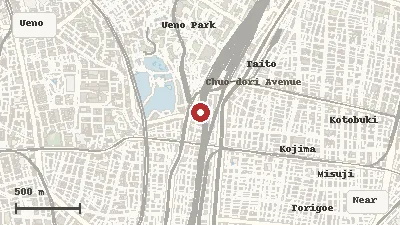
Ameyoko follows the railway between Ueno and Okachimachi through a dense mix of food stalls, clothing shops and specialist retailers. The market's postwar origins help explain its compact, improvised feel beneath and beside the tracks. Browse the changing mix of goods and side passages, leaving time to compare individual shops rather than expecting a single market hall.

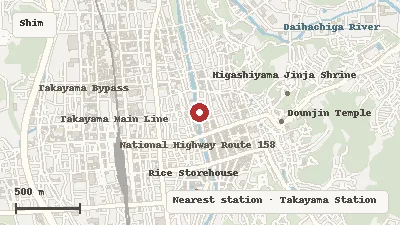
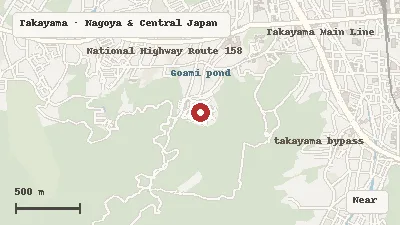
Miyagawa Morning Market brings produce, pickles, crafts and snacks to the riverside in central Takayama. Temporary stalls and permanent shops create a route where browsing can alternate with views of the water and nearby old-town streets. The mix of sellers changes with season and weather, so approach it as a morning market walk rather than a fixed list of stalls.

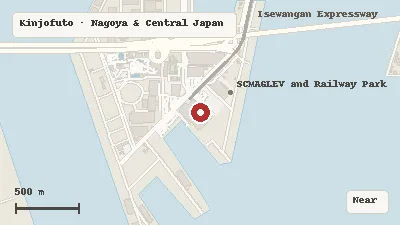
SCMAGLEV and Railway Park in Nagoya follows the development of rail technology from steam locomotives to Shinkansen and superconducting maglev. Preserved vehicles show changes in shape and engineering, while system displays explain speed, comfort and operation. Compare several generations of trains before exploring the maglev material to see how the technologies relate.

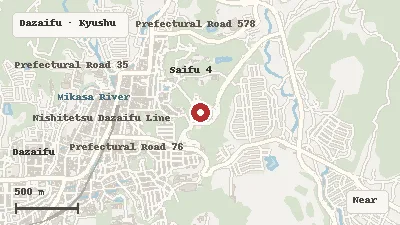
Kyushu National Museum in Dazaifu examines how exchange with Asia shaped Japanese culture. Archaeological objects, religious art and trade-related material form a connected story inside a large contemporary building set against wooded hills. Pair the Cultural Exchange Exhibition with Dazaifu's shrine district, leaving enough time to follow the museum's theme rather than rushing between highlights.
Miyama's Kayabuki-no-Sato preserves a lived-in cluster of thatched farmhouses.
Taste Kawagoe's confectionery tradition along Kashiya Yokocho.
Den Den Town packs electronics, games and anime retail into Osaka streets.
See Inubōsaki's white lighthouse on the Chōshi headland.
Find brewery-era brickwork beside Sapporo Factory's shops and atrium.
Climb Magome-juku's old Nakasendō street in the Kiso hills.

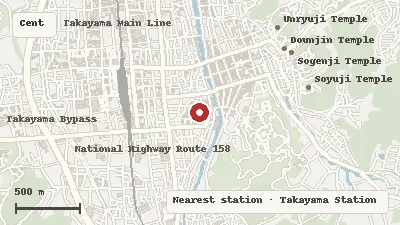
Takayama Jinya preserves the administrative side of Edo-period Hida in a complex of offices, residential rooms and storehouses. Moving between these spaces shows how governing the region involved both official business and the routines of a working household. It provides a useful counterpart to Takayama's merchant streets by bringing the machinery of government into view.

Sankeien Garden in Yokohama brings historic buildings relocated from different parts of Japan into a landscape assembled by silk entrepreneur Hara Sankei. Paths connect architectural views with the planted grounds, allowing the buildings to be experienced as part of a larger composition. Look at their individual origins as well as the way they sit within the garden.
A preserved Nakasendo post town and the Kiso Valley route toward Magome.
A long-running Iwate farm landscape with public activities beneath the mountains.

Kyoto National Museum brings premodern art and cultural properties into a campus combining Meiji-era architecture with the modern Heisei Chishinkan. Its subject matter connects closely with the temples and shrines of the surrounding city. Check the exhibition calendar before arranging a gallery visit: between programs, access may be limited to the gardens and outdoor exhibits.

Osaka Museum of Housing and Living uses a full-scale Edo-period streetscape to bring urban domestic history within walking reach. Reconstructed lanes and merchant buildings let visitors experience the scale of a neighborhood, while other galleries trace later changes in housing and everyday life. Compare the immersive town setting with the modern-era displays for a longer view of the city.
Period-style streets, performances and participatory Edo-themed experiences near Nikko.

Zuihoden stands on a wooded Sendai hillside as the mausoleum of Date Masamune. Ornate reconstructed architecture and nearby memorials to later Date lords connect the site with the domain's ruling family. Read the buildings as postwar reconstructions of a lost complex while appreciating the continuing memorial purpose of the grounds.
Choose among Hyotan Onsen's baths in Beppu's Kannawa district.
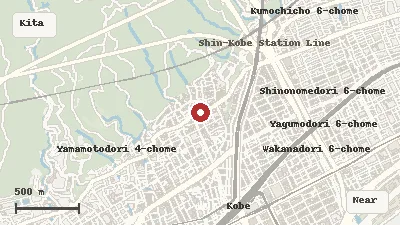
Hida no Sato gathers traditional farmhouses and other regional buildings into an open-air museum near Takayama. Roof forms, domestic spaces and everyday tools show how mountain households adapted to heavy snow and rural work. Move between several buildings to compare their uses, remembering that the village brings structures from different original communities together.
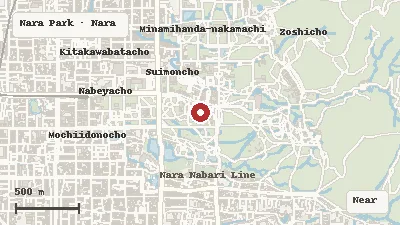
A long wooden Nakasendo streetscape through the Kiso Valley at Narai-juku.

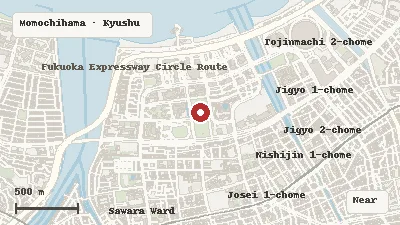
Fukuoka City Museum presents the city's history through its long relationship with continental Asia. The ancient gold seal associated with the state of Na provides a starting point for a wider story of diplomacy, trade and local life. Follow the regional narrative beyond that single object to connect the museum with the city outside.

Osaka Museum of History connects gallery reconstructions with the Naniwa Palace landscape visible outside. Its route moves from ancient political life through the merchant city to modern Osaka, using environments and models to show changes in urban form. Look out toward the archaeological site as well as at the displays to keep the history tied to place.
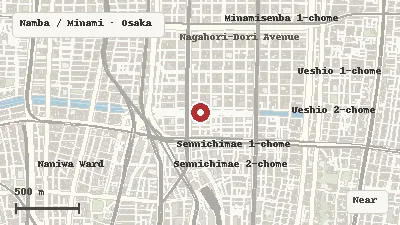
Sennichimae Doguyasuji reveals Osaka's restaurant culture through the tools behind it. Knives, cookware, tableware, signs and food models fill specialist shops along a compact Namba arcade. Browse with a particular interest in mind or compare what different businesses supply; the street serves working kitchens as well as visitors shopping for smaller items.

Kobe's Kitano Ijinkan-gai follows hillside streets between Western-style residences associated with the city's foreign communities. The surviving houses show a residential side of treaty-port history, with cafés and later uses woven into the district. Choose individual interiors after checking their access arrangements, and allow for uphill walking between them.
Stroll Tomonoura's harbor streets and stone lighthouse.
Walk through relocated Tokyo buildings at the open-air museum.
Browse Nakasu's evening yatai along the Naka River.

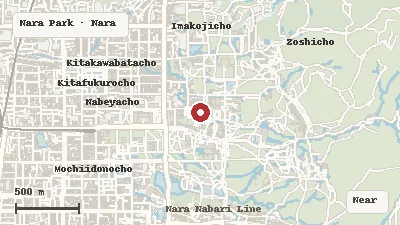
Nara National Museum places Buddhist sculpture, painting and ritual material in the context of the region's religious history. Its galleries can help explain objects and imagery encountered at nearby temples, making the museum a useful part of a Nara Park day. Choose from the current exhibitions rather than assuming every collection highlight will be on view.
Explore Fushimi sake history at Gekkeikan's Ōkura museum.
Explore thatched farmhouses above Gero Onsen.

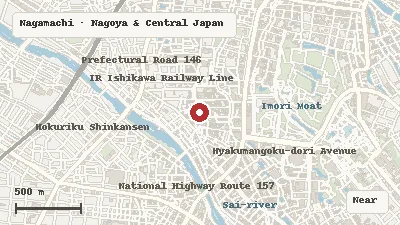
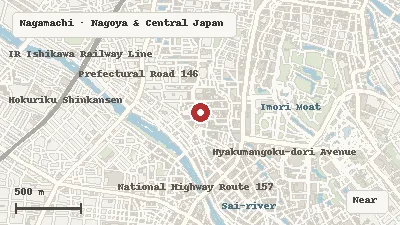
Nagamachi preserves the street pattern and atmosphere of a former samurai residential district in Kanazawa. Earthen walls, narrow lanes and canals reveal the boundaries of households once linked to the Kaga domain. Explore the public streets first, then choose individual residences or museums to enter; the district is a neighborhood with separate sites rather than one enclosed attraction.

Nomura-ke opens one samurai household within Kanazawa's Nagamachi district to closer inspection. Interior rooms, displayed objects and a compact garden bring the scale of domestic life into focus after walking the neighborhood's walled lanes. Look at how the rooms frame the garden as well as at individual details to understand the relationship between the house and its setting.
Explore Owari Tokugawa treasures in Nagoya.

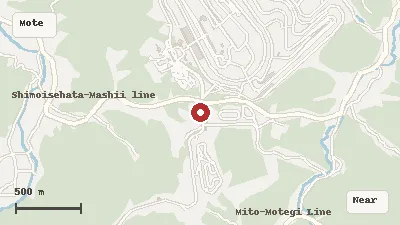
Honda Collection Hall at Mobility Resort Motegi brings motorcycles, road cars and competition machines into a story of Honda's engineering development. Seeing different vehicle types together reveals links between everyday mobility and racing. Follow the collection's historical sequence while allowing for changing displays, and plan the museum within the wider Motegi site's access arrangements.

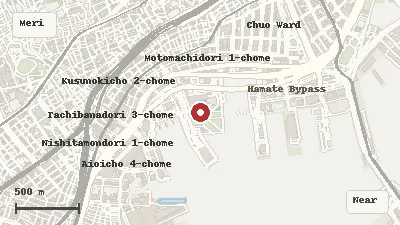
Kobe Maritime Museum places the port's history beneath a white roof that evokes sails on the Meriken Park waterfront. Ship models and maritime displays explain the activity behind the harbor scenery, while Kawasaki Good Times World shares the building with a broader industrial focus. Follow the subjects that interest you, then compare the exhibits with the working waterfront outside.

Suganuma is a compact Gokayama village of nine traditional gassho-zukuri farmhouses, preserving steep thatched architecture within a small mountain settlement rather than an open-air museum.
Explore Nintendo's cards, toys and games at its Uji museum.

Super Potato Akihabara fills a specialist retro-game shop with used hardware, cartridges, boxed games and related collectibles. Browsing the shelves reveals how Japanese game packaging and consoles changed across generations. Treat it as an active retailer with variable stock, and check condition, language and hardware compatibility carefully if a particular game or console is the reason for visiting.

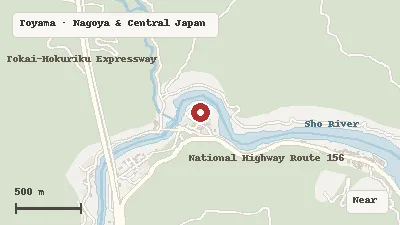
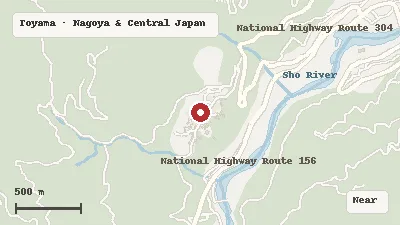
Ainokura is a working Gokayama hamlet of about twenty steep-thatched gassho-zukuri farmhouses on a terrace above the Sho River, preserving a compact mountain settlement pattern.

Historical Village of Hokkaido gathers relocated and reconstructed buildings into an open-air museum on Sapporo's eastern side. Town, farming and fishing settings show aspects of everyday life during the Meiji and early Showa periods. Compare homes with workplaces as you walk, remembering that the village assembles buildings from different communities rather than preserving one settlement in place.
Showa-no-Machi in Bungotakada revives a mid-20th-century shopping district through retro storefronts, small museums, cafés and local businesses arranged around the old town center.
Sugamo Jizo-dori is a roughly 780-meter shopping street on the former Nakasendo route, where Koganji temple, health-related devotion and around 200 local businesses shape the district.

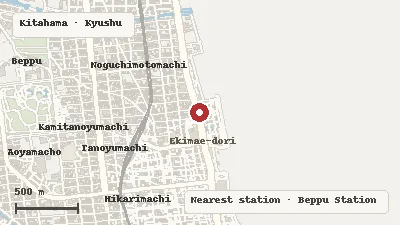
Beppu Tower offers a view of the city and bay from a steel landmark of Japan's postwar tourism era. Opened in 1957 and designed by Tachū Naitō, it belongs to the same tower-building tradition as several better-known urban observatories. Its waterfront setting puts Beppu's coastal geography at the center of the visit.

Aizu Bukeyashiki is an open-air museum centered on a full-scale reconstruction of chief retainer Saigo Tanomo's 38-room residence, with additional historic buildings on the grounds.
Explore Amemura's street fashion, music and murals around Sankaku Park.

Ashikaga School preserves the setting of a historic center of learning associated with Chinese classics and Confucian study. Restored buildings and gardens help visitors picture its scholarly life, while the site's long history includes uncertainty about its earliest foundation. Read the present complex as a carefully interpreted historic place and combine it with the nearby old-town surroundings.

First Makishi Public Market brings Okinawan food shopping and dining together in central Naha. Browse the ground-floor fresh-food stalls, then explore the upstairs eateries. The market's ingredient-to-kitchen service offers another way to taste the produce, with eligible purchases prepared by participating restaurants under their own conditions.
Walk Fukushūen's pavilions and ponds in Naha.

Kobe City Museum occupies a former bank building in the old foreign settlement, giving its collections an architectural connection to the city's international past. Archaeology, maps and works associated with cultural exchange trace relationships extending beyond the modern port. Check the current exhibition program, then look at the surrounding streets as another part of that history.

Kurashiki Ivy Square occupies an 1889 cotton-mill complex converted into an ivy-covered hotel, museum and event property beside Kurashiki's Bikan Historical Quarter and canals.

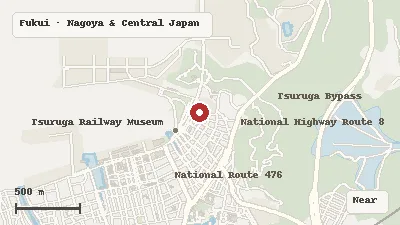
Tsuruga Red Brick Warehouse preserves two 1905 waterfront warehouses, now reused for restaurants and a railway diorama that reflects the port city's long rail and maritime transport history.

Banna-ji Temple occupies the former Ashikaga clan residence, whose moat and earthen banks still outline the precinct. Within that fortified setting stands a main hall designated a National Treasure. The combination makes this central Ashikaga temple a place to see how a warrior family's residence developed into a religious site.
Walk a restored Ryukyu royal garden used for diplomacy and retreat.

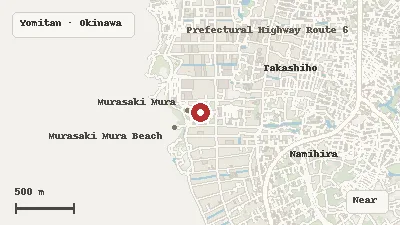
Murasakimura brings Ryukyu-style streets and Okinawan hands-on activities together in Yomitan. Its village setting grew from a historical television production and now provides a backdrop for craft and cultural programs. Rather than simply walking past displays, visitors can choose an activity and make that the center of the visit.

The Former Hokkaidō Government Office, known as the Red Brick Building, combines a landmark Sapporo exterior with exhibitions about Hokkaido's history and culture. Inside, the visitor route includes material on Ainu culture and the building's administrative past. The restored setting gives the familiar façade more meaning than a photograph alone.

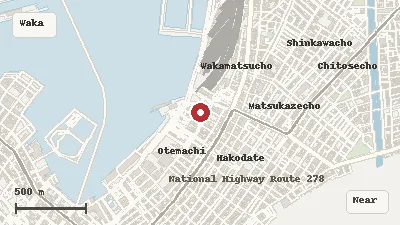
Hakodate Morning Market brings seafood sellers, produce shops and places to eat together beside Hakodate Station. A visit can combine browsing the stalls with a seafood breakfast or another market meal. The district is made up of separate businesses, so its character changes as individual shops open, trade and finish for the day.

Takenaka Carpentry Tools Museum in Kobe explains the tools and skill behind Japanese timber construction. Exhibits connect chisels, planes and other implements with the carpenters who use them, supported by models and material displays. It offers a closer look at the craft that is often hidden inside temples, houses and tea rooms.

Isuien brings two periods of garden design together near Nara's temple district. Its front garden has Edo-period origins, while the later rear garden draws surrounding hills and Tōdai-ji's gate into the view. The adjoining Neiraku Museum adds an art stop to the garden visit.
Join a booked maiko tea ceremony and dance program in Kyoto.
Slow down beside the pond and tea rooms at Fukuoka's Yusentei Park.
A renovated traditional inn in central Naramachi, within walking distance of Gangō-ji.
Shibuya / Udagawacho: A vinyl-focused HMV record shop in Udagawacho, an area once synonymous with Shibuya record.
Browse vinyl at HMV record shop Shinsaibashi in its March 2026 standalone location.
A second-floor Super Potato branch in Higashi-Ikebukuro carrying retro through current game.
In Nipponbashi / Ota Road, A Super Potato branch on Osaka’s Ota Road specializing in retro games.
The roughly 200-meter retro approach from Ebisucho toward Tsutenkaku — Shinsekai / Ebisuhigashi.
Nagoya / Arimatsu: A preserved Tokaido-era textile town known for shibori dyeing and dark wooden merchant houses.
A specialist HMV vinyl shop in Shinjuku Marui's main building.
Visit Mount Ikoma's 1929 amusement park for the Flying Tower, family attractions and broad views of Osaka and Nara, with cable-car access from Ikoma Station.

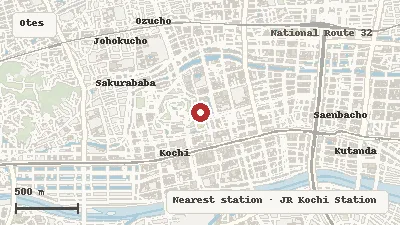
Kochi Sunday Market brings local produce, plants, household goods and prepared food onto Otesuji near Kochi Castle. The stalls make a weekly street market part of the city center rather than a separate shopping complex. Seasonal ingredients and foods such as sweet potato tempura give visitors a way into everyday tastes from the region.
Sunpu Castle Park, Aoi Ward: The standing-style tea service inside Sunpu Castle Park's Momijiyama Garden.
Preserved samurai houses and hedged lanes that show the domestic side of a castle town — Sakura.

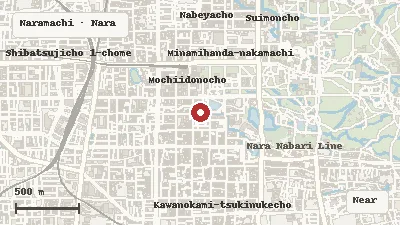
Salon Naramachi introduces tea culture through carefully chosen tea, seasonal sweets and a setting designed around hospitality. The Nara branch offers a way to pause in the historic district while paying attention to vessels, presentation and season. Workshops and lessons provide a more participatory experience when separately arranged.
Osu / Nagoya: The Tokai-area Super Potato branch in Nagoya’s Osu district, with a large retro-game selection.
A smaller long-running neighborhood Super Potato branch in Osaka’s Showacho area — Showacho / Abeno.
A reservation-based tea-ceremony experience in a traditional house opposite Ryoan-ji in Ryoan-ji / Ukyo Ward.

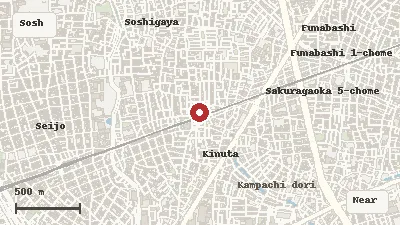
The Ultraman Shopping District spreads through the everyday streets around Soshigaya-Okura Station. Hero statues, themed streetlights and character details celebrate the area’s connection with Tsuburaya Productions, turning a neighbourhood walk into a trail of tokusatsu references among local shops and places to eat.
Ura-Namba is a loose network of small restaurants and bars behind Namba’s larger shopping frontages. Counter dining, standing bars and narrow lanes give it an intimate scale, with the pleasure coming from choosing a meal or moving between a few different places as the evening develops.
Thanks for helping us improve. We have received your feedback.