
Why go
Its focus on successive railway technologies suits visitors interested in the engineering behind faster travel.
Field Notes
The entrance display brings three very different record-setting machines together. Steam locomotive C62 17 reached 129 kilometers per hour in 1954, a record for narrow-gauge steam. The experimental 300X Shinkansen reached 443 kilometers per hour in 1996, while the MLX01-1 maglev reached 581 kilometers per hour in 2003. These are historical test achievements, not the normal passenger-service speeds of the trains in the adjacent hall.
Use that group as a starting point, then compare it with production Shinkansen such as the 0, 100, 300 and 700 series. The contrast separates experimental ambition from the vehicles that carried everyday passengers. The railway-system displays broaden the story from speed to safety, comfort, ticketing and operation, while the maglev room explains levitation and propulsion. This order gives the large collection a manageable question to follow: what had to change in the whole railway system when trains became faster?
Planning Notes
Suggested time on site: 3–4 hours. Keep travel and waiting time separate from that estimate.
Timing noted for this stop: Opening hour on a weekday.
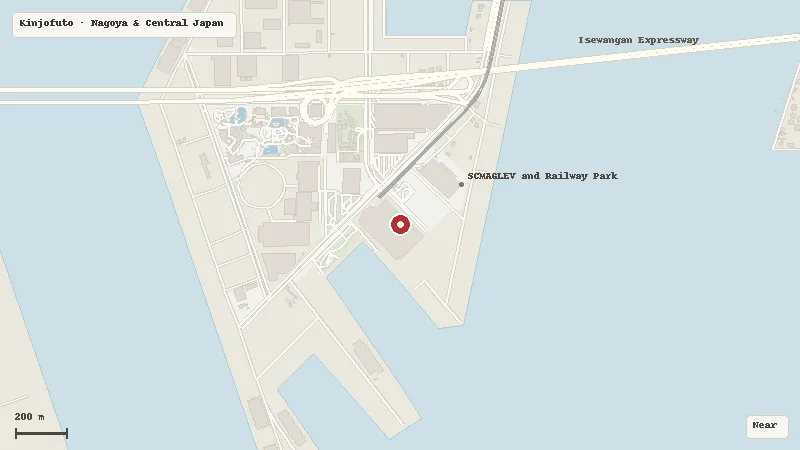
Access reference: Kinjofuto Station on the Aonami Line; about 2 minutes on foot. Check the final walking or connecting leg when choosing your route.
Location
Map data © OpenStreetMap contributors