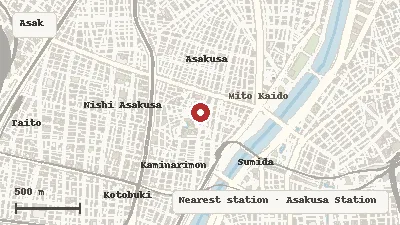
Sensō-ji
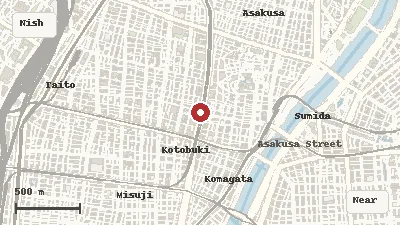
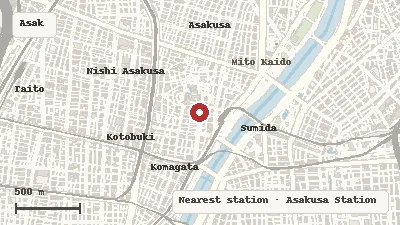
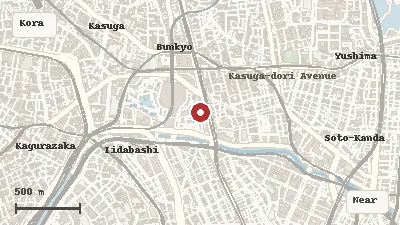
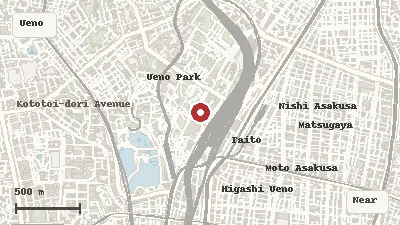
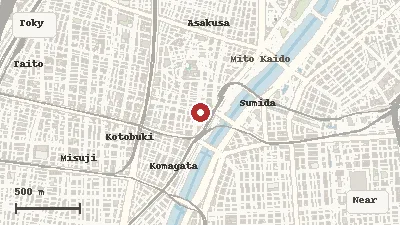
浅草寺Sensō-ji anchors Asakusa's temple precinct beyond Kaminarimon and Nakamise. Its Kannon foundation story dates to the seventh century in temple tradition, while the present-day approach combines worship with a busy shopping street.
Tokyo / Kantō
Build a Tokyo & Kantō route from curated places, then use each guide’s practical context to decide what belongs in the itinerary.

Sensō-ji anchors Asakusa's temple precinct beyond Kaminarimon and Nakamise. Its Kannon foundation story dates to the seventh century in temple tradition, while the present-day approach combines worship with a busy shopping street.
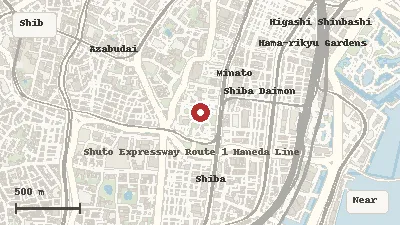
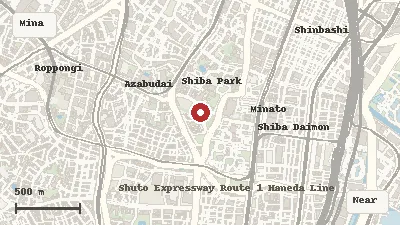
Tokyo Tower opened in 1958 as a broadcasting landmark and now offers observation decks above Shibakoen. Its steel silhouette and changing illumination provide a different Tokyo view by day and after dark.

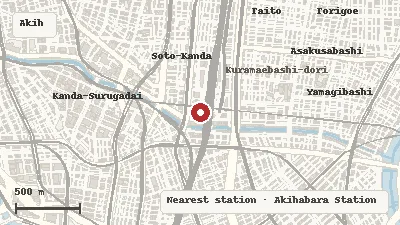
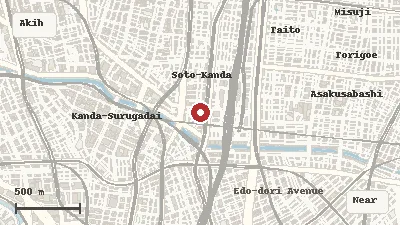
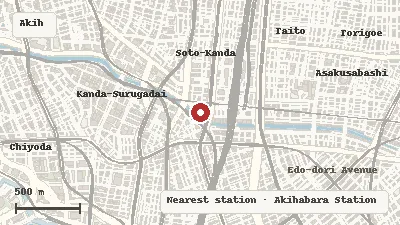
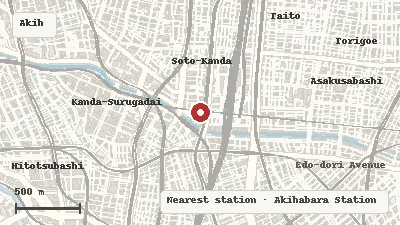
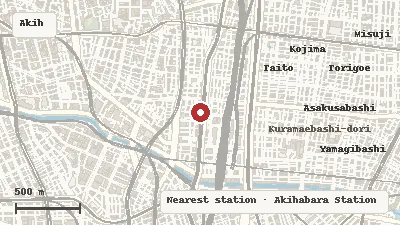
maidreamin's Akihabara Head Store is a themed maid café on the sixth floor of the Sumiyoshi Building in Sotokanda. It offers the group's playful café experience in its home district.

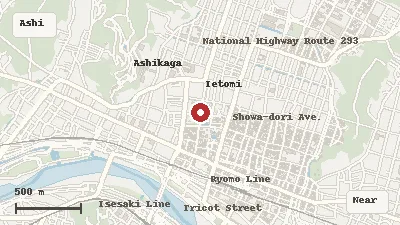
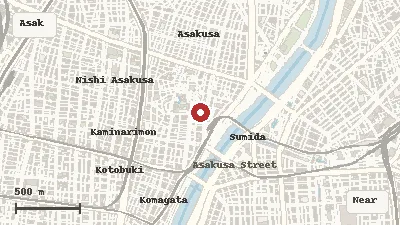
VASARA's Sensoji Store rents kimono and yukata near the temple approach in Asakusa. Dressing and optional hair services prepare visitors for a walk through the neighborhood.

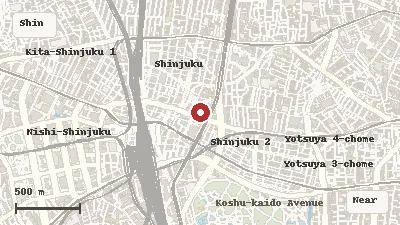
Maikoya's Samurai Museum TOKYO in Shinjuku offers guided samurai-history exhibits and hands-on activities. This Shinjuku 5-chome venue is distinct from the closed Kabukicho museum.
Tokyo Skytree offers a high-level view of the city from Oshiage, with the Tembo Deck and higher Tembo Galleria providing two observation levels. The Sumida River and surrounding urban grid give the panorama an eastern-Tokyo focus. Leave room for the Solamachi complex below if shopping or a meal is part of the visit.

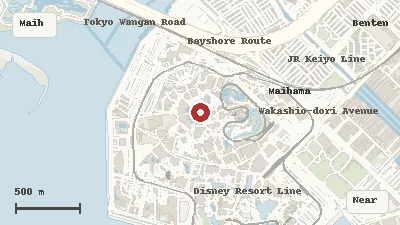
Cinderella Castle anchors Tokyo Disneyland's classic Disney setting in Maihama. Covered World Bazaar, themed lands, attractions and parades give the day a different shape from neighboring DisneySea. Decide which rides and entertainment matter most, then check the park's current schedule and app services before arranging the rest of your day.

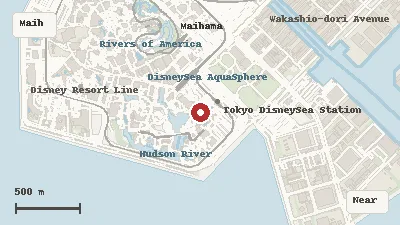
Tokyo DisneySea is arranged around imagined ports and maritime settings, from Mediterranean Harbor to the volcanic landscape of Mysterious Island. Its waterfronts and detailed environments reward time between attractions as well as time on rides. Treat it as its own park day and check the current attraction and entertainment program before choosing priorities.

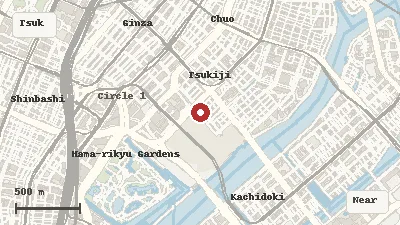
Tsukiji Outer Market is the food-shopping district that remains at Tsukiji after the wholesale market's move to Toyosu. Its lanes bring together seafood, dried ingredients, kitchenware and places to eat. Browse the specialist shops as well as the restaurant counters, and check individual opening days before making a particular business the reason for your trip.
Walk beneath Meiji Jingu’s trees towards the shrine, experiencing a deliberately planted memorial forest alongside a living place of Shinto worship.
Step into teamLab Planets’ water, light and reflective environments in Toyosu, where your movement becomes part of the changing artwork.
Explore Yokohama Chinatown through regional cooking, colourful gates and community temples, leaving time for the quieter streets between its busy dining routes.
Walk around Yokohama’s brick port warehouses, then explore the shops, food and cultural spaces adapted within their historic industrial shells.
Move between Shinjuku Gyoen’s open lawns, formal garden and pond-side paths, with greenhouse collections and historic buildings adding variety to the walk.

Ueno Zoo divides its grounds into East and West gardens within Ueno Park. That layout makes it worth choosing the sections you most want to explore before adding other park stops. The surrounding museum district lets a Tokyo day combine animal exhibits with a separate cultural visit, without treating the zoo as a quick detour.
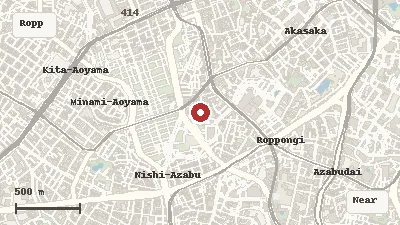
Explore Roppongi Hills at street level, then choose an exhibition, a meal or Tokyo City View to give the visit a more focused destination.
Browse Tokyo Solamachi beneath Skytree for food gifts, character goods and restaurants, using the floor guide to focus a visit through the large complex.
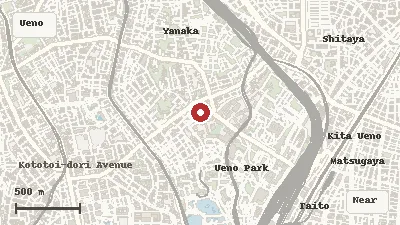
Link Ueno’s museums with a walk through the park’s historic sites and down towards Shinobazu Pond, choosing a few stops rather than rushing every institution.
Explore Nikkō Tōshōgū’s richly decorated buildings, from Yōmeimon’s crowded carvings to the familiar monkeys and sleeping cat within the shrine complex.
See Kamakura’s Great Buddha at Kōtoku-in, where the open-air setting makes the sculpture’s scale, form and weathered surface unusually direct.
Explore DiverCity’s Odaiba shopping and entertainment, while noting that the outdoor Unicorn Gundam exhibition has ended and its old show schedules no longer apply.
Explore Landmark Tower’s shopping and dockyard setting in Minato Mirai; its Sky Garden observation floor is currently closed for refurbishment.
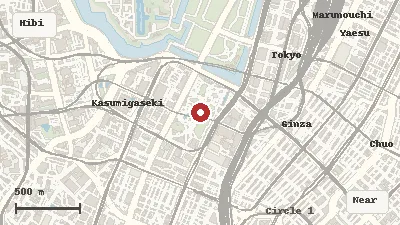
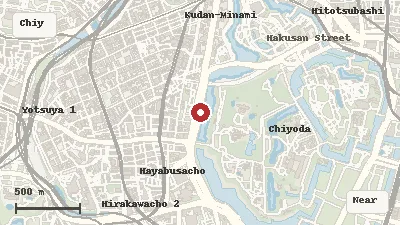
Read Tokyo's castle past in its moats and walls, then choose an East Gardens walk or an authorized palace tour.
Choose a few galleries and look closely at the objects behind Japan's artistic, religious and historical traditions.
Follow moving light through a museum whose artworks cross rooms and change the route you thought you knew.
Trace Japan's natural history, then widen the view to evolution, the planet and the development of technology.
Follow Kamakura's shrine approach from the ponds to the great stair, with the Minamoto story close at hand.
Leave the shopping streets for open lawns, tree-lined paths and a slower stretch of Harajuku's neighborhood.
See Shibuya's crossings and railways spread into the city from an indoor gallery and weather-dependent rooftop.
Find an active neighborhood shrine where Edo traditions and Akihabara's contemporary culture share the grounds.
Pause beside Shibuya's famous meeting point and the story of the dog remembered there.
Choose a season, check the growing conditions and leave room to explore beyond Miharashi Hill's famous flower views.
Browse the fish counters, compare seafood menus and make lunch the center of a Nakaminato port visit.
Follow Yokohama's harbor edge, pausing at monuments that connect a gentle park walk with the city's past.

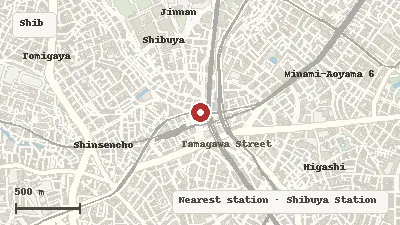
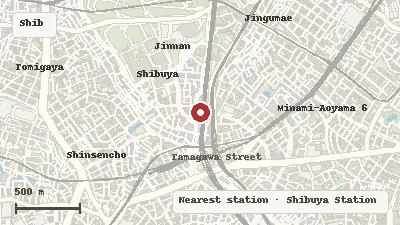
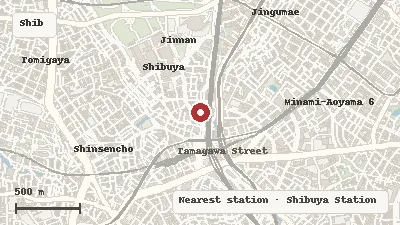
Outside Shibuya Station, pedestrians cross from several directions during the same signal phase at Shibuya Scramble Crossing. The surrounding screens and converging streets make the intersection part of the experience of Shibuya itself. Treat the crossing as a short stop within a wider neighborhood walk, keeping the pedestrian routes clear while taking photographs.
See how a garden changes with the season, from expansive wisteria canopies to carefully arranged evening lights.

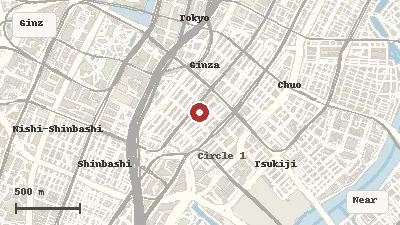
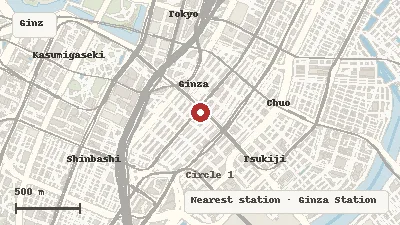
GINZA SIX combines luxury retail with contemporary art, dining and a rooftop garden on Ginza's Chuo-dori. The Kanze Noh Theatre adds a separate performing-arts destination within the complex. Decide whether your visit is for shopping, the building's public spaces or a performance, since each calls for a different plan.
Read Odawara's castle history in its defenses, reconstructed gates and museum keep above the town.
Look up through the Forum's glass atrium and study the structure of one of central Tokyo's striking public spaces.

Samurai Ninja Museum Asakusa Tokyo combines guided warrior-history displays with interactive activities in Nishiasakusa. It is a modern visitor experience rather than a historic warrior compound. Pair it with the wider Asakusa area, and check the exact activity package when choosing between a museum introduction and a more specialized session.
See how Lake Chuzenji's water leaves the plateau, from an upper view or the lower observation area.
Approach Yasukuni with attention to its religious role, commemorative purpose and the perspective presented by its museum.
Trace instant noodles from a small work shed to familiar packages, with optional making activities to book into the visit.
Follow Narita's temple approach into a living pilgrimage complex centered on devotion to Fudo Myoo.

The National Art Center, Tokyo pairs Kisho Kurokawa's sweeping glass architecture with changing exhibitions in Roppongi. It has no permanent collection, so the exhibition calendar is central to deciding when and why to visit. Choose a show that interests you, then leave time to appreciate the building as a separate part of the experience.
Step into Ghibli's world of animation craft, original short films and architectural surprises in Mitaka.
Choose a bayfront walk, birdwatching or a separate attraction at one of eastern Tokyo's broad coastal parks.

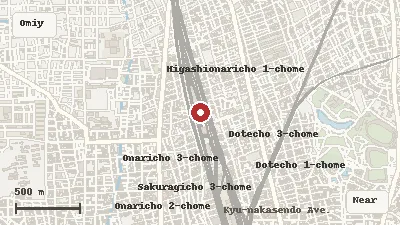
The Railway Museum in Omiya places historic rolling stock alongside displays about railway science and the people who operate the network. The vehicles give the visit its scale, while the work and technology galleries explain what keeps trains running. Choose a balance between looking at trains and exploring the systems behind them.

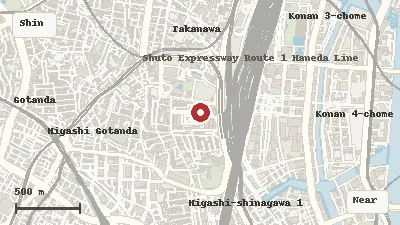
Maxell Aqua Park Shinagawa combines aquarium exhibits with light, sound and staged presentations in the Shinagawa Prince Hotel area. Jellyfish displays and the circular dolphin arena shape an experience that differs from a straightforward sequence of tanks. Check the presentation schedule before choosing how to divide your time inside.
Explore the steaming Yubatake and choose a bathhouse for a visit to the hot-spring town of Kusatsu.
Look beyond the counters at Nihombashi Mitsukoshi's entrance lions, central hall and department-store heritage.

Warner Bros. Studio Tour Tokyo explores the craft behind Harry Potter through sets, props, costumes and screen effects. Large environments let visitors examine details that pass quickly in a film, while production displays explain how those worlds were made. Set aside time for looking closely as well as photographs, and check admission arrangements when planning the Toshimaen visit.
Use Miraikan's science exhibits and globe-shaped Geo-Cosmos to explore questions about Earth and our shared future.
Compare ramen styles in a recreated 1958 streetscape, with food history alongside the bowls.
Climb Hase-dera's garden terraces to the Kannon hall and sea-facing outlook.

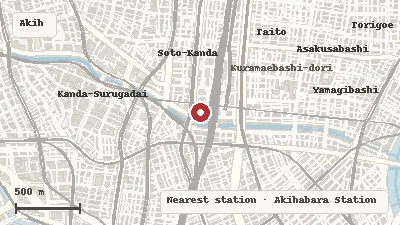
Heaven's Gate gives maidreamin's Akihabara restaurant format a strong stage-performance focus. Costumed service, themed food and live entertainment form a participatory café visit, with the branch's event calendar shaping what is on offer. Read the menu and entertainment options before choosing a package so the visit matches the experience you want.

Nakamise-dori forms the shopping approach from Kaminarimon toward Sensō-ji in Asakusa. Small storefronts offer sweets, souvenirs and crafts along the route, making the temple approach a browse in its own right. Allow room for both shoppers and people heading to the temple, and distinguish a daytime shopping visit from a walk after individual stores have closed.
Arrive over the hills by gondola, then choose between Bandit and gentler rides.
Walk Odaiba's sandy bayfront for views of Rainbow Bridge and central Tokyo.
Pick a gate for Showa Kinen Park's lawns, gardens and shifting flower displays.

Hibiya Park layers formal flower beds and tree-lined paths over a site with surviving Edo Castle stonework. The contrast between landscaped public space and the surrounding government and business districts gives a central-Tokyo walk historical depth. Consult the park's current access notices when choosing a route, since renewal work can restrict parts of the grounds.

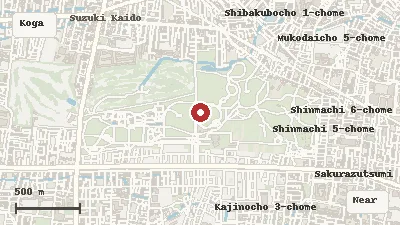
Shiba Park's green spaces spread around Zōjō-ji and the approaches to Tokyo Tower. Paths, lawns and older historic features sit among roads and temple grounds, so the park is best explored as several connected sections. Choose a route through the sections that interest you, with separate time for a temple visit or tower admission.
Drive a guided public-road kart route from Street Kart's Tokyo Bay branch.
Learn about Sagami's Samukawa Shrine and its happō-yoke prayer tradition.

Tokyo Metropolitan Art Museum combines changing exhibitions with Kunio Maekawa's brick-toned architecture in Ueno Park. Sunken courts and galleries give the building a quieter scale than its busy surroundings suggest. Start with the exhibition calendar, then allow time to explore the architecture as part of the visit rather than moving straight from one show to the next.

Tower Records Shibuya is a multi-floor music shop where physical recordings, artist displays and staff recommendations invite unhurried browsing. Moving between genres offers a different view of Japan's music market from an online catalog. Check the store's current listings if a particular release, campaign or in-store event is the reason for your visit.
Explore Kashima Jingū's wooded precinct and Takemikazuchi traditions.
See Fukuroda's four-tiered cascade from lower and upper viewing platforms.
Step from Maihama Station into Ikspiari's shops, restaurants and cinema.
Find postwar Shinjuku's tiny food lanes a short walk from the station.
Look up at Ushiku's immense Buddha, then explore its interior and grounds.

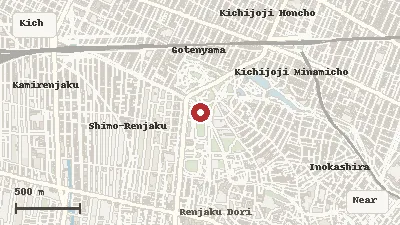
Inokashira Park gathers wooded paths and waterside scenery around its pond near Kichijoji. Bridges and the Benzaiten shrine create changing viewpoints on a walk, while the larger grounds extend toward the Mitaka side. Use the pond as a starting point, then choose whether to stay beside the water or explore farther through the trees.

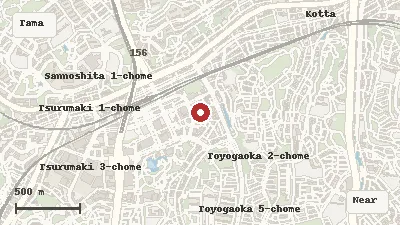
Sanrio Puroland turns Hello Kitty and other Sanrio characters into indoor rides, theatrical spaces and live entertainment in Tama City. The scenery and performances shape the visit as much as the attractions themselves. Choose priorities from the current program before traveling to Tama-Center, particularly if a specific show or character experience is central to your day.
Follow Kawasaki Daishi's temple approach and its Kōbō Daishi tradition.
Climb through Hie Shrine's torii to a Tokugawa-linked Tokyo precinct.
Search Nakano Broadway's upper floors for manga, figures and niche finds.

Tokyo Dome City Attractions weaves amusement rides into the shops, restaurants and pedestrian spaces around Tokyo Dome. The Big O Ferris wheel and Thunder Dolphin coaster make the setting recognizable even from outside the rides. The open layout suits a visit built around selected attractions; check their operating status and requirements before deciding which to include.
Walk through reconstructed Edo and follow the city's transformation into Tokyo.
See Tokugawa temple history beneath Tokyo Tower at Zōjō-ji.
Follow Katori Jingū's wooded approach and Futsunushi traditions.
See Tenjin study prayers and plum traditions at Yushima Tenmangū.
Browse knives, tableware and replica food along Kappabashi's kitchen street.
Watch penguins and jellyfish inside Tokyo Skytree's Sumida Aquarium.
Find Ise-linked worship and marriage prayers at Tokyo Daijingū.
Book a timed micro-pig encounter at mipig cafe Harajuku.
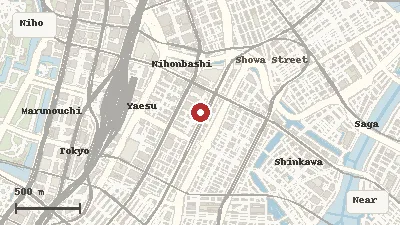
Browse official character shops beneath Tokyo Station's Yaesu side.

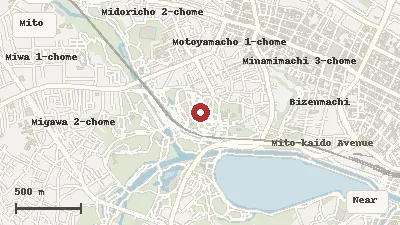
Kairakuen in Mito reflects Tokugawa Nariaki's idea that study and recreation should complement one another. Plum trees give the garden its best-known seasonal identity, but its paths also invite a broader look at the landscape created for the Mito domain. Consider the garden and Kōbuntei as related parts of a visit, checking their separate entry arrangements.
Descend beneath the glass dome into Tokyo Sea Life Park's marine exhibits.
Walk through Tomioka's 1872 silk-reeling factory buildings.
See Gōtoku-ji's beckoning-cat offerings in a working temple precinct.
See Ōarai's sea-facing torii and coastal shrine tradition.
Watch Sky Penguins swim overhead at Ikebukuro's rooftop aquarium.

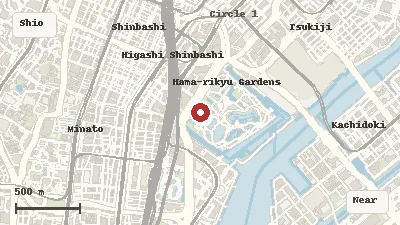
At Hamarikyu Gardens, a tidal pond carries the waterfront character of old Edo into the modern Shiodome district. Curving shores, bridges and teahouse scenery unfold beneath the surrounding office towers. Follow the paths around the water to see how a former Tokugawa garden uses changing viewpoints and water levels as part of its design.
Descend Yūyake Dandan into Yanaka Ginza's neighborhood shops.
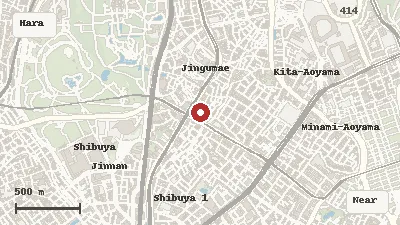
SHIBUYA109 gathers youth-fashion retailers inside the cylindrical landmark near Shibuya's main crossing. Clothing, accessories and store displays give a concentrated view of the district's fashion retail, with the mix evolving as styles change. Browse several floors to compare the shops, checking the current directory if a particular brand is your priority.

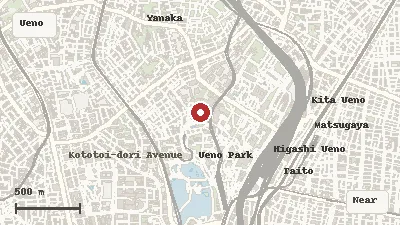
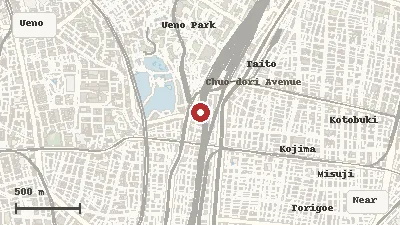
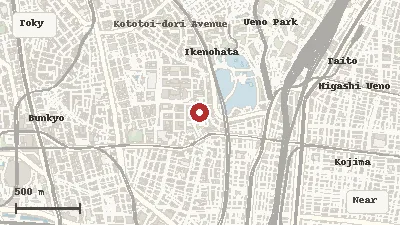
Ameyoko follows the railway between Ueno and Okachimachi through a dense mix of food stalls, clothing shops and specialist retailers. The market's postwar origins help explain its compact, improvised feel beneath and beside the tracks. Browse the changing mix of goods and side passages, leaving time to compare individual shops rather than expecting a single market hall.
Ride Cosmo Clock 21 beside Yokohama's waterfront.
See live kabuki at Ginza's landmark Kabuki-za Theatre.
Cross Kameido Tenjin's bridges beneath seasonal wisteria trellises.
Try maidreamin's themed cafe service at its Shibuya branch.

The National Museum of Western Art pairs European painting and sculpture with Le Corbusier's Main Building in Ueno Park. The Matsukata Collection lies at the institution's origin, while later additions broaden the art on display. Explore the collection and the architecture together, noticing how the central hall and gallery arrangement shape the way works are encountered.
Hear Kawagoe's time bell among the old merchant streets.

Rikugien turns references from classical poetry into a landscape of ponds, artificial hills, bridges and named viewpoints. Following the paths reveals scenes in sequence, with trees and rising ground screening parts of the surrounding city. Take time to look back as well as forward: the same water and planting can form a different composition from the next bend.

Omiya Park extends the green setting of Hikawa Shrine into ponds, cherry trees and public recreation grounds. The small zoo and sports facilities reveal how the park has accumulated different uses over its long history. Choose a walk around the older planted areas, then add the shrine approach or another park section according to your interests.
Jingū Gaien's ginkgo avenue turns gold in late autumn.
Taste Kawagoe's confectionery tradition along Kashiya Yokocho.
Follow the long tree-lined approach to Ōmiya's Hikawa Shrine.
Daikanyama T-SITE turns book browsing into an architectural stop.

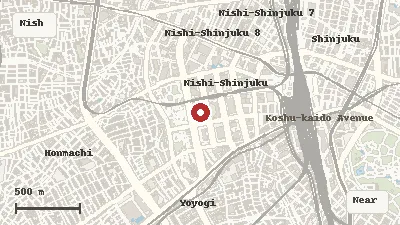
Shinjuku Central Park places trees, lawns and public plazas among the towers of Nishi-Shinjuku. Its position beside the metropolitan government complex makes the surrounding skyline a constant part of the walk. Follow the open paths through the park's different sections, checking current notices before planning around a particular water feature or recreation area.
See a scheduled grand sumo tournament at Ryōgoku Kokugikan.
Circle Ueno's Shinobazu Pond past lotus beds and Bentendō.

The Fujiko F. Fujio Museum in Kawasaki centers on original manga artwork and the creative world of Doraemon's creator. Manuscripts and study-related displays reveal the drawing and storytelling behind familiar characters, while playful spaces extend the visit beyond the exhibition rooms. Check admission arrangements in advance and leave time to appreciate the artwork closely.

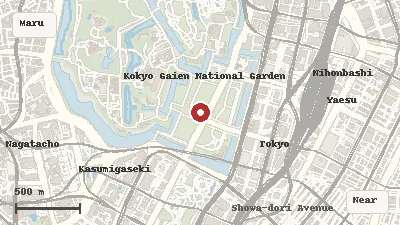
Kokyo Gaien's open plaza, black pines and moat-side views frame the outer edge of Tokyo's Imperial Palace. Stone walls, gates and the Nijubashi area help reveal the scale of the former Edo Castle landscape. Explore the public outer grounds as their own walk, keeping palace tours and other separately managed areas distinct from this garden visit.
See Inubōsaki's white lighthouse on the Chōshi headland.
Ikebukuro PARCO mixes fashion, food and rotating pop-culture retail by the station.
Follow Shibamata's shop street to Taishakuten's carved halls.
Explore the wooded animal habitats of Tama Zoological Park.
Rent a kimono at VASARA Asakusa for a planned district walk.
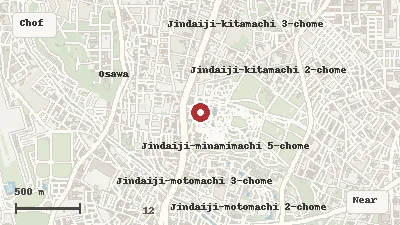
Visit Chōfu's Jindai-ji through wooded paths and soba-shop lanes.

Sankeien Garden in Yokohama brings historic buildings relocated from different parts of Japan into a landscape assembled by silk entrepreneur Hara Sankei. Paths connect architectural views with the planted grounds, allowing the buildings to be experienced as part of a larger composition. Look at their individual origins as well as the way they sit within the garden.

Shinagawa Aquarium sits within Shinagawa Kumin Park in Katsushima, with a tunnel tank and exhibits connected to marine and coastal life. The park setting gives the visit an outdoor counterpart before or after the galleries. Check the Katsushima location carefully when planning transport, since this is a different attraction from Aqua Park near Shinagawa Station.
Department-store floors, specialty tenants and dining beside Shinjuku Station.

The Tokyo Metropolitan Government Building Observatories look across Shinjuku's towers and the wider city from a working civic complex. Clear conditions may reveal distant mountains, including Mount Fuji, while the closer urban landscape gives plenty to examine on its own. Consult the official north and south observatory calendars before choosing your visit, since their access arrangements can differ.
Ito Chuta's 1934 Tsukiji Hongwanji hall, with stained glass and sculptural detail.

Koganei Park spreads lawns, cherry planting and recreation areas across a large part of western Tokyo. The Edo-Tokyo Open Air Architectural Museum occupies one section, adding preserved buildings to a landscape better known for outdoor activity. Choose a park circuit that suits your time and arrange museum admission separately if architectural history is part of the visit.

Komazawa Olympic Park keeps the architecture of Tokyo's 1964 Games within a working sports landscape. Stadiums and the central plaza stand beside running routes, trees and neighborhood recreation areas. A walk here is a chance to see how facilities built for an international event became places used by local residents long after the competitions ended.
Period-style streets, performances and participatory Edo-themed experiences near Nikko.
Hokusai's work and his Sumida roots explored in a museum at Ryogoku.
Mori Art Museum presents contemporary art high inside Roppongi Hills Mori Tower. Its changing exhibitions often extend into architecture, design and questions about contemporary society, making the program the main reason to choose a visit. Check exhibition dates and ticket availability first, and treat any Tokyo City View observatory visit as a separate planning decision.

Jindai Botanical Gardens organizes roses, plum trees, greenhouse plants and other collections into a substantial garden visit in Chofu. The changing planting gives different parts of the grounds their moment through the year, while the greenhouse adds another climate and scale. Pair selected collections with the neighboring Jindaiji district if you want to combine plants and temple surroundings.

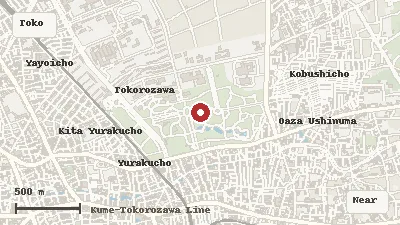
Tokorozawa Aviation Memorial Park occupies the site of Japan's first airfield, turning aviation history into a landscape of aircraft displays and public green space. The open grounds allow a park walk to include reminders of early flight. Check the aviation museum's separate calendar if you want to extend the visit from outdoor exhibits to its indoor collection.

MOMAT traces modern Japanese art through changing selections from its collection near Tokyo's Takebashi moat. Painting, sculpture and other media reveal different responses to the country's social and artistic changes. Start with the current collection display or a special exhibition, leaving enough time to follow the historical connections between works across the galleries.
Station-side retail, dining and rotating specialty tenants at Urawa PARCO.
Japanese and East Asian art galleries opening onto a landscaped Aoyama garden.

Chiba Zoological Park spreads animal exhibits across distinct zones for primates, grassland species and smaller mammals. Its size encourages choosing a route with time for observation rather than moving quickly between every enclosure. The zoo's broader collection and educational focus make it a substantial outing, with the day's animal availability best checked through current notices.
See Kita-in's Tokugawa-linked rooms and stone rakan in Kawagoe.
Bathe outdoors above Kusatsu's steaming Sainokawara valley.
Soak at Tenzan's wooded day-use baths in Oku-Yumoto.

Koishikawa Korakuen combines Japanese scenic references with Chinese-inspired landscape ideas in a former Mito Tokugawa garden. Ponds, bridges and miniature landscape features create a sequence of views within central Tokyo. Follow the names and shapes of those features as you walk to see how the garden evokes places beyond its own boundaries.

Kyu-Furukawa Gardens moves from a Western-style house and formal rose terraces into a Japanese garden below. The slope makes the transition between the two landscapes physically clear, with different planting and viewpoints at each level. Explore both parts of the grounds, checking the residence's separate arrangements if you also want to see inside.
Try Fuunji's rich tsukemen near Shinjuku's south side.
Soak at Hakone Yuryo's day-use baths near Hakone-Yumoto.
Follow Hodosan Shrine's wooded approach in Nagatoro.
Climb Ikaho's 365 stone steps through the onsen town.
See Fukagawa's Hachiman shrine and sumo monuments.
Walk through relocated Tokyo buildings at the open-air museum.
Experience Fukagawa Fudō-dō's active Fudō worship in Tokyo.
Walk Gora Park's terraces, fountain and seasonal plantings.
Choose a Takao trail or lift route for mountain views near Tokyo.
Walk Nagatoro's layered river rock beside the Arakawa.
See Pola Museum's art and wooded trail in Hakone.
Compare ramen shops beneath Tokyo Station at Ramen Street.
Browse Tower Records Shinjuku near the station.

Kiyosumi Gardens arranges a pond, carefully placed stones and planted islands into a landscape shaped during the Iwasaki family's ownership. Stones gathered from different parts of Japan give the paths and waterside a distinctive material character. Follow the pond circuit slowly to notice changes in composition, keeping this enclosed garden distinct from the neighboring public park.
Nintendo TOKYO brings the game company's characters and products into an official shop in Shibuya PARCO. Games, hardware and character merchandise make the visit as much about browsing familiar worlds as buying a particular item. Check current stock or entry guidance for a specific release, and treat special displays and campaigns as changing parts of the store.
Watch Ninja + Kabuki Tokyo's staged Shinjuku show.
Rent a kimono near Asakusa Station at Miyabi's branch.
Rent a kimono at VASARA's Ginza 3-chome branch.

Happo-en is a landscaped garden in Tokyo’s Shirokanedai area, combining seasonal planting, a pond and traditional garden spaces within a private hospitality and event property.

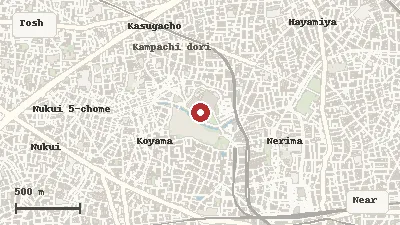
Komayama Park, also known as Shonandaira, occupies a low hill above Oiso with forest paths, traces of older temple use and broad views toward the coast and surrounding plain.
Circle Shakujii Park's ponds and wooded paths.
Walk Setagaya's reopened Todoroki riverside path.
Laforet Harajuku brings fashion shops into a compact building whose split-level floors encourage browsing between different labels and styles. Its role in Harajuku's fashion culture extends beyond a single brand, while the upper-floor museum space hosts changing programs. Visit for the current retail mix and check the exhibition schedule if that is part of your interest.

Honda Collection Hall at Mobility Resort Motegi brings motorcycles, road cars and competition machines into a story of Honda's engineering development. Seeing different vehicle types together reveals links between everyday mobility and racing. Follow the collection's historical sequence while allowing for changing displays, and plan the museum within the wider Motegi site's access arrangements.

Amabiki Kannon climbs the slope of Mount Amabiki in Ibaraki, where temple tradition dates the site to 587 and the approach is marked by 145 stone steps and free-roaming peacocks and chickens.

Asakusa Culture Tourist Information Center is a visitor-information hub opposite the Sensō-ji approach, with upper-floor views that help orient the dense streets and landmarks of Asakusa.

Hitsujiyama Park’s Shibazakura Hill covers roughly 17,600 square meters with more than 400,000 moss-phlox plants, creating bands of pink, white and purple below Mount Bukō in spring.
Inubosaki is an exposed Pacific cape at Choshi where sea walls, fishing homes and narrow lanes extend the experience beyond the better-known lighthouse and main ocean viewpoint.
Kannonzaki Park layers wooded coastal trails, sea cliffs and lighthouse viewpoints with surviving military batteries, showing how the entrance to Tokyo Bay was both landscape and defense corridor.

Kitanomaru Park occupies the northern bailey of former Edo Castle beside the Imperial Palace, preserving original gates within a public green space that now also contains major cultural venues.

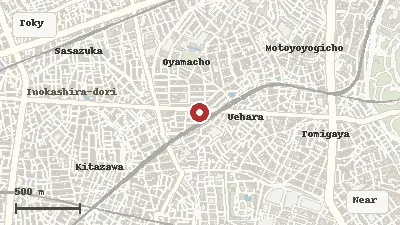
Tokyo Camii and its Turkish Culture Center bring an Ottoman-style mosque and active Islamic cultural institution to Yoyogi-Uehara, creating a distinctive religious space in central Tokyo.

NISSAN CROSSING brings Nissan's vehicles and mobility ideas into a showroom setting in Ginza. The displayed cars and presentations change, making it a place to see the brand's current direction rather than a fixed historical collection. Check the present lineup if you have a specific model in mind, or include it as a short design-focused stop while exploring the district.

Super Potato Akihabara fills a specialist retro-game shop with used hardware, cartridges, boxed games and related collectibles. Browsing the shelves reveals how Japanese game packaging and consoles changed across generations. Treat it as an active retailer with variable stock, and check condition, language and hardware compatibility carefully if a particular game or console is the reason for visiting.

Negishi Forest Park occupies the landscape of Yokohama's former Negishi Racecourse. Broad rolling lawns and wooded edges make the old sporting ground useful for an unhurried walk today. Traces of the racecourse give the open space a particular history, although access around surviving structures may be restricted; follow the current park guidance rather than assuming those areas are open.

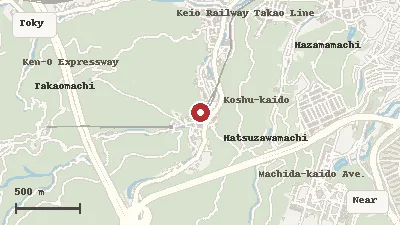
Keio Takaosan Onsen Gokurakuyu is a dedicated hot-spring bathing facility beside Takaosanguchi Station, making it a practical onsen stop at the base of Mount Takao after a mountain visit.
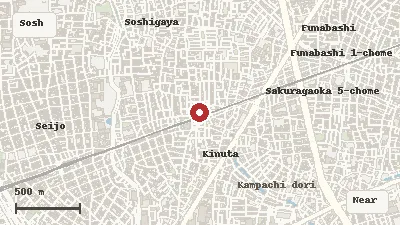
Kinuta Park is a large metropolitan park in Setagaya with broad lawns, mature trees, sports areas and the Setagaya Art Museum distributed across a gently rolling, open landscape.

Kyu-Iwasaki-tei preserves part of the former Tokyo estate of the Iwasaki family, pairing a Western-style mansion with a connected Japanese residence and landscaped garden grounds.
Sugamo Jizo-dori is a roughly 780-meter shopping street on the former Nakasendo route, where Koganji temple, health-related devotion and around 200 local businesses shape the district.

Pokémon Cafe TOKYO makes a meal part of a visit to Nihombashi, serving character-themed dishes and drinks inside Takashimaya's East Building. The setting combines playful food presentation with café merchandise. Advance reservations are required, and the current menu determines which Pokémon-inspired creations you can order.
Tokyu Kabukicho Tower stacks entertainment venues, dining and hotels above Shinjuku's Kabukicho district. Cinema, theater, live performance and arcade spaces give different floors distinct reasons to visit. Choose a venue or program first and check its own access and ticketing, since entering the complex does not provide access to every activity inside.

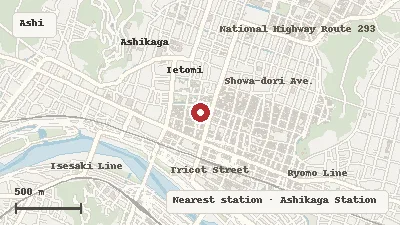
Ashikaga School preserves the setting of a historic center of learning associated with Chinese classics and Confucian study. Restored buildings and gardens help visitors picture its scholarly life, while the site's long history includes uncertainty about its earliest foundation. Read the present complex as a carefully interpreted historic place and combine it with the nearby old-town surroundings.

Chiba Park brings Watauchi Pond, open lawns and seasonal planting close to the city's central transport district. Its Oga lotus collection connects the landscape with plants revived from ancient seeds, giving the summer flowers a story beyond their appearance. Plan around the actual flowering season if lotus is the priority; the pond and wider park remain the basis of the walk.
Choose a kimono rental at VASARA's Shibuya branch.
Mix Kichijoji shopping with pop-ups, food and cinema.

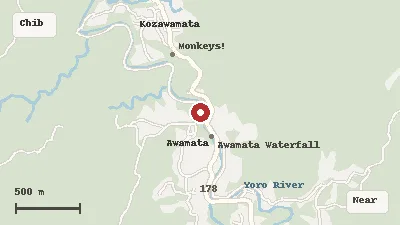
Awamata Falls is the largest waterfall in Chiba's Yoro Valley, spreading across a long sloping rock face rather than dropping in a single vertical plunge beside a riverside walking route.

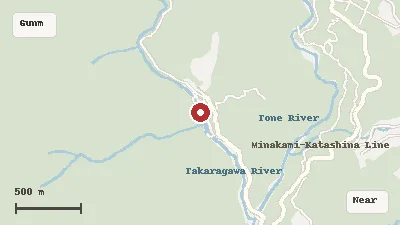
Takaragawa Onsen Osenkaku is a Minakami hot-spring property known for large outdoor baths set beside a river, where natural boulders and surrounding greenery shape the bathing setting.

Toshimaen Niwa-no-yu is a day-use hot-spring complex near Toshimaen Station with indoor and outdoor baths, saunas and a garden bathing area designed for use in swimwear.

Banna-ji Temple occupies the former Ashikaga clan residence, whose moat and earthen banks still outline the precinct. Within that fortified setting stands a main hall designated a National Treasure. The combination makes this central Ashikaga temple a place to see how a warrior family's residence developed into a religious site.

Chidorigafuchi Park offers a green walking strip beside the Imperial Palace's western moats, near Hanzomon. Cherry trees give the park a seasonal focus, while water and castle defenses provide interest beyond spring. This park is a distinct part of the wider Chidorigafuchi area, separate from the northern greenway and boat landing.

Mitsuike Park is shaped around three former irrigation ponds in Yokohama's Tsurumi district. Wooded slopes, waterside paths and a varied collection of cherry trees give the grounds a changing spring display. Play areas and the Korean garden add other reasons to explore beyond the blossom season.
Rent kimono near Senso-ji from wargo's Asakusa branch.
Browse Kotobukiya figures and character goods in Akihabara.
Dress for an Asakusa walk close to Kaminarimon.
Kirby Cafe TOKYO turns a meal at Tokyo Skytree Town Solamachi into a visit to Kirby's game world. Character-themed dishes, tableware and décor form the attraction, with menu offerings changing over time. The Tokyo branch is in Solamachi's East Yard, and its reservation service requires an account.

FINAL FANTASY EORZEA CAFE Akihabara brings the world of Final Fantasy XIV into a themed dining space. Food, drinks and décor draw on the game, giving familiar characters and settings a place at the table. Its location inside Pasela's Akihabara complex makes it a focused stop during a day of game and hobby browsing.

HMV&BOOKS SHIBUYA combines music, screen entertainment and books inside Shibuya modi. Its retail floors also host changing promotions and events, so a visit can be shaped by a release or artist you follow. This is the broad entertainment store in modi, distinct from HMV's separate record-shop format elsewhere in Shibuya.
Rent kimono for Akihabara and Kanda Myojin from VASARA Higashikanda.
Rent kimono near Asakusa Station for a Senso-ji walk.
Change into kimono near Kawagoe Station before exploring Little Edo.

Hareruya 2 Akihabara Tower devotes an entire building to Pokémon cards, combining sales, buying services and a substantial play area. The range includes individual cards, older Japanese releases and accessories, giving collectors more to inspect than sealed packs alone. Players can also look for scheduled events and beginner guidance.
KAMEN RIDER THE DINER in Ikebukuro combines a meal with displays celebrating the long-running Kamen Rider series. Character statues, figures and themed dishes make franchise references part of the dining experience. Menus and campaigns change, so the active lineup is the best guide to which Riders feature during your visit.
Browse official Jump character goods inside Tokyo Solamachi.
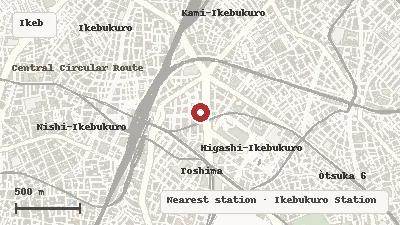
Karaoke Pasela Ikebukuro Honten offers private-room karaoke with food and drink near Ikebukuro Station's west side. The branch pairs singing with a resort-inspired interior and rooms suited to different group sizes. It can serve as a planned group activity rather than just a place to fill time after shopping.
Begin an Asakusa kimono day from Aiwafuku's Hanakawado main shop.
In Inagi / Yomiuriland, A Pokémon-focused area inside Yomiuriland combining Pokémon Forest, Sedge Town, shows.
An intimate Azabu-Juban cocktail bar known for Yuzo Komai’s performance-minded mixology.
Takadanobaba: Hareruya's flagship Magic: The Gathering tournament center with a very large play space.
Kotobukiya's directly operated main store in Tachikawa, carrying figures.
Shibuya / Udagawacho: A vinyl-focused HMV record shop in Udagawacho, an area once synonymous with Shibuya record.
Shueisha’s permanent JUMP SHOP in Tokyo Dome City, with official goods from current and legacy Jump properties.
Permanent Shueisha JUMP SHOP on Tokyo Character Street B1F inside First Avenue Tokyo Station.

Yellow Submarine Akihabara Main Store ★ Mint brings tabletop games and character hobbies together inside Radio Kaikan. The branch stocks trading cards, board games, role-playing material, dice, models and hobby supplies. Its mix makes it useful for comparing different interests within one shopping stop, while specialist services vary by product category.
Find tabletop RPGs, board games and play space at this Akihabara branch.
A central Kabukicho/Yasukuni-dori Pasela branch with private rooms, late-night operation in Shinjuku / Kabukicho.
MAG8 Crossing View & Rooftop Lounge offers an elevated look directly over Shibuya Scramble Crossing from MAGNET by SHIBUYA109. The attraction is the movement below: pedestrians, traffic and surrounding signs share a compact urban scene. Its relatively close perspective gives the crossing itself more emphasis than a distant city panorama.
A permanent Shinjuku character café with separate dining, takeaway and merchandise options.
A second-floor Super Potato branch in Higashi-Ikebukuro carrying retro through current game.
Harajuku brings together Tokyo’s youth-fashion streets, specialist boutiques and conspicuous sweet shops in a compact area east of the station. Takeshita Street supplies the bustle; Laforet, Cat Street and the Jingūmae side streets reveal different approaches to dress, from elaborate subculture looks to casual everyday style.
DRAGON BALL STORE TOKYO brings official Dragon Ball merchandise and themed interior displays into First Avenue Tokyo Station. The shop offers a concentrated franchise stop alongside a rail journey or a wider station-shopping visit. Exclusive goods are part of its identity, although availability and purchase conditions depend on the current release.

The Ultraman Shopping District spreads through the everyday streets around Soshigaya-Okura Station. Hero statues, themed streetlights and character details celebrate the area’s connection with Tsuburaya Productions, turning a neighbourhood walk into a trail of tokusatsu references among local shops and places to eat.
Shueisha’s official Jump character-goods branch inside Ikebukuro PARCO Main Building.
KAMEN RIDER STORE TOKYO is a dedicated franchise shop beneath Tokyo Station, on Tokyo Character Street. Merchandise draws on the Shōwa, Heisei and Reiwa generations, while digital displays bring successive Riders into the retail space. It is an easy stop for collectors or fans choosing a character souvenir.
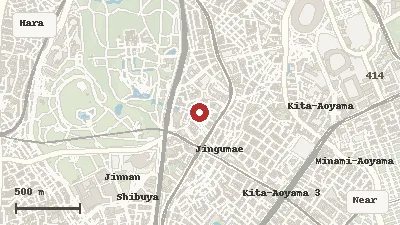
The Harajuku flagship of BABY, THE STARS SHINE BRIGHT in Harajuku / Jingumae.
Bandai Namco Cross Store Tokyo brings character retail and changing entertainment programs together inside Ikebukuro's Sunshine City. The store's different areas make it a place to browse several interests in one visit, while temporary collaborations add a reason to return. The Tokyo branch is in the World Import Mart building.
A Bandai Namco character and gaming hub inside Atre Akihabara.
A late-opening Hareruya 2 annex beside its Akihabara trading-card cluster.
An Ikebukuro Pokémon-card specialist store with a large free play space.
Shueisha’s official Jump character-goods store on the sixth floor of Shibuya PARCO at 15-1.
Find the Harajuku branch on Laforet’s fifth floor.
Angelic Pretty Harajuku presents the label’s elaborate sweet-Lolita style inside Laforet Harajuku. Dresses, decorative prints and coordinated accessories make the boutique a focused place to explore its storybook aesthetic, with each collection bringing a different combination of colours, motifs, lace and ribbons.

CAPCOM CAFE Ikebukuro turns a changing selection of games and characters into themed meals, drinks and merchandise. Its Grandscape Ikebukuro branch is defined by rotating collaborations, so the featured world and menu can look quite different from one visit to the next.
In Odaiba / Aomi, toho's official Godzilla Store branch at DiverCity Tokyo Plaza.
An Asakusa specialist for chanoyu utensils, flower vessels, tea-room equipment.
Find LIZ LISA on SHIBUYA109’s sixth floor in Shibuya.
An official Ultraman store inside Tokyo Skytree Town Solamachi; a stop in Oshiage / Tokyo Skytree.
The Harajuku directly-managed shop for Metamorphose temps de fille.
Angelic Pretty's Shibuya PARCO boutique, pairing Lolita fashion with a major pop-culture complex.
A Bandai Namco Cross Store branch directly beside Shibuya Station.
Capcom's official Ikebukuro store inside Ikebukuro PARCO.

Closet Child Harajuku specialises in secondhand Lolita, gothic, punk and related Japanese fashion. Its two floors in the Maruichi Harajuku Building separate sweet and classical labels from a broader mix of darker and designer styles, with the selection changing as garments are bought and sold.
A combined BABY and ALICE and the PIRATES boutique in Ikebukuro P'PARCO.
Yellow Submarine's Ikebukuro game branch, close to the district's wider anime and card-shop.
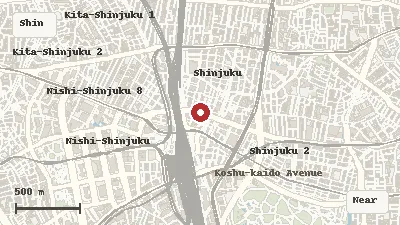
A Shinjuku branch of the influential Lolita fashion label Angelic Pretty.
A specialist second-hand Lolita, gothic and punk fashion shop in Shinjuku in Nishi-Shinjuku.
A specialist HMV vinyl shop in Shinjuku Marui's main building.
Find LIZ LISA on Lumine EST Shinjuku’s second floor.
A central Shinjuku Yellow Submarine branch for cards, hobby games and related collectibles.
A dedicated Hareruya 2 Pokémon-card store in Takadanobaba.
One of the chain’s largest trading-card locations and sits within Tokyo’s most concentrated in Akihabara.
The chain's Higashi-Ikebukuro trading-card branch, located on the third floor of Baroque Court.
The chain's Nishi-Kamata trading-card branch, located in the basement level of Casa Kamata.
A trading-card shop at 1-13-4 Kichijoji Honcho in Musashino, on the third floor of the Terezu.
Amenity Dream Machida serves the trading-card community around Machida Station.
Look for the Nakano branch on the first floor of Nakano Broadway.
A trading-card specialty store on the fourth floor of Hinode Building at 7-1-8 Nishi-Shinjuku.
A specialist trading-card store serving western Tokyo from the commercial district; a stop in Tachikawa.
Preserved samurai houses and hedged lanes that show the domestic side of a castle town — Sakura.
Closet Child's Ikebukuro branch for second-hand Japanese subculture fashion.
ozzconte occupies the fourth floor of MAGNET by SHIBUYA109, bringing OZZ ON’s theatrical approach to fashion into central Shibuya. Layered shapes and decorative garments make it a place to explore the label’s range, especially when a single statement piece is more appealing than conventional souvenir shopping.

OZZONESTE Shinjuku Subnade brings OZZ ON’s layered alternative fashion into the underground shopping passages near Kabukicho. Gothic influences, decorative motifs and structured silhouettes sit across pieces intended to be combined, making the boutique interesting for visitors who enjoy building an outfit around unusual shapes and details.
OZZONESTE's Sunshine City branch for gothic and alternative Japanese fashion in Ikebukuro.
An OZZONESTE branch in the Yaesu underground shopping network beside Tokyo Station in Tokyo Station / Yaesu.

Browse 6%DOKIDOKI's original and selected kawaii fashion goods at its second-floor Harajuku shop on Jingumae 4-chome.
Thanks for helping us improve. We have received your feedback.