
Why go
The seasonal planting is designed as a landscape rather than a small flower bed, using massed color and the mountain backdrop together. Outside the bloom period the park remains a park; the famous image depends specifically on the short spring shibazakura season.
Field Notes
Hitsujiyama Park occupies a raised terrace above central Chichibu and combines several layers of local history in one public landscape. The name means “Sheep Mountain,” a reference to the prefectural sheep-breeding activity that once used part of the hill before the modern park took shape. Tourism and geopark interpretation both preserve that connection, while lawns, wooded slopes, museums and recreation facilities now occupy the broader site. The elevated ground also records the shaping of the Chichibu basin by the Arakawa River system, so the park’s viewpoints are tied to its geology as well as to later land use.
Some traces of the former sheep-related use remain around the park, helping explain why the present landscape feels more like a broad civic hillside than a single formal garden. Open grass, small animal facilities and public spaces grew out of an area that had practical agricultural functions before being reorganized for recreation. The park’s year-round identity therefore predates its best-known flower display.
That display is Shibazakura Hill, where large beds of moss phlox form patterned bands of pink, white and purple on the slope facing Mount Buko. Local tourism information describes more than 400,000 plants across roughly 17,600 square metres, with bloom generally concentrated from mid-April into early May. The timing varies with weather, and the flower hillside is a highly seasonal component rather than the definition of the entire park. Outside peak bloom, the same hill remains part of a public landscape with views over Chichibu and Mount Buko.
For planning purposes, it helps to separate the wider park from the temporary management used during shibazakura season. Peak spring crowds can bring special admission, traffic and pedestrian measures around the flower area, while museums, parking and other facilities use their own schedules. A non-flower-season visit can be quieter and still useful for understanding the terrace, the former sheep-breeding history and the city’s relationship with Mount Buko. The park is therefore both a year-round local recreation area and, for a few weeks each spring, a major managed floral destination. Check current bloom reports and seasonal access notices before making the flower display the sole purpose of a trip.
Planning Notes
Suggested time on site: 60–120 minutes. Keep travel and waiting time separate from that estimate.
Access reference: Walk from Yokoze Station or Seibu-Chichibu Station; route depends on the park entrance used. Check the final walking or connecting leg when choosing your route.
Location
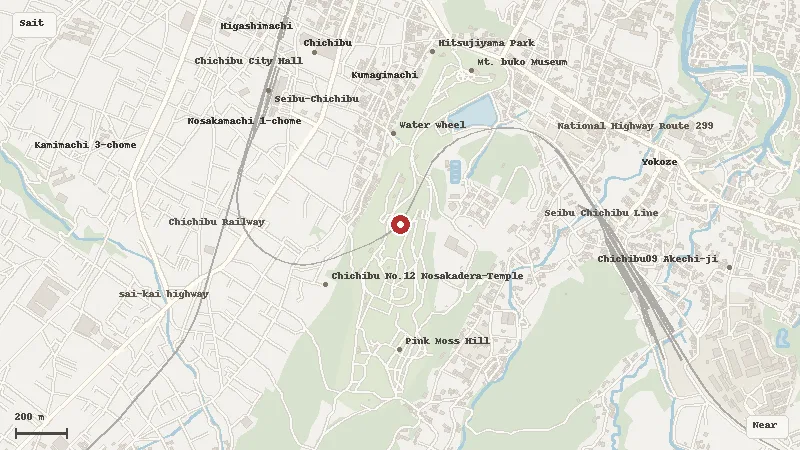
Map data © OpenStreetMap contributors