Nagoya & Central JapanPreview
Nagoya Castle
Explore Nagoya Castle’s grounds and reconstructed Honmaru Palace, where painted interiors and formal rooms reveal the authority of the Owari Tokugawa.


Chūbu / Hokuriku
Build a Nagoya & Central Japan route from curated places, then use each guide’s practical context to decide what belongs in the itinerary.
Explore Nagoya Castle’s grounds and reconstructed Honmaru Palace, where painted interiors and formal rooms reveal the authority of the Owari Tokugawa.
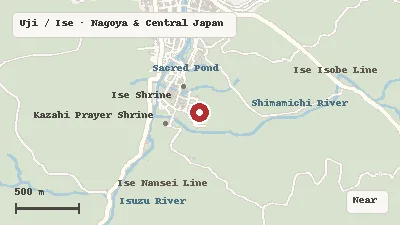
Beside the approach to Ise Jingu's Inner Shrine, Okage Yokocho recreates the merchant-town setting associated with pilgrimage to Ise. Regional food, craft shops and period-style buildings give the quarter its character. Pair a browse here with the shrine approach while recognizing that this is a recreated streetscape, not an untouched historic block.
Walk Kenroku-en’s pond-side paths and bridges, comparing open views with quieter garden scenes shaped by generations of Kanazawa’s Maeda rulers.
Cross the Uji Bridge towards Naikū’s wooded precinct, where the Isuzu River, shrine approach and tradition of renewal shape the experience of Ise Jingū.
Explore Matsumoto Castle’s timber keep and moat-side setting, looking for the contrast between defensive spaces and the more open moon-viewing wing.
Follow Nagano's pilgrimage approach to a temple whose most important image is deliberately kept from view.
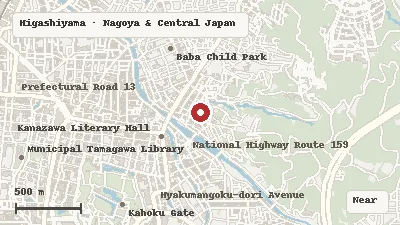
Wooden teahouse façades give Kanazawa's Higashi Chaya District its distinctive streetscape. The area's connection with traditional entertainment is best explored by combining a street walk with a building or venue that explicitly welcomes visitors. Allow time to look at the latticework and building fronts without assuming every historic doorway is open to the public.
Move from marine mammals to tropical waters and Antarctic life across Nagoya's two-part aquarium.
Follow the wooded approaches of Atsuta Jingu and discover the traditions behind its celebrated sword association.
Discover Ise's Outer Shrine through its wooded approaches and the traditions of sacred food offerings.
Climb through Hikone's surviving castle defenses, then see the keep framed by the garden below.
Browse a few shopping areas around the lawns, with room to turn a Karuizawa station stop into a meal and a walk.
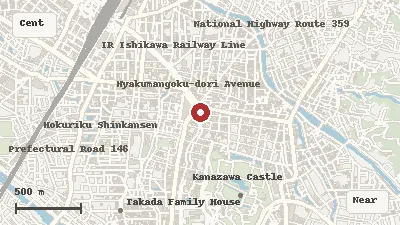
Omicho Market brings Kanazawa's seafood and produce trade into a central network of food stalls, shops and small restaurants. The connection with Sea of Japan seafood gives it a different focus from the city's teahouse districts. Allow time to look at the ingredient counters as well as choosing somewhere to eat.
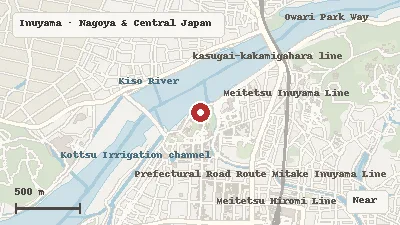
Inuyama Castle's surviving wooden keep stands above the Kiso River, giving the visit a focus on original structure as well as the setting. Inside, steep stairs and low beams make the physical experience part of the attraction. Consider those interior conditions when deciding whether to explore the keep or concentrate on the surroundings.
Explore the meeting of contemporary art, glass architecture and visual illusion at Kanazawa's circular museum.
Explore dinosaur skeletons and fossil research in Katsuyama, where regional discoveries inform a major natural-history museum.
Follow spring-fed wasabi beds and water wheels in Azumino's farm landscape.
Choose coaster thrills or family rides at the amusement-park core of Nagashima Resort.
LEGOLAND Japan brings LEGO-built scenery, family rides and hands-on building areas to Nagoya's Kinjo-futo waterfront. MINILAND turns Japanese landmarks into detailed miniature scenes, rewarding time spent looking between activities. Plan the day around the balance of models, play and rides that suits your group, with individual attraction requirements checked ahead.
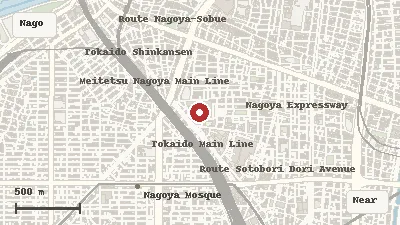
At Toyota's Commemorative Museum of Industry and Technology, textile machinery leads into the story of automobile manufacturing. Preserved factory buildings give the exhibits an industrial setting, while working-machine demonstrations help explain processes that finished vehicles cannot show. Divide time between the textile and automobile pavilions to follow the connection between the two industries.
See Karuizawa's fine 'white threads' of water stretch across a wooded rock face.
See the rope-bound Meoto Iwa rocks beside Futami's sea-facing shrine.
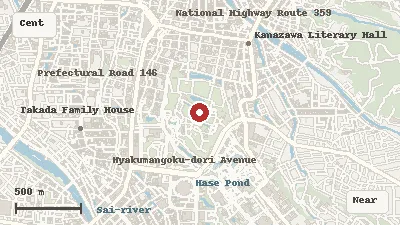
Kanazawa Castle Park combines surviving historic structures with reconstructed buildings and extensive stone walls on the former seat of the Maeda lords. Walking the grounds reveals differences in masonry and the scale of the old castle complex. Pair it with nearby Kenrokuen if you want to explore how the castle and garden relate within central Kanazawa.
Pause at Osu Kannon before entering Nagoya's lively shopping lanes.
Walk above Sakae on Oasis 21's Spaceship-Aqua roof.
See Kurobe Dam from the crest and Alpine viewpoints; discharge is seasonal.
See Mount Kinka's castle setting; Gifu Castle's keep is closed for renovation.
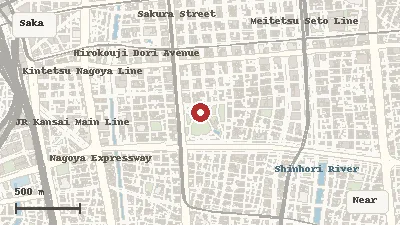
Nagoya City Science Museum combines hands-on galleries with a planetarium inside the large silver sphere above Shirakawa Park. Large-scale demonstrations turn subjects such as air movement and electricity into observable events. Decide whether the planetarium or particular demonstrations are priorities, then use the daily program to arrange time among the galleries.
Browse coastal seafood stalls on Teradomari Fish Market Street.
Roam Osu's covered merchant streets for vintage and pop-culture shops.
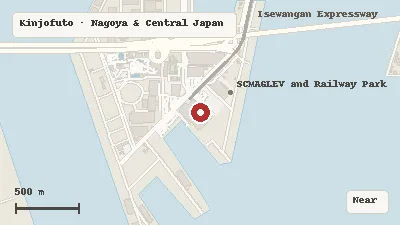
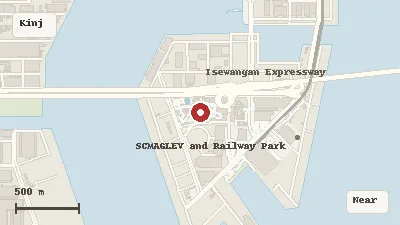
SCMAGLEV and Railway Park in Nagoya follows the development of rail technology from steam locomotives to Shinkansen and superconducting maglev. Preserved vehicles show changes in shape and engineering, while system displays explain speed, comfort and operation. Compare several generations of trains before exploring the maglev material to see how the technologies relate.
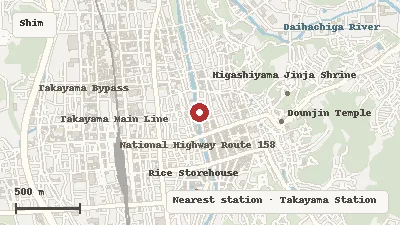
Miyagawa Morning Market brings produce, pickles, crafts and snacks to the riverside in central Takayama. Temporary stalls and permanent shops create a route where browsing can alternate with views of the water and nearby old-town streets. The mix of sellers changes with season and weather, so approach it as a morning market walk rather than a fixed list of stalls.
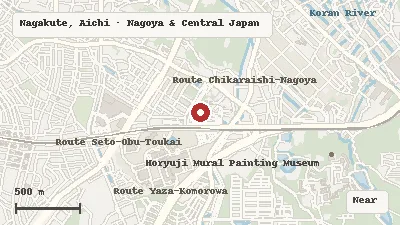
Toyota Automobile Museum in Nagakute traces car history across Japanese, European and American manufacturers. The chronological vehicle displays let visitors compare design changes across countries, while the Cultural Gallery explores how cars entered advertising and everyday life. Give both sections time to see the automobile as a cultural object as well as a machine.
Miho no Matsubara joins pine shore, Fuji views and the Hagoromo legend.
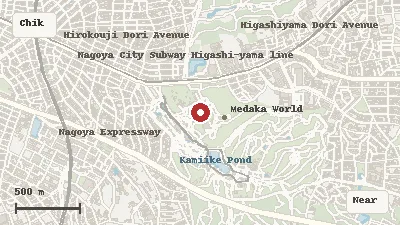
Higashiyama Zoo and Botanical Gardens brings animal habitats, greenhouse collections and extensive planting into one large Nagoya destination. The botanical areas offer a different pace from the zoo, with enough ground between them to make route choices worthwhile. Decide early whether to concentrate on one side or allow time to explore both.
Climb or ride toward Ieyasu's ornate Kunōzan Tōshōgū.
Toyama's Kansui Park centers on canal water and the Tenmonkyō bridge.
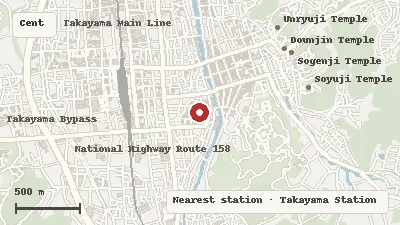
Takayama Jinya preserves the administrative side of Edo-period Hida in a complex of offices, residential rooms and storehouses. Moving between these spaces shows how governing the region involved both official business and the routines of a working household. It provides a useful counterpart to Takayama's merchant streets by bringing the machinery of government into view.
Visit maidreamin's Manekineko-mae cafe while exploring Osu.
Look over Nagoya from MIRAI TOWER above Hisaya-ōdōri Park.
Climb Magome-juku's old Nakasendō street in the Kiso hills.
Tomoe River paths, Taigetsukyo bridge and seasonal maple color in Asuke.
A preserved Nakasendo post town and the Kiso Valley route toward Magome.
Five Ghibli-inspired areas spread through Expo 2005 Aichi Commemorative Park.
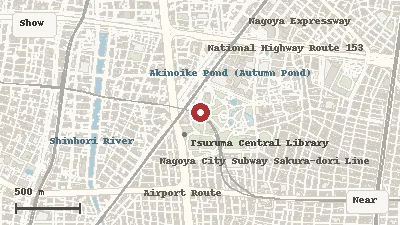
Tsuruma Park combines a historic bandstand and fountain with cherry trees, formal flower beds and Japanese garden elements. Established as Nagoya's first municipal park, it still serves as a place for public gatherings and everyday recreation. Walk between its civic landmarks and planted areas to see how several ideas of a modern city park share the same grounds.
Toyama Bay seafood, local food and port-side shopping at Himi Banya-gai.
Contemporary glass galleries within Toyama Kirari's light-filled interior.
Layered views across Ago Bay's inlets, islands and pearl-culture landscape.
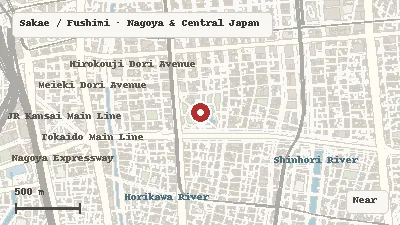
Shirakawa Park gives Nagoya's Fushimi museum district a shared outdoor setting of lawns, trees and sculpture. The science museum's giant planetarium sphere marks one side of the landscape, with the art museum forming another cultural anchor. Use the park to connect the two institutions or to spend time outside before returning to the surrounding city streets.
Fashion, food and rotating specialty retail across Nagoya PARCO's Yabacho buildings.
Sea of Japan habitats and broader marine exhibits at Niigata City Aquarium.
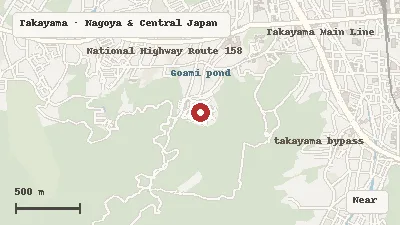
Hida no Sato gathers traditional farmhouses and other regional buildings into an open-air museum near Takayama. Roof forms, domestic spaces and everyday tools show how mountain households adapted to heavy snow and rural work. Move between several buildings to compare their uses, remembering that the village brings structures from different original communities together.
Tokugawa Ieyasu history, older stonework and a reconstructed tower at Hamamatsu.
Flower gardens, a begonia conservatory and seasonal illuminations near Nagashima.
A long wooden Nakasendo streetscape through the Kiso Valley at Narai-juku.
Regional marine life displayed on Notojima in Nanao Bay.
Climb to Gujo Hachiman Castle for the town-and-valley view.
Walk Kamikochi's Azusa River paths beneath the Hotaka peaks.
See Wajima's rice terraces step down toward the Sea of Japan.
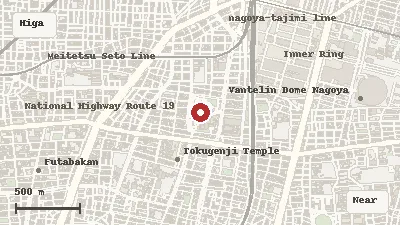
Tokugawa Garden in Nagoya recreates a daimyo-style landscape on land connected with the Owari Tokugawa household. A central pond, waterfalls and stonework compress larger natural scenery into a strolling route. Pair the garden with the neighboring Tokugawa Art Museum if you want to connect the family's cultural objects with a landscape recalling its former estate.
Explore world architecture and cultural displays across Little World.
Shop for Toyama Bay seafood at Shinminato Kitokito Market.
See Matsumoto art and Yayoi Kusama's local connection.
Visit Wajima's relocated morning market at Wai Plaza.
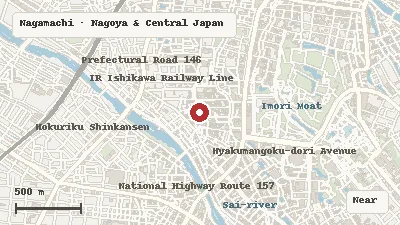
Nagamachi preserves the street pattern and atmosphere of a former samurai residential district in Kanazawa. Earthen walls, narrow lanes and canals reveal the boundaries of households once linked to the Kaga domain. Explore the public streets first, then choose individual residences or museums to enter; the district is a neighborhood with separate sites rather than one enclosed attraction.
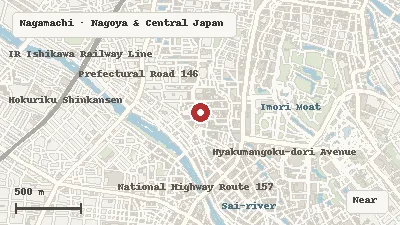
Nomura-ke opens one samurai household within Kanazawa's Nagamachi district to closer inspection. Interior rooms, displayed objects and a compact garden bring the scale of domestic life into focus after walking the neighborhood's walled lanes. Look at how the rooms frame the garden as well as at individual details to understand the relationship between the house and its setting.
Explore thatched farmhouses above Gero Onsen.
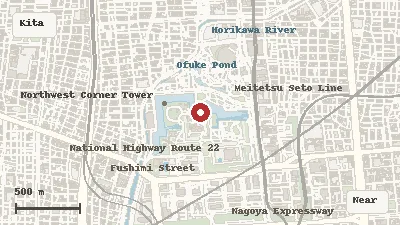
Meijo Park spreads lawns, trees and flower planting beside the northern side of Nagoya Castle. It offers a broader recreation landscape around the castle district, with the Flower Plaza adding a horticultural focus. Walk through the planting and open grounds before deciding whether to extend the outing into the castle's separately managed visitor areas.
Explore Owari Tokugawa treasures in Nagoya.
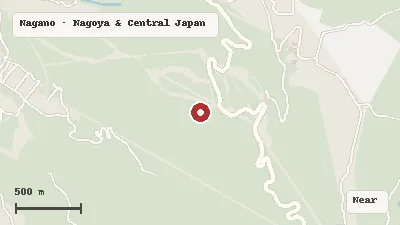
Nozawa Onsen Snow Resort spreads across Mount Kenashi above the old hot-spring village, with roughly 297 hectares of terrain, a large vertical range and a top-to-bottom run of about 10 kilometers.
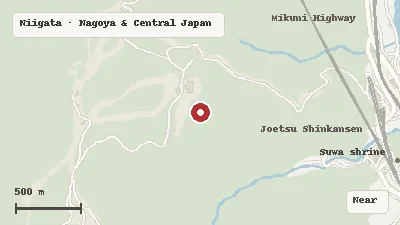
GALA Yuzawa integrates a winter ski resort directly with a Shinkansen station, placing ticketing, rentals and gondola access in the same base complex reached by train from Tokyo.
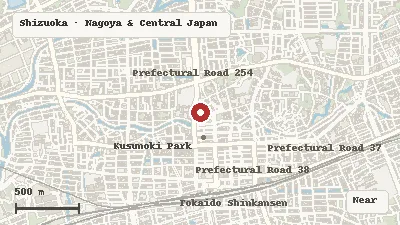
Kakegawa Castle’s 1994 wooden keep reconstruction revived the hilltop landmark using traditional materials and methods, while the surrounding grounds preserve the setting of the earlier castle.
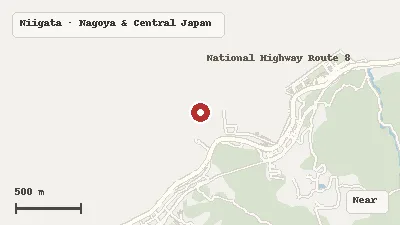
Kaniya Yokocho lines Nou fishing port with crab stalls selling beni-zuwai, or red snow crab, only a short distance from where boats bring the catch ashore on the Japan Sea coast.
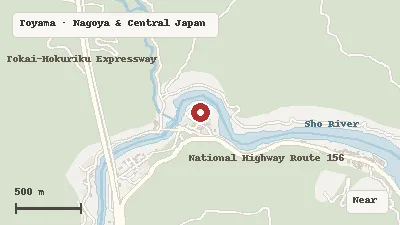
Suganuma is a compact Gokayama village of nine traditional gassho-zukuri farmhouses, preserving steep thatched architecture within a small mountain settlement rather than an open-air museum.
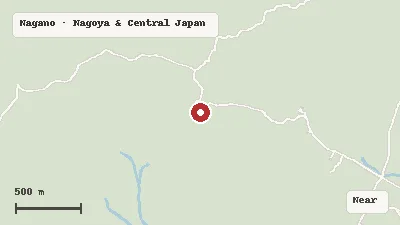
Togakushi Shrine Okusha lies deep in Nagano’s mountain forest, reached by a long approach that passes through an avenue of old cedar trees before climbing toward the inner sanctuary.
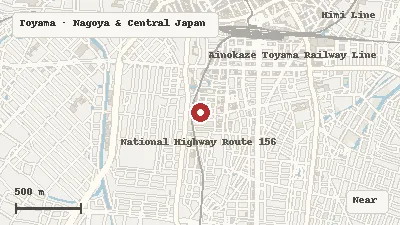
Zuiryuji is a seventeenth-century Zen temple in Takaoka built by the Kaga Maeda family in memory of Maeda Toshinaga, with major gate and hall buildings designated National Treasures.
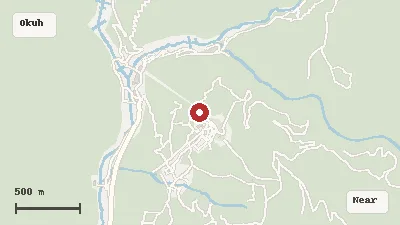
Shin-Hotaka Ropeway climbs from Okuhida toward the Northern Alps in two stages, with a double-deck gondola on the upper section. The journey changes the scale of the surrounding mountains before reaching the high viewpoint. Check both sections' operation and the weather before traveling, since cloud, wind and seasonal conditions can substantially change the experience.
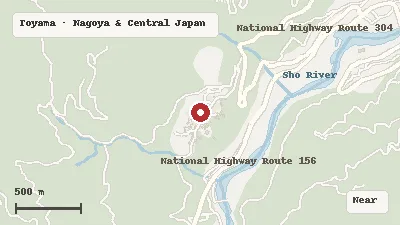
Ainokura is a working Gokayama hamlet of about twenty steep-thatched gassho-zukuri farmhouses on a terrace above the Sho River, preserving a compact mountain settlement pattern.
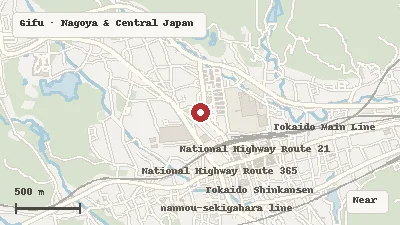
Gifu Sekigahara Battlefield Memorial Museum stands by Tokugawa Ieyasu's final encampment, interpreting the 1600 battle that reshaped political power at the end of the Sengoku era.
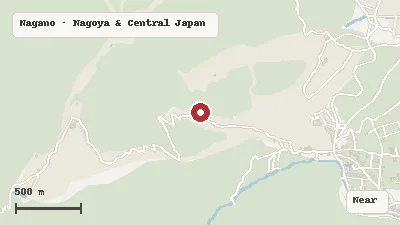
Hakuba Goryu Snow Resort rises above Escal Plaza at the southern end of Hakuba Valley and connects by lifts with Hakuba47, giving skiers access to two linked mountain areas from one base.
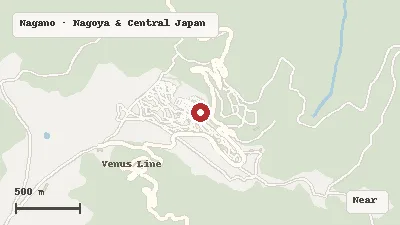
Utsukushigahara Open-Air Museum places large contemporary sculptures across the high Utsukushigahara plateau, using open sky, mountain weather and long views as part of the art setting.
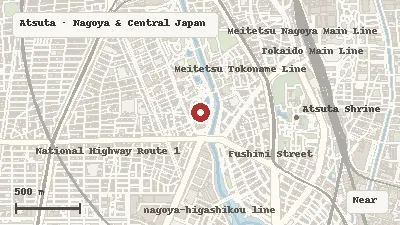
Shirotori Garden turns the landscape of central Japan into a garden walk in Nagoya's Atsuta district. A hill represents Mount Ontake, while a stream evokes the Kiso River as it winds toward the ponds. Waterside tea-house architecture and changing views give the route its character.
Akame 48 Waterfalls follows a forested gorge in Mie where a chain of waterfalls and pools unfolds along a hiking route through cool, wooded terrain and rocky stream corridors.
Hakuba Happo-one is the largest ski area in Hakuba Valley and hosted the 1998 Nagano Olympic downhill, rising from roughly 760 to 1,831 meters on a broad mountain face.
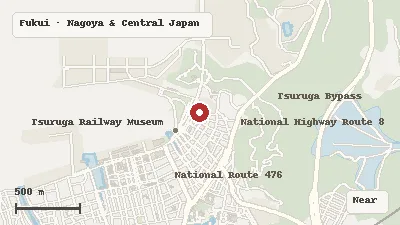
Tsuruga Red Brick Warehouse preserves two 1905 waterfront warehouses, now reused for restaurants and a railway diorama that reflects the port city's long rail and maritime transport history.
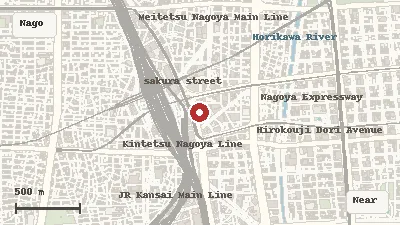
Sky Promenade follows the upper levels of Midland Square beside Nagoya Station, with an outdoor observation setting above the city. Its open-air character distinguishes the experience from looking through an enclosed tower window. The broad outlook changes with the light, while weather can affect both visibility and access.
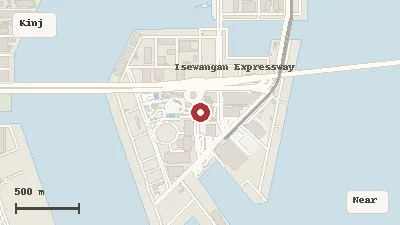
SEA LIFE Nagoya is an indoor aquarium beside LEGOLAND Japan, organized into themed areas designed to encourage children's curiosity about aquatic life. Displays and ranger-led activities provide different ways to look at the animals. Its setting makes it possible to plan the aquarium alongside other attractions at the resort.
Mandarake branch in Nagoya's Osu shopping district, focused on secondhand manga and collectible.
In Sakae, nagoya’s permanent Shueisha JUMP SHOP for official Weekly Shonen Jump merchandise.
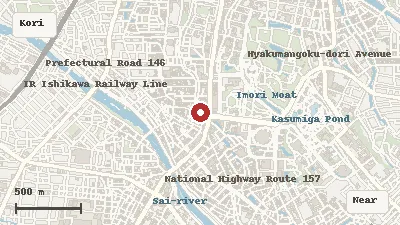
wargo's Kanazawa Korinbo store offers kimono rental from a central shopping district near the city's historic sightseeing areas. Outfit selection and dressing turn the shop into a starting point for a walk rather than a stand-alone attraction. The branch also lists seasonal yukata and formal rental options, which serve different kinds of visits.
A station-adjacent Nagoya arcade at Kanayama with rhythm, racing.
Nagoya’s current Amenity Dream branch, in the heart of the Osu card-shop and subculture district.
Hareruya 2's Nagoya Pokémon-card store in Osu, with a large play space.
Sunpu Castle Park, Aoi Ward: The standing-style tea service inside Sunpu Castle Park's Momijiyama Garden.
Browse cards and analog games at the Osu shop, with a 38-seat duel room.
The Nagoya directly-managed shop for Metamorphose temps de fille inside Sakae NOVA.
In Nagoya / Sakae, angelic Pretty's Nagoya PARCO boutique for Lolita fashion and accessories.
Nagoya / Arimatsu: A preserved Tokaido-era textile town known for shibori dyeing and dark wooden merchant houses.
OZZONESTE's Nagoya branch in the Esca underground shopping mall in Nagoya Station / Esca.
Osu / Nagoya: The Tokai-area Super Potato branch in Nagoya’s Osu district, with a large retro-game selection.
Thanks for helping us improve. We have received your feedback.