
Why go
The resort stands out because the mountain and historic onsen village form one trip without being the same attraction. A full ski day can end in the dense hot-spring settlement below, while lift and terrain conditions still need to be treated as separate seasonal operations.
Field Notes
Nozawa Onsen Snow Resort occupies the mountain above Nozawa Onsen village, but the ski area and the hot-spring settlement are not the same attraction. The resort extends from lower slopes close to the village toward the Yamabiko area on Mount Kenashi, with terrain ranging from broad learning areas to steeper, ungroomed runs. For trip planning, it is useful to separate a day on the lift network from time spent in the village’s bathhouses, streets and seasonal festivals, even though the two experiences are closely connected.
Nozawa’s identity as a hot-spring settlement predates modern skiing. The village’s communal bathing culture developed around naturally heated water long before lifts were installed on the mountain. Skiing arrived in the early twentieth century and gradually became another major reason to travel here. The resort’s own historical material presents this development as an addition to an existing onsen community rather than the creation of a purpose-built ski town from scratch. That distinction is visible today: visitors can move between a working village and a large winter-sports area instead of staying only within a self-contained resort base.
The ski terrain rises well above the settlement, so weather and snow conditions can differ substantially between the lower and upper mountain. Lift operations, run openings and the usable season are therefore operational matters rather than fixed promises. The resort publishes current lift status and seasonal information, and those notices should be checked on the intended ski day. Ticket products and sale periods also change by season, so older prices or campaign dates should not be carried forward into a new itinerary.
A practical visit works best when transport, equipment and bathing time are planned separately. The ski area can occupy most of a day, while the village rewards a slower walk afterward. Some communal baths are maintained by local neighborhood associations and should be approached as shared bathing facilities rather than themed spa attractions. Nozawa’s appeal comes from that combination of mountain sport and long-established settlement, but each part has its own etiquette and operating constraints. Use the resort’s current winter information for lifts and slopes, and the village’s current guidance for bathing, accommodation and event access.
Planning Notes
Suggested time on site: 4–8 hours; overnight strongly suited. Keep travel and waiting time separate from that estimate.
Access reference: Iiyama Station, then Nozawa Onsen Liner/bus; village access on foot. Check the final walking or connecting leg when choosing your route.
Location
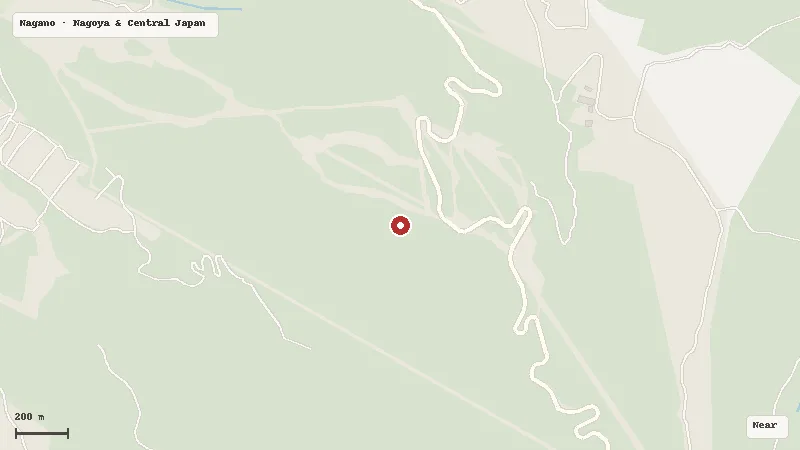
Map data © OpenStreetMap contributors