
Why go
Its defining feature is logistical: rail passengers can step from the Shinkansen into the resort's base facilities without a separate mountain transfer. That makes the site useful for understanding how Japanese ski infrastructure can be integrated directly with high-speed rail.
Field Notes
GALA Yuzawa is unusual among Japanese ski resorts because its origin is directly tied to the railway system that brings many visitors to the mountain. The project began with an idea from railway track-maintenance workers who skied together and imagined extending Shinkansen access to the foot of a ski area. A maintenance base already existed near Mount Takatsukura, giving JR East a practical foundation for a railway-linked resort. GALA Yuzawa opened in December 1990, and company history emphasizes how some of the railway employees involved in development moved into ski instruction, reception, lift operations and mountain safety.
That transport origin still shapes the visitor sequence. GALA Yuzawa Station is integrated into the COWABUNGA base center, where changing areas, rentals and ticket services are concentrated. A gondola then carries visitors upward to the CHEERS mountain facility. The result is very different from arriving at a remote ski base by long road transfer: rail, rental and mountain access are organized as one connected system during the winter operating period.
The ski terrain is divided into areas with different roles. The Central and North zones contain the principal groomed runs, including beginner-friendly and longer descending routes, while a separate snow-play area keeps sledding away from normal ski traffic. The operator’s 2026 announcement suspends the South Area for the 2026–27 season, citing unstable natural-snow conditions, terrain issues identified after the 2004 Chūetsu earthquake and aging-facility considerations. Older piste maps therefore should not be treated as proof that every historic run is available now.
The strongest planning lesson is that GALA’s famous railway connection is seasonal and operational. Direct Shinkansen service, shuttle links from Echigo-Yuzawa, gondola operation, snow coverage and individual runs can all change with the winter timetable and mountain conditions. Equipment and clothing rental make a day trip practical, but a visitor should verify the live operating notice rather than reuse last season’s opening dates. GALA is most interesting as a piece of transport-oriented resort development: a ski mountain conceived through railway infrastructure, still organized around the idea that travelers can move from train to snow with unusually little transfer friction.
The resort’s own live mountain status should therefore remain the final authority on what is actually skiable that day.
Planning Notes
Suggested time on site: 4–8 hours. Keep travel and waiting time separate from that estimate.
Access reference: Directly connected to JR Gala Yuzawa Station during winter service. Check the final walking or connecting leg when choosing your route.
Location
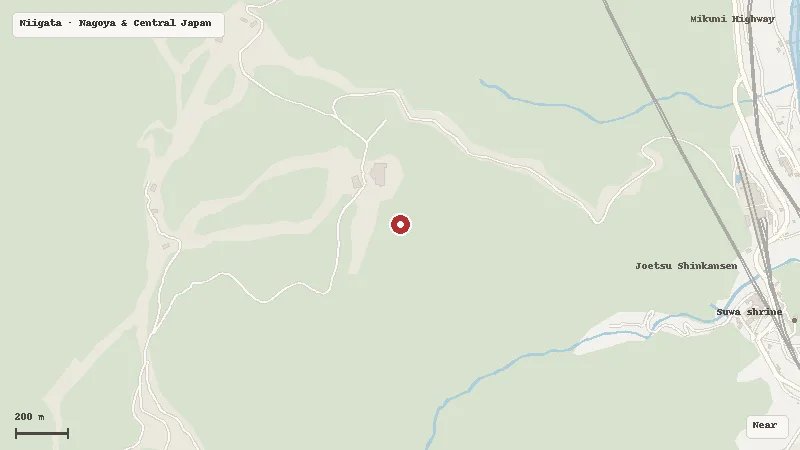
Map data © OpenStreetMap contributors