
Why go
The approach is the defining feature rather than a prelude to be rushed. Walking from the bus stop through the forest and cedar avenue gradually separates Okusha from the road and nearby village, giving the inner sanctuary a stronger sense of mountain seclusion.
Field Notes
Togakushi Shrine’s Okusha is the upper sanctuary reached by an approximately two-kilometre approach into the forest beneath Mount Togakushi. The route itself is central to the visit. After leaving the road and lower settlement behind, visitors pass the red Zuishinmon gate and enter an avenue of enormous cryptomeria cedars, many described by the shrine as more than four centuries old. The final section climbs toward Okusha and neighboring Kuzuryusha, turning the walk into a gradual transition from village edge to mountain sanctuary.
The religious history of Togakushi is older and more complex than the modern category of Shinto shrine suggests. The mountain developed as a center of ascetic practice in which mountain worship, Buddhist institutions and forms of Shugendo overlapped. Temple and shrine traditions coexisted for centuries. Meiji-period policies separating Shinto and Buddhism reorganized this mixed religious landscape, leaving the present shrine system as the modern institutional form of a much older sacred mountain.
Okusha enshrines Ame-no-Tachikarao, while nearby Kuzuryusha is associated with the deity Kuzuryu and traditions of water and mountain power. The setting helps explain the persistence of these beliefs: steep slopes, dense forest and the narrowing approach create a strong sense of entering a separate mountain space. The cedar avenue is often photographed independently, but it remains a working approach to active sanctuaries rather than a decorative tree tunnel.
Season changes access substantially. In the snow-free months, the approach is a long but straightforward walk for visitors prepared for the distance and climb. Winter alters bus service and the physical route, and the shrine normally suspends Okusha and Kuzuryusha prayer/amulet reception during the deep-snow period. Anyone planning a winter visit should use current shrine and transport notices rather than assuming the same access as autumn photographs. For UMJ, the practical value of Okusha lies in experiencing the mountain approach as part of the religious landscape, with the cedar avenue, gate and upper sanctuaries understood as one connected route rather than separate photo stops.
Folklore & legends
Togakushi’s name is tied to the Ama-no-Iwato myth. Shrine tradition says that when Amaterasu hid in the rock cave and the world fell into darkness, Ame-no-Tachikarao pulled open the stone door and hurled it away; the door is said to have landed in Shinano and become Mount Togakushi, the “hidden-door mountain.” Okusha enshrines Ame-no-Tachikarao, placing the myth at the center of the sanctuary’s identity. Nearby Kuzuryusha preserves a separate local tradition around the nine-headed dragon deity Kuzuryu, associated with water and the mountain. These are religious myths maintained by the shrine community, not geological accounts of how the mountain formed.
Planning Notes
Suggested time on site: 45–90 minutes. Keep travel and waiting time separate from that estimate.
Access reference: Nagano Station bus to Togakushi Okusha Iriguchi; about 40 minutes on foot to Okusha. Check the final walking or connecting leg when choosing your route.
Location
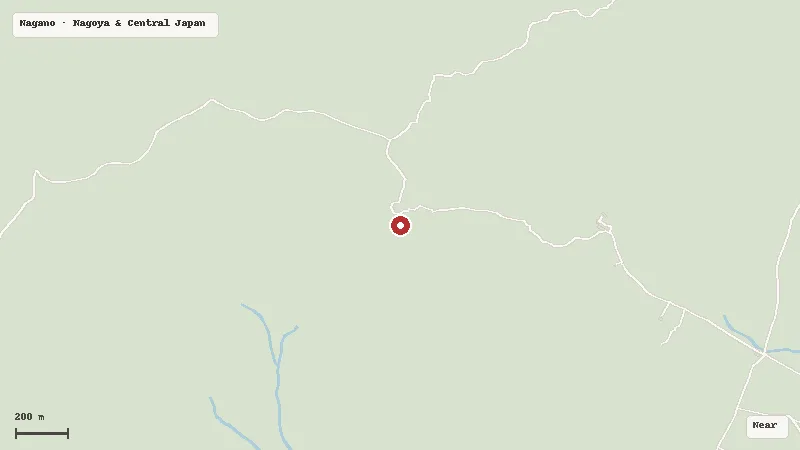
Map data © OpenStreetMap contributors