
Why go
The museum's strongest feature is the relationship between sculpture and an exposed mountain environment. Works are encountered across open ground rather than isolated in galleries, so distance, weather and changing views become part of how the collection is experienced.
Field Notes
Utsukushigahara Open-Air Museum occupies a high plateau in central Nagano at roughly 2,000 metres above sea level, using the mountain environment as part of the exhibition rather than simply as scenery outside a gallery. The museum opened in 1981 and spreads more than 350 modern and contemporary sculptures across approximately thirteen hectares. Large works stand in grassland where their scale can be judged against sky, ridges and long-distance views rather than against indoor walls.
The altitude fundamentally changes the experience. Utsukushigahara is known for broad highland panoramas, summer wildflowers and views toward several mountain ranges when conditions are clear. Cloud, wind, fog and intense sun can alter the appearance of the same sculpture within a short period. The museum’s operating year is consequently seasonal; deep snow and difficult road conditions close the outdoor site through winter.
The collection includes figurative and abstract works in stone, metal and other durable materials. Indoor galleries add paintings, light-based works and children’s displays, but the outdoor circuit remains the defining feature. Distance is part of the curation: visitors walk between pieces across rising and falling paths, viewing sculptures from multiple angles as the mountain landscape changes behind them.
The museum shares its highland location with roadside and visitor facilities, but the sculpture grounds are a separate ticketed space. That distinction matters for planning because the broader area may be accessible while the museum itself is closed for the season. Even during the open months, weather can affect comfort and visibility.
Utsukushigahara’s importance lies in the dialogue between two kinds of scale. Monumental art can dominate an indoor room, yet on this plateau even large sculptures remain small within the surrounding terrain. Exposure to wind, sun, fog and alpine weather also makes material and silhouette more noticeable than they would be under controlled museum lighting. Visitors should check the current seasonal calendar, arrive with enough time for the full outdoor route and treat the high-elevation environment as an active part of the museum rather than a backdrop that can be ignored.
The museum’s published 2026 season runs from late April into early November, illustrating how completely winter weather governs public access at this elevation. Outside the open season, the roadside setting should not be mistaken for an operating sculpture museum.
Planning Notes
Suggested time on site: 60–120 minutes. Keep travel and waiting time separate from that estimate.
Access reference: Matsumoto Bus Terminal; seasonal bus when operating, otherwise car or taxi is practical. Check the final walking or connecting leg when choosing your route.
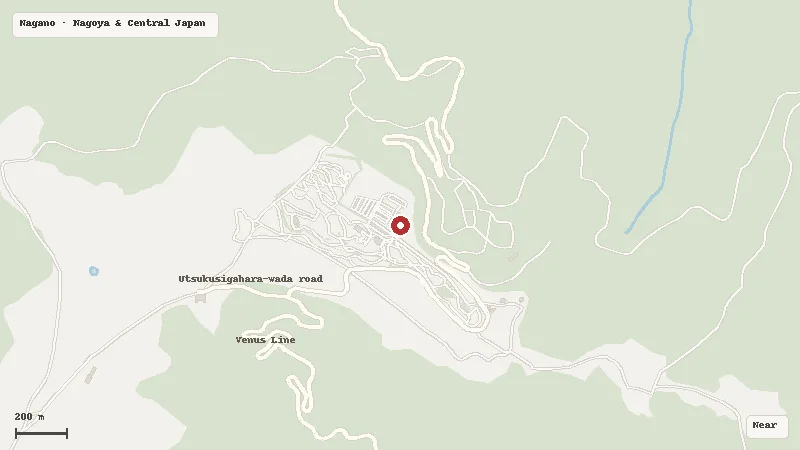
For October 5–December 27, 2026: the museum is open daily 09:00–17:00 through November 3, entry by 16:30, then closed November 4–December 27. From October 19, the Azalea Line approach from Matsumoto is closed for retaining-wall repairs until the Venus Line winter closure is lifted in April 2027. Use the operator detour via Route 254 (Misayama Tunnel), Route 152 and Prefectural Route 62 (Takeshi tourist center). The Nature Conservation Center/Misuzu Lake side is not connected by road to the museum/Venus Line side. This access restriction does not close the museum before November 4.
Location
Map data © OpenStreetMap contributors