Tokyo & KantōPublic
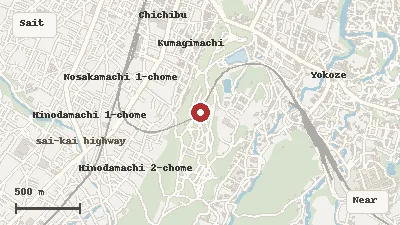
Hitsujiyama Park
Hitsujiyama Park’s Shibazakura Hill covers roughly 17,600 square meters with more than 400,000 moss-phlox plants, creating bands of pink, white and purple below Mount Bukō in spring.

EXPLORE BY PLACE + LENS
Search the interactive Places catalog for landmarks, local neighborhoods and unexpected stops by destination, Lens or keyword. Read Public guides and browse Preview introductions. A free account lets you filter your saved Public Favorites.
Looking for an editorial shortlist? Start with Japan Essentials, then use Discover to combine interests and refine your search.
No filters active.
Hitsujiyama Park’s Shibazakura Hill covers roughly 17,600 square meters with more than 400,000 moss-phlox plants, creating bands of pink, white and purple below Mount Bukō in spring.
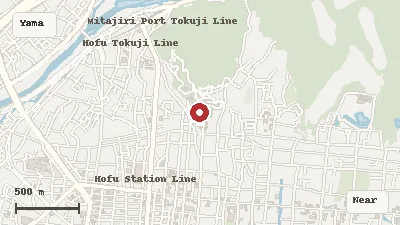
Hofu Tenmangu is traditionally regarded as Japan's first Tenmangu shrine, dedicated to Sugawara no Michizane and rooted in the nationwide devotional culture that formed around him.
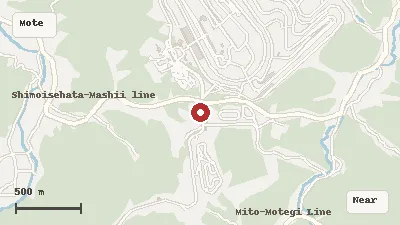
Honda Collection Hall at Mobility Resort Motegi brings motorcycles, road cars and competition machines into a story of Honda's engineering development. Seeing different vehicle types together reveals links between everyday mobility and racing. Follow the collection's historical sequence while allowing for changing displays, and plan the museum within the wider Motegi site's access arrangements.
Inubosaki is an exposed Pacific cape at Choshi where sea walls, fishing homes and narrow lanes extend the experience beyond the better-known lighthouse and main ocean viewpoint.
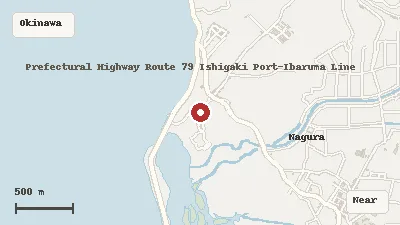
Ishigaki Yaima Village is a cultural theme park presenting traditional Okinawan architecture, craft activities and reconstructed old-style houses within a landscaped setting on Ishigaki Island.
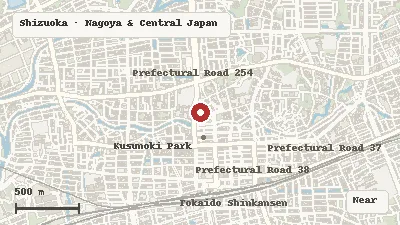
Kakegawa Castle’s 1994 wooden keep reconstruction revived the hilltop landmark using traditional materials and methods, while the surrounding grounds preserve the setting of the earlier castle.
Kaniya Yokocho lines Nou fishing port with crab stalls selling beni-zuwai, or red snow crab, only a short distance from where boats bring the catch ashore on the Japan Sea coast.
Kannonzaki Park layers wooded coastal trails, sea cliffs and lighthouse viewpoints with surviving military batteries, showing how the entrance to Tokyo Bay was both landscape and defense corridor.
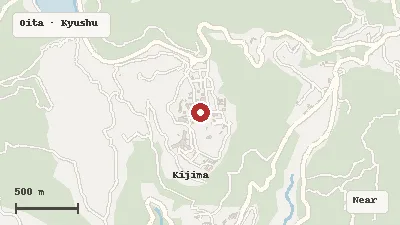
Kijima Kogen Park is a mountain amusement park in Oita Prefecture, combining rides and family attractions with a cooler highland setting and views across the surrounding landscape.
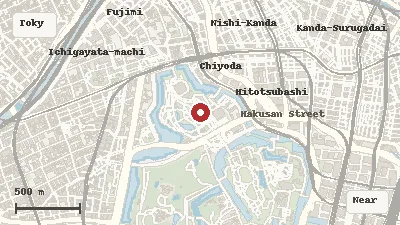
Kitanomaru Park occupies the northern bailey of former Edo Castle beside the Imperial Palace, preserving original gates within a public green space that now also contains major cultural venues.
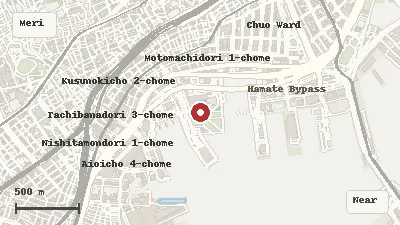
Kobe Maritime Museum places the port's history beneath a white roof that evokes sails on the Meriken Park waterfront. Ship models and maritime displays explain the activity behind the harbor scenery, while Kawasaki Good Times World shares the building with a broader industrial focus. Follow the subjects that interest you, then compare the exhibits with the working waterfront outside.
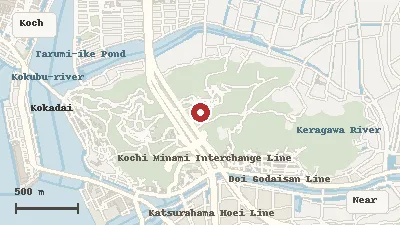
Kochi Prefectural Makino Botanical Garden combines a public garden with plant research on Mount Godai, commemorating botanist Makino Tomitaro through living collections and interpretation.
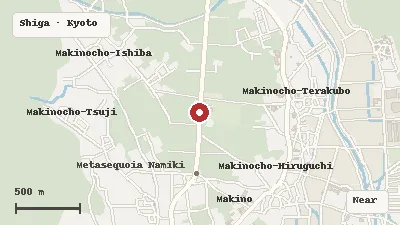
Makino Metasequoia Avenue runs for about 2.4 kilometers toward Makino Kogen, with roughly 500 dawn redwoods forming a long, straight corridor that changes strongly with the seasons.
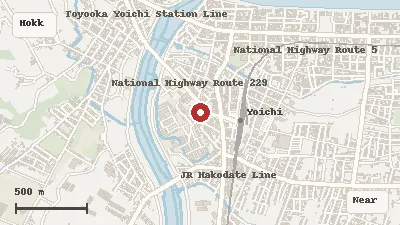
Nikka Whisky Yoichi Distillery was founded in 1934 by Masataka Taketsuru and preserves a historic Hokkaido distilling campus where traditional direct coal-fired pot stills remain central.
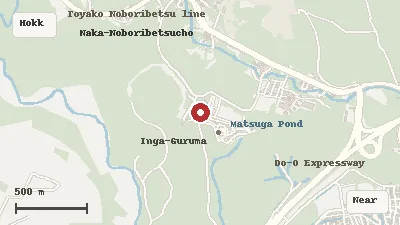
Noboribetsu Date Jidaimura is an Edo-period historical theme park where reconstructed streets, traditional crafts and staged samurai performances turn period culture into an immersive visit.
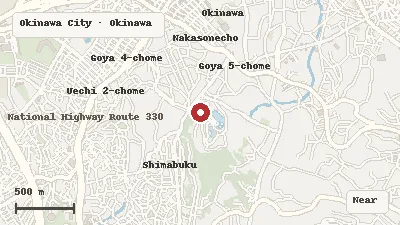
Okinawa Zoo & Museum combines animal exhibits with the hands-on Wonder Museum in Okinawa City. The zoo's hillside layout makes moving between habitats part of the day, while the museum offers another kind of exploration through science, perception and creative play. Decide how to divide the visit between the two components and check their current admission arrangements.
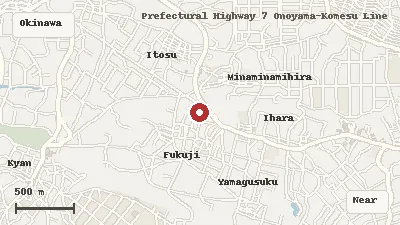
Ryukyu Glass Village is an Itoman factory, workshop and retail complex where visitors can watch glassblowing and take part in hands-on experiences tied to Okinawa’s modern glass craft.
Explore Sapporo PARCO's shops near Odori.
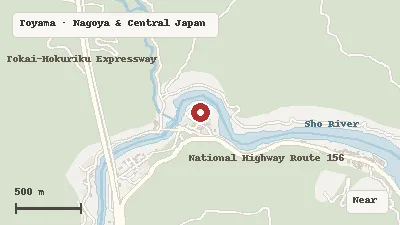
Suganuma is a compact Gokayama village of nine traditional gassho-zukuri farmhouses, preserving steep thatched architecture within a small mountain settlement rather than an open-air museum.
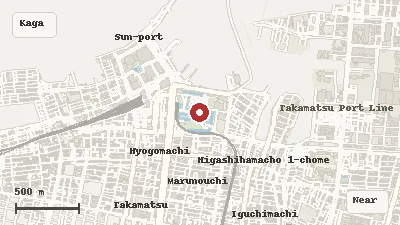
Takamatsu Castle, preserved as Tamamo Park, was built in 1590 beside the harbor and remains unusual for a moat system filled with seawater drawn directly from the Seto Inland Sea.
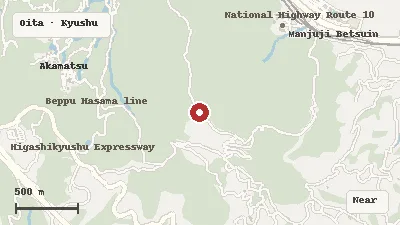
Takasakiyama Natural Zoological Garden is a wild-monkey sanctuary between Oita and Beppu where free-ranging Japanese macaques move through the slopes and gather near feeding areas.
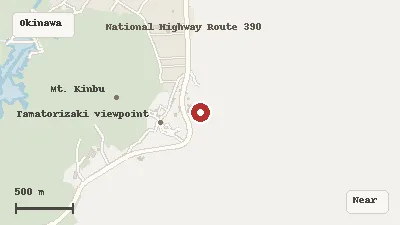
Tamatorizaki Observation Platform sits on a hill in northeastern Ishigaki, overlooking the island’s narrow landform with broad views toward both the Pacific and East China Sea.
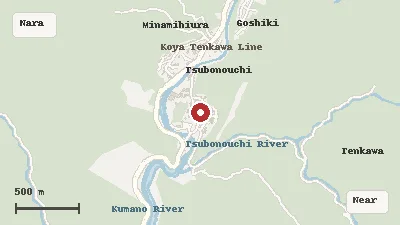
Tenkawa Daibenzaiten-sha sits in the sacred Omine mountain region and is closely associated with Benzaiten devotion, pilgrimage and Noh performance traditions in a remote river-valley setting.
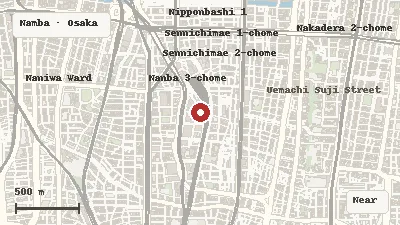
THE SUMO HALL HIRAKUZA OSAKA presents sumo as a visitor-oriented entertainment show in Namba Parks. Explanations of rules and techniques lead into staged bouts, giving newcomers a way to follow what happens in the ring. Choose the current show or workshop format that suits your interests; this is a theatrical sumo experience rather than an official grand tournament.
Thanks for helping us improve. We have received your feedback.