
Why go
The value is seeing a living craft process rather than browsing finished souvenirs alone. Demonstrations reveal how color and form are built in hot glass, while workshops let visitors engage with the same material in a controlled, visitor-friendly setting.
Field Notes
Ryukyu Glass Village is a working craft complex in Itoman where the story of Okinawan glass can be followed through furnaces, workshops and finished pieces rather than through retail shelves alone. The modern Ryukyu-glass tradition grew from a series of practical adaptations. Glassmaking knowledge reached Okinawa from other parts of Japan during the Meiji era, when workshops produced everyday goods such as bottles and lamp chimneys. The industry remained comparatively small and utilitarian before the war.
Postwar conditions changed the material and the market. Discarded beer, soda and other beverage bottles from the large American presence on Okinawa provided a readily available source of colored glass. Craftspeople melted those bottles and blew them into cups, pitchers and other objects. Greens, browns and blues came directly from the recycled material, while bubbles, thickness and slight irregularities reflected hand production and the properties of the glass. Characteristics that industrial manufacturing might reject became part of the visual language now associated with Ryukyu glass.
Demand from military personnel and later tourists helped transform this recycling practice into a recognized regional craft industry. The organization behind the present village took shape in the 1980s: a cooperative and company structure formed in 1983, a shared workshop followed in 1985, and the larger workshop-and-retail complex developed by 1988. Later production activity overseas shows how the craft moved from a local reuse economy into a wider commercial network while retaining an Okinawan identity.
At the Itoman site, the most useful part of a visit is seeing how molten glass is shaped, reheated and finished. Supervised experiences can add a hands-on component, but workshop availability is separate from simple admission and should be checked in advance if it is essential to the trip. The complex normally combines production, shopping and visitor programs under one roof. Ryukyu glass should therefore be understood as a modern Okinawan craft shaped by imported techniques, wartime disruption, postwar recycling and tourism—not as an unchanged tradition dating to the Ryukyu Kingdom. That history of adaptation is precisely what makes the finished pieces distinctive.
Free general admission to the complex does not make every hands-on program automatically available; workshop participation depends on the activity and current operating arrangements.
Planning Notes
Suggested time on site: 60–150 minutes. Keep travel and waiting time separate from that estimate.
Access reference: Naha Bus Terminal/Airport; bus or car toward Himeyuri/Itoman, then local access. Check the final walking or connecting leg when choosing your route.
ThinkThink workshop reception closes at 16:00. Glassmaking requires booking, with reservations opening two weeks before the intended date; its introductory session starts 30 minutes before the hands-on time, so arrive early. Finished glass is shipped approximately 2–7 days afterward rather than collected that day. Other listed crafts can be walk-in. Workshop rules do not change general village admission or its 09:30–17:30 hours.
Location
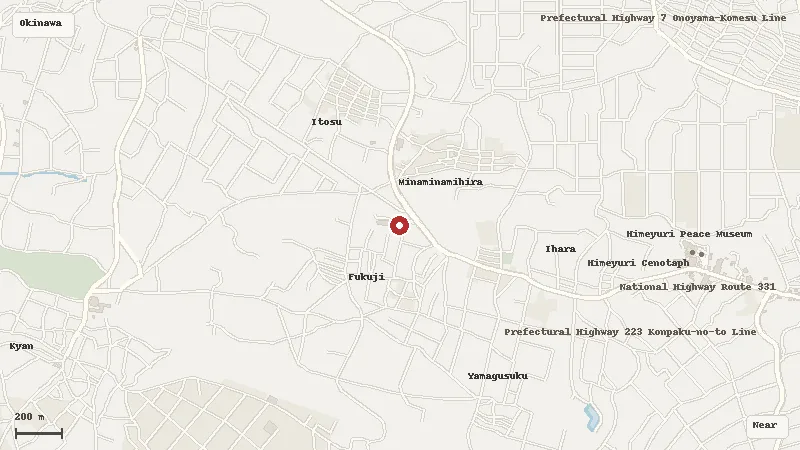
Map data © OpenStreetMap contributors