Hiroshima, Chūgoku & ShikokuPreview
Itsukushima Shrine
Follow Itsukushima Shrine’s covered corridors beside the tidal bay, where changing water levels transform the relationship between buildings, torii and shore.


Chūgoku / Shikoku
Build a Hiroshima, Chūgoku & Shikoku route from curated places, then use each guide’s practical context to decide what belongs in the itinerary.
Follow Itsukushima Shrine’s covered corridors beside the tidal bay, where changing water levels transform the relationship between buildings, torii and shore.
Visit the Atomic Bomb Dome as a preserved witness to Hiroshima’s destruction and the long effort to carry its memory into a peaceful future.
Explore Izumo Taisha’s approaches and shrine precinct for monumental architecture, sacred ropes and a living tradition concerned with the relationships between people.
Walk Hiroshima's memorial landscape slowly, reading the monuments as accounts of people and loss.
Encounter the names, belongings and testimony behind Hiroshima's memorial landscape.
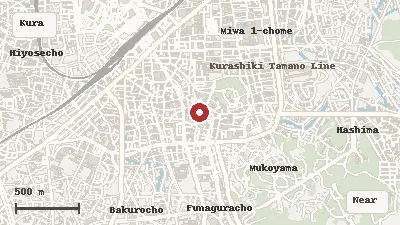
Kurashiki's Bikan Historical Quarter follows a canal lined with white-walled storehouses, willow trees and traditional buildings. Former commercial spaces now accommodate museums, shops and cafés, so the visit can move between the streetscape and individual interiors. Leave the canal occasionally to explore the adjoining merchant-town streets.
Time a Karato visit around the market's food-event calendar if choosing sushi from the stalls is your main aim.
Choose dishes from Hirome's stalls and settle into the shared tables for a taste of Kochi's food culture.
Compare Kintaikyo's sweeping profile from the riverbank with the changing levels of a walk across its timber spans.
Explore Hiroshima Castle's surviving site and reconstructed exteriors, with the main keep now closed to entry.
Walk Tottori's coastal dunes for wind-shaped sand and a wide view toward the Sea of Japan.
Choose a bathing course at Dogo Onsen's historic Main Building and experience its restored interior spaces.
Climb to an original castle keep above Matsuyama's streets and stone defenses.
Walk Kōrakuen's ponds and lawns, with Okayama Castle joining the garden views.
See the Yamato model, then follow Kure's naval and shipbuilding history beyond it.
See garden compositions through museum windows, then turn to modern Japanese painting.
Move from pond to pond through Ritsurin's pine-framed views beneath Mount Shiun.
Explore an original 1611 castle keep and its moated Matsue setting.
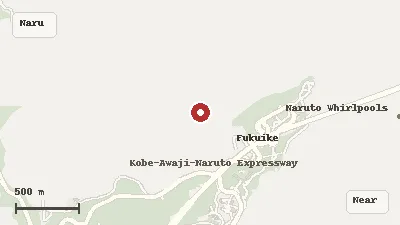
Otsuka Museum of Art in Naruto presents Western artworks as full-scale ceramic reproductions. The format brings paintings and recreated architectural interiors into one extensive route, including the setting of the Sistine Chapel. Come with time to compare styles and scale, understanding that the attraction is the reproduction project and its educational scope.
See Kochi's Pacific shoreline and the Ryōma statue at Katsurahama.
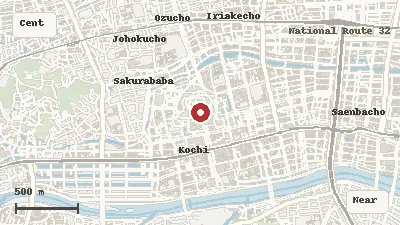
Kochi Castle preserves the relationship between a surviving keep and the palace buildings of its inner compound. Moving through the site reveals the residential and administrative side of castle life alongside defensive architecture. Give the connected buildings as much attention as the tower silhouette to understand the former center of the Tosa domain.
See Tottori's temporary sand sculptures in the current Spain exhibition.
Choose a griddle counter for Hiroshima okonomiyaki at Okonomimura.
Seek Chichibugahama's sunset mirror when low tide and calm water align.
Marugame Castle's high stone ramparts, surviving wooden keep and city views.
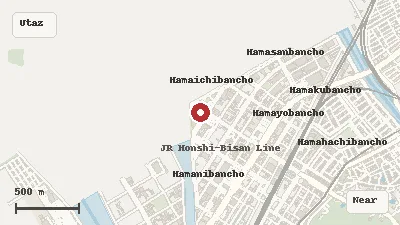
Shikoku Aquarium in Utazu organizes its exhibits around the island's water environments, from the Seto Inland Sea to the Pacific and inland rivers. The regional approach links individual animals with currents, coasts and freshwater landscapes. Follow those connections through the galleries, then notice how the aquarium's seaside setting extends the subject beyond its tanks.
A tide-dependent Shodoshima sandbar linking the shore to small offshore islets.
Ride and explore New Reoma World's themed grounds near Marugame.
Walk among Shodoshima's olives and the hilltop windmill.
Stroll Tomonoura's harbor streets and stone lighthouse.
Try kamatama udon at Yamagoe's rural Ayagawa shop.
Walk Yuushien's ponds and peony displays on Daikonshima.
See Onomichi's harbor and islands from Senkoji Park.
See Awa Odori dance at Tokushima's dedicated hall.
See art and light in Naoshima's underground Chichu museum.
Visit Ōyamazumi Shrine's wooded island precinct.
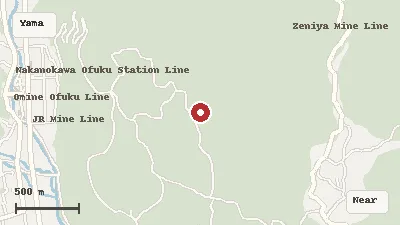
Beppu Benten Pond is a clear karst spring behind a small shrine in Yamaguchi, known for intensely blue water, visible depth and a year-round temperature of about fourteen degrees.
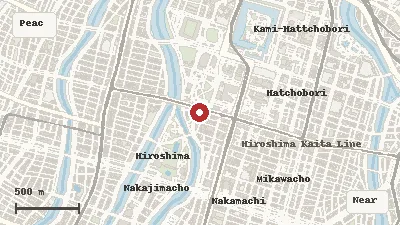
Hiroshima Orizuru Tower looks across the Peace Memorial Park area from beside the Atomic Bomb Dome. Its elevated, wood-lined observation space places the memorial landscape within the wider rebuilt city, while the paper crane provides a theme elsewhere in the building. Check which participatory exhibits are available, and allow the nearby memorial sites their own time and attention.
Browse Hiroshima PARCO near the Hondori shopping area.
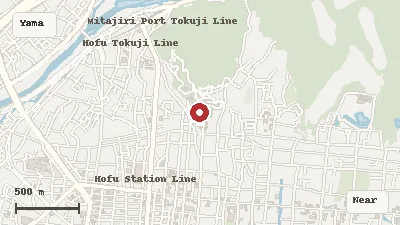
Hofu Tenmangu is traditionally regarded as Japan's first Tenmangu shrine, dedicated to Sugawara no Michizane and rooted in the nationwide devotional culture that formed around him.
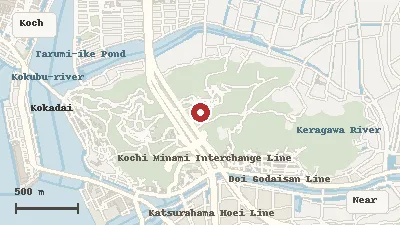
Kochi Prefectural Makino Botanical Garden combines a public garden with plant research on Mount Godai, commemorating botanist Makino Tomitaro through living collections and interpretation.
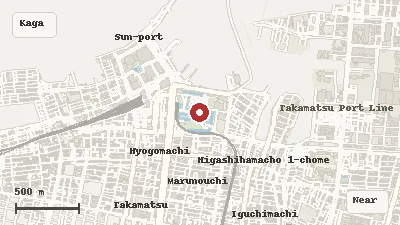
Takamatsu Castle, preserved as Tamamo Park, was built in 1590 beside the harbor and remains unusual for a moat system filled with seawater drawn directly from the Seto Inland Sea.
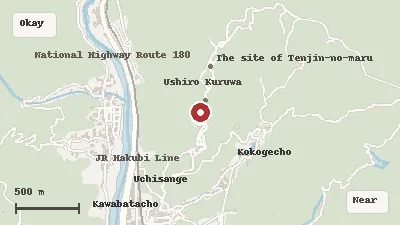
Bitchu Matsuyama Castle stands on Mount Gagyu about 430 meters above sea level, preserving one of Japan's twelve original castle keeps at the end of a steep mountain approach.
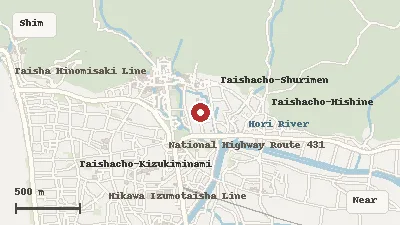
Shimane Museum of Ancient Izumo stands beside Izumo Taisha and interprets the archaeology, ritual history and mythology of ancient Izumo, Iwami and the Oki region through regional collections.
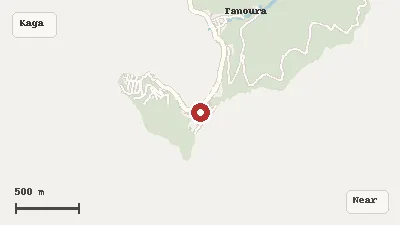
Twenty-Four Eyes Movie Village preserves a 1950s-style film set of wooden schoolhouses and shops on Shodoshima's southeast cape, created for screen adaptations of the classic story.
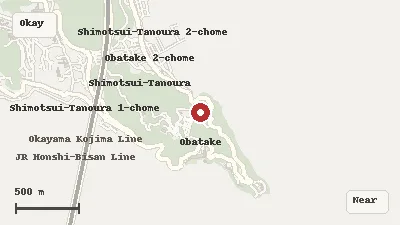
Washuzan Second Observation Deck is a free public viewpoint above the Seto Inland Sea, framing the Great Seto Bridge and island-dotted water from the Washuzan ridge near Kojima.
Bizan Park occupies Mount Bizan above Tokushima, with broad views over the city and Yoshino River and spring cherry blossoms adding a seasonal layer to the mountaintop park.
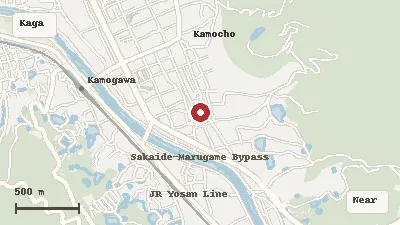
Gamou Udon is a long-running self-service Sanuki udon shop in Sakaide's Kamo district, known for simple bowls eaten outdoors amid the surrounding rice-field landscape.
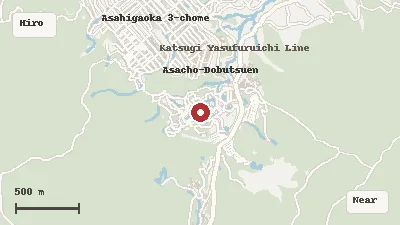
Hiroshima City Asa Zoological Park is a large zoo in northern Hiroshima with a broad collection of animals arranged across spacious grounds and naturalized hillside surroundings.
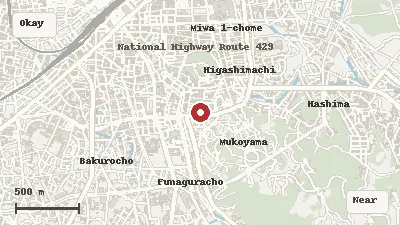
Kurashiki Ivy Square occupies an 1889 cotton-mill complex converted into an ivy-covered hotel, museum and event property beside Kurashiki's Bikan Historical Quarter and canals.
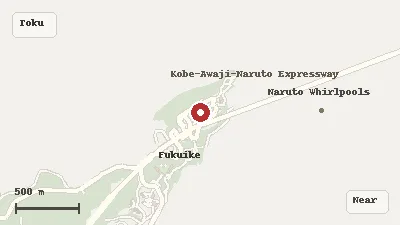
Naruto Park overlooks the Naruto Strait and its famous whirlpools, combining coastal viewpoints, walking routes and seasonal cherry blossoms around the bridge-side park landscape.
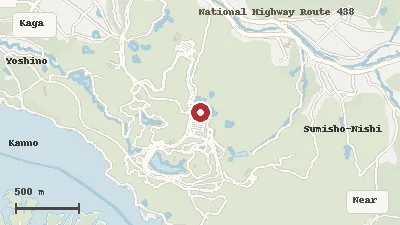
Sanuki Mannou Park is Shikoku's national government park, spread over hills above Mannou reservoir in Kagawa with broad flower meadows, camping areas and cycling facilities.
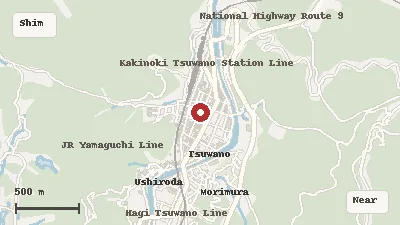
Taikodani Inari Shrine climbs the hillside above Tsuwano behind a long procession of vermilion torii gates, combining Inari worship with broad views across the historic castle town below.
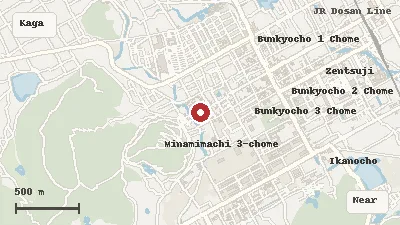
Zentsu-ji Temple in Kagawa is identified as the birthplace of Kōbō Daishi, founder of Shingon Buddhism, giving the active temple a direct connection to one of Japan's major Buddhist figures.
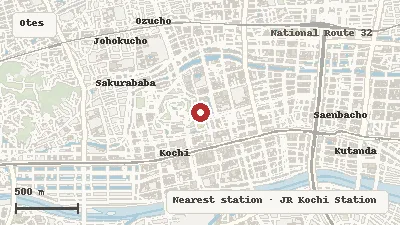
Kochi Sunday Market brings local produce, plants, household goods and prepared food onto Otesuji near Kochi Castle. The stalls make a weekly street market part of the city center rather than a separate shopping complex. Seasonal ingredients and foods such as sweet potato tempura give visitors a way into everyday tastes from the region.
Central Hiroshima: Hiroshima’s permanent Shueisha JUMP SHOP carrying official Weekly Shonen Jump merchandise.
A two-level GiGO on Hiroshima’s Hondori shopping route, with prize, purikura, driving, rhythm.
A station-front TAITO STATION in BIG FRONT Hiroshima beneath Bic Camera in Hiroshima Station.
Thanks for helping us improve. We have received your feedback.