
Why go
The pond’s scale is modest, but the clarity and saturated blue make the spring itself the entire subject. Its shrine setting adds a human frame to the geology, while the stable cool water gives the site a physical quality that is easy to notice without elaborate interpretation.
Field Notes
Beppu Benten Pond is a small spring with an unusually vivid visual effect, but its significance is easier to understand when it is placed within the geology of Akiyoshidai. Rainwater entering the limestone plateau moves underground through cracks and solution channels before returning to the surface at springs around the karst. Beppu Benten is one of those outlets. National tourism information describes water around fourteen degrees Celsius throughout the year, a depth of roughly four metres and a strong, dependable flow.
The blue or turquoise appearance changes with light, depth and viewing angle. Clear groundwater over a pale bottom produces the saturated color without any need for an artificial dye or a mysterious additive. The spring therefore works as a compact introduction to the wider Akiyoshidai system: caves, disappearing surface water and underground drainage are all part of the same limestone landscape. A sunny daytime visit can make the clarity and depth easier to appreciate, although no particular shade of blue is guaranteed.
The spring has also had practical value. Its steady cold water has been used for drinking and irrigation, and the flow has supported trout aquaculture nearby. In a karst landscape, where surface streams can vanish underground, a reliable spring becomes important to everyday settlement as well as to scenery. Official tourism material also notes the site’s recognition among notable Japanese water sources, reinforcing the idea that the pond is valued as groundwater, not simply as a photograph.
Beppu Itsukushima Shrine shares the precinct, adding a religious layer to the physical landscape. Local interpretation connects the water with Benzaiten, a deity often associated in Japan with water, music and fortune. A September observance forms part of the local calendar. Visitors should treat the shrine and pond as one small community setting: use normal shrine etiquette, avoid treating the water as a swimming or recreation site, and plan the stop as a short daylight visit rather than a long attraction day. The geology explains how the spring functions; the shrine and local traditions show how residents gave a dependable source of water cultural meaning over time.
Folklore & legends
A local tradition says that drinking the water of Beppu Benten is associated with longevity. Official tourism interpretation preserves this as part of the site’s folklore, but it should not be read as medical evidence that the spring literally extends life. The story makes sense within the history of a cold, dependable source of clear water that was important to the surrounding community. In the shrine setting, that practical benefit acquired a sacred frame, allowing the spring to be understood both as a karst feature and as a place with inherited religious meaning.
Planning Notes
Suggested time on site: 45–90 minutes. Keep travel and waiting time separate from that estimate.
Access reference: JR Mine Station; taxi about 20 minutes, or Shin-Yamaguchi bus to Akiyoshido then taxi. Check the final walking or connecting leg when choosing your route.
Location
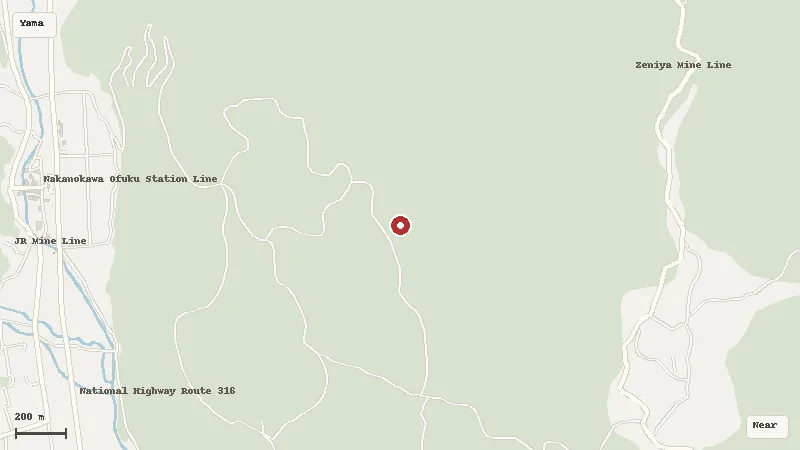
Map data © OpenStreetMap contributors