OkinawaPublic
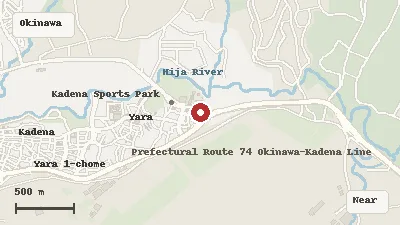
Roadside Station Kadena
Roadside Station Kadena combines a standard roadside-stop role with a rooftop observation gallery overlooking the runways of Kadena Air Base from a legal public vantage point.

EXPLORE BY PLACE + LENS
Search the interactive Places catalog for landmarks, local neighborhoods and unexpected stops by destination, Lens or keyword. Read Public guides and browse Preview introductions. A free account lets you filter your saved Public Favorites.
Looking for an editorial shortlist? Start with Japan Essentials, then use Discover to combine interests and refine your search.
No filters active.
Roadside Station Kadena combines a standard roadside-stop role with a rooftop observation gallery overlooking the runways of Kadena Air Base from a legal public vantage point.
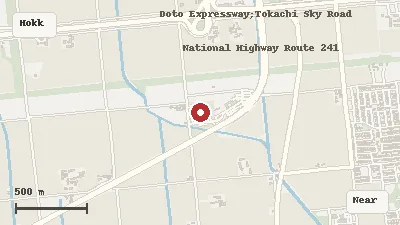
Ryugetsu Sweetpia Garden in Otofuke combines the confectioner's main factory with its flagship shop, including a viewing corridor that looks down onto parts of the sweets-production process.
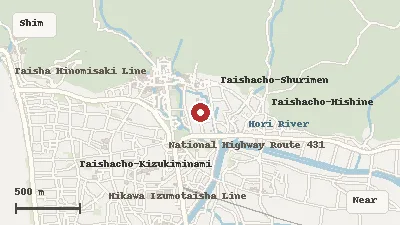
Shimane Museum of Ancient Izumo stands beside Izumo Taisha and interprets the archaeology, ritual history and mythology of ancient Izumo, Iwami and the Oki region through regional collections.
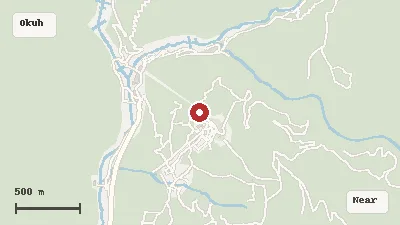
Shin-Hotaka Ropeway climbs from Okuhida toward the Northern Alps in two stages, with a double-deck gondola on the upper section. The journey changes the scale of the surrounding mountains before reaching the high viewpoint. Check both sections' operation and the weather before traveling, since cloud, wind and seasonal conditions can substantially change the experience.
Showa-no-Machi in Bungotakada revives a mid-20th-century shopping district through retro storefronts, small museums, cafés and local businesses arranged around the old town center.
Sugamo Jizo-dori is a roughly 780-meter shopping street on the former Nakasendo route, where Koganji temple, health-related devotion and around 200 local businesses shape the district.
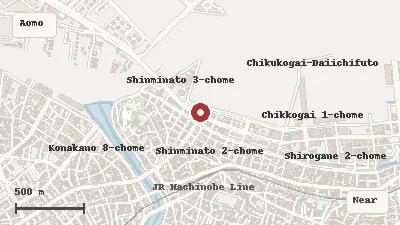
Tatehana Wharf Morning Market stretches along Hachinohe's fishing wharf as a large Sunday market, bringing seafood, produce and street food together in a working harbor environment.
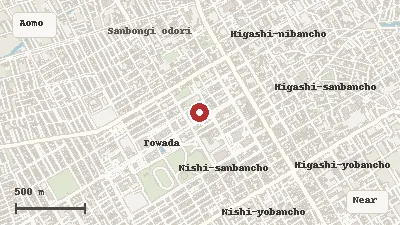
Towada Art Center, opened in 2008, uses individual rooms and outdoor spaces for site-specific contemporary works, integrating the museum with Towada's wider Art and Architecture district.
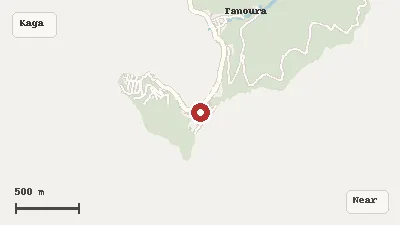
Twenty-Four Eyes Movie Village preserves a 1950s-style film set of wooden schoolhouses and shops on Shodoshima's southeast cape, created for screen adaptations of the classic story.
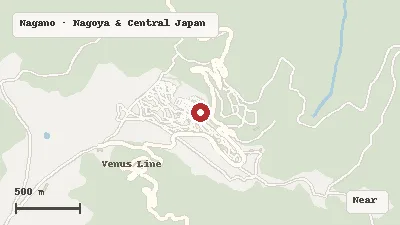
Utsukushigahara Open-Air Museum places large contemporary sculptures across the high Utsukushigahara plateau, using open sky, mountain weather and long views as part of the art setting.
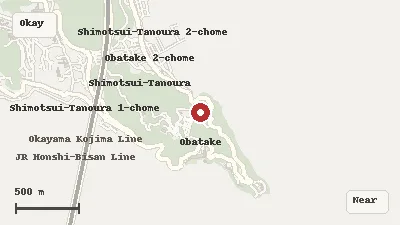
Washuzan Second Observation Deck is a free public viewpoint above the Seto Inland Sea, framing the Great Seto Bridge and island-dotted water from the Washuzan ridge near Kojima.
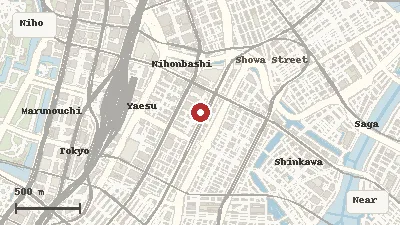
Pokémon Cafe TOKYO makes a meal part of a visit to Nihombashi, serving character-themed dishes and drinks inside Takashimaya's East Building. The setting combines playful food presentation with café merchandise. Advance reservations are required, and the current menu determines which Pokémon-inspired creations you can order.
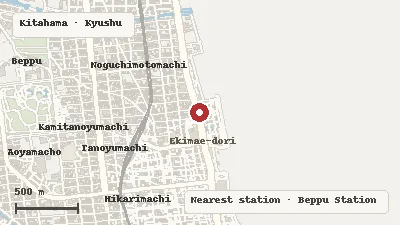
Beppu Tower offers a view of the city and bay from a steel landmark of Japan's postwar tourism era. Opened in 1957 and designed by Tachū Naitō, it belongs to the same tower-building tradition as several better-known urban observatories. Its waterfront setting puts Beppu's coastal geography at the center of the visit.
Dig through Mandarake's secondhand collector stock in Umeda.
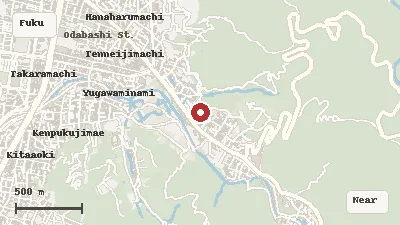
Aizu Bukeyashiki is an open-air museum centered on a full-scale reconstruction of chief retainer Saigo Tanomo's 38-room residence, with additional historic buildings on the grounds.
Akame 48 Waterfalls follows a forested gorge in Mie where a chain of waterfalls and pools unfolds along a hiking route through cool, wooded terrain and rocky stream corridors.
Explore Amemura's street fashion, music and murals around Sankaku Park.
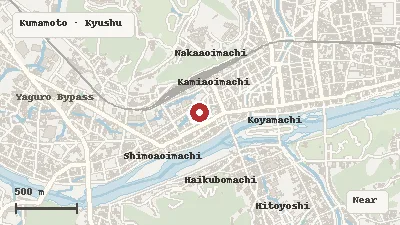
Aoi Aso Shrine in Hitoyoshi was founded in 806 and preserves a group of five designated National Treasures, including distinctive thatched-roof shrine buildings within its historic precinct.
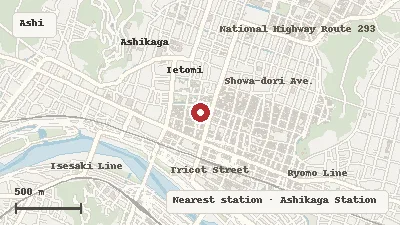
Ashikaga School preserves the setting of a historic center of learning associated with Chinese classics and Confucian study. Restored buildings and gardens help visitors picture its scholarly life, while the site's long history includes uncertainty about its earliest foundation. Read the present complex as a carefully interpreted historic place and combine it with the nearby old-town surroundings.
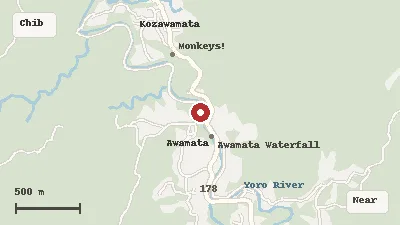
Awamata Falls is the largest waterfall in Chiba's Yoro Valley, spreading across a long sloping rock face rather than dropping in a single vertical plunge beside a riverside walking route.
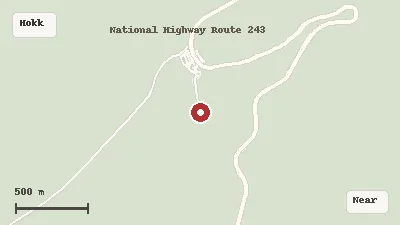
Bihoro Pass rises about 525 meters on Route 243 above Lake Kussharo, opening a wide view across the caldera lake toward Mount Shari and the Shiretoko ranges in clear weather.
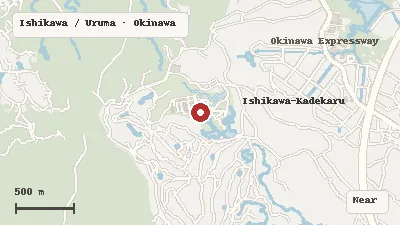
Bios no Oka combines cultivated orchids, subtropical woodland and a lake landscape in Uruma. Paths and guided lake-boat experiences offer different perspectives on the vegetation, with outdoor activities extending the family appeal. Choose the parts that fit the weather and your interests, checking current activity arrangements rather than assuming every experience is included or running.
Bizan Park occupies Mount Bizan above Tokushima, with broad views over the city and Yoshino River and spring cherry blossoms adding a seasonal layer to the mountaintop park.
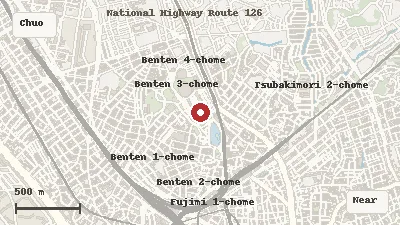
Chiba Park brings Watauchi Pond, open lawns and seasonal planting close to the city's central transport district. Its Oga lotus collection connects the landscape with plants revived from ancient seeds, giving the summer flowers a story beyond their appearance. Plan around the actual flowering season if lotus is the priority; the pond and wider park remain the basis of the walk.
Thanks for helping us improve. We have received your feedback.