KyotoPreview
Gekkeikan Ōkura Sake Museum
Explore Fushimi sake history at Gekkeikan's Ōkura museum.

EXPLORE BY PLACE + LENS
Search the interactive Places catalog for landmarks, local neighborhoods and unexpected stops by destination, Lens or keyword. Read Public guides and browse Preview introductions. A free account lets you filter your saved Public Favorites.
Looking for an editorial shortlist? Start with Japan Essentials, then use Discover to combine interests and refine your search.
Explore Fushimi sake history at Gekkeikan's Ōkura museum.
Explore thatched farmhouses above Gero Onsen.
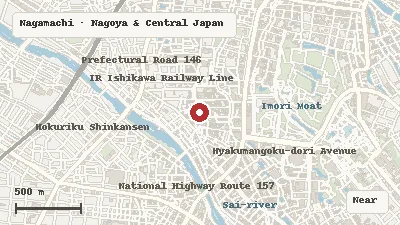
Nagamachi preserves the street pattern and atmosphere of a former samurai residential district in Kanazawa. Earthen walls, narrow lanes and canals reveal the boundaries of households once linked to the Kaga domain. Explore the public streets first, then choose individual residences or museums to enter; the district is a neighborhood with separate sites rather than one enclosed attraction.
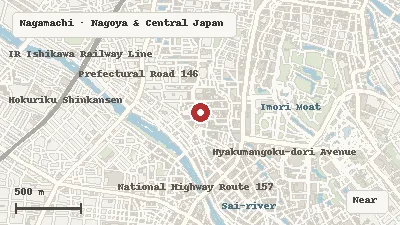
Nomura-ke opens one samurai household within Kanazawa's Nagamachi district to closer inspection. Interior rooms, displayed objects and a compact garden bring the scale of domestic life into focus after walking the neighborhood's walled lanes. Look at how the rooms frame the garden as well as at individual details to understand the relationship between the house and its setting.
Explore Owari Tokugawa treasures in Nagoya.
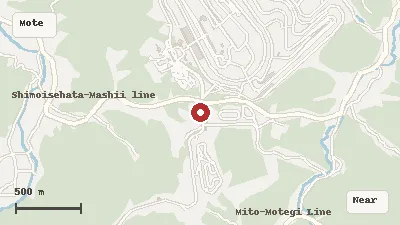
Honda Collection Hall at Mobility Resort Motegi brings motorcycles, road cars and competition machines into a story of Honda's engineering development. Seeing different vehicle types together reveals links between everyday mobility and racing. Follow the collection's historical sequence while allowing for changing displays, and plan the museum within the wider Motegi site's access arrangements.
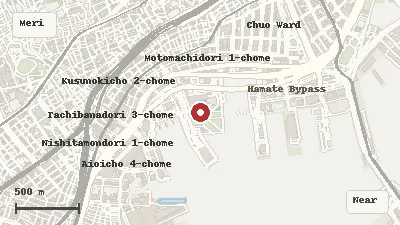
Kobe Maritime Museum places the port's history beneath a white roof that evokes sails on the Meriken Park waterfront. Ship models and maritime displays explain the activity behind the harbor scenery, while Kawasaki Good Times World shares the building with a broader industrial focus. Follow the subjects that interest you, then compare the exhibits with the working waterfront outside.
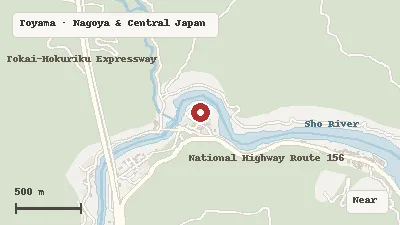
Suganuma is a compact Gokayama village of nine traditional gassho-zukuri farmhouses, preserving steep thatched architecture within a small mountain settlement rather than an open-air museum.
Explore Nintendo's cards, toys and games at its Uji museum.
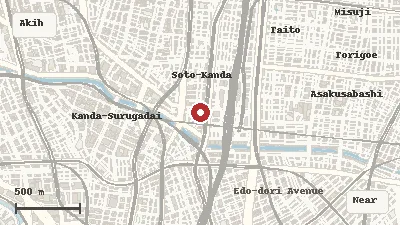
Super Potato Akihabara fills a specialist retro-game shop with used hardware, cartridges, boxed games and related collectibles. Browsing the shelves reveals how Japanese game packaging and consoles changed across generations. Treat it as an active retailer with variable stock, and check condition, language and hardware compatibility carefully if a particular game or console is the reason for visiting.
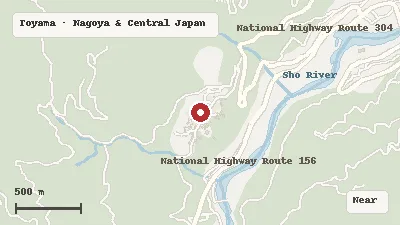
Ainokura is a working Gokayama hamlet of about twenty steep-thatched gassho-zukuri farmhouses on a terrace above the Sho River, preserving a compact mountain settlement pattern.
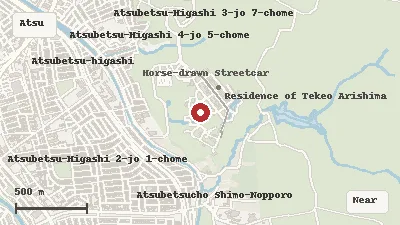
Historical Village of Hokkaido gathers relocated and reconstructed buildings into an open-air museum on Sapporo's eastern side. Town, farming and fishing settings show aspects of everyday life during the Meiji and early Showa periods. Compare homes with workplaces as you walk, remembering that the village assembles buildings from different communities rather than preserving one settlement in place.
Showa-no-Machi in Bungotakada revives a mid-20th-century shopping district through retro storefronts, small museums, cafés and local businesses arranged around the old town center.
Sugamo Jizo-dori is a roughly 780-meter shopping street on the former Nakasendo route, where Koganji temple, health-related devotion and around 200 local businesses shape the district.
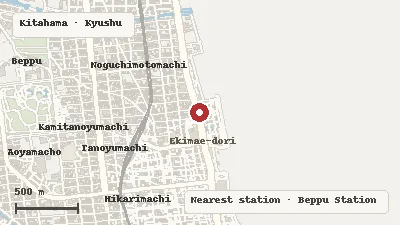
Beppu Tower offers a view of the city and bay from a steel landmark of Japan's postwar tourism era. Opened in 1957 and designed by Tachū Naitō, it belongs to the same tower-building tradition as several better-known urban observatories. Its waterfront setting puts Beppu's coastal geography at the center of the visit.
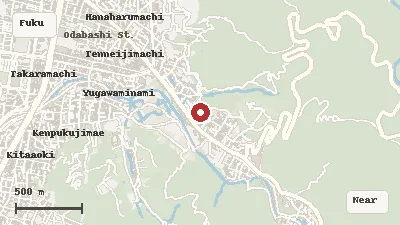
Aizu Bukeyashiki is an open-air museum centered on a full-scale reconstruction of chief retainer Saigo Tanomo's 38-room residence, with additional historic buildings on the grounds.
Explore Amemura's street fashion, music and murals around Sankaku Park.
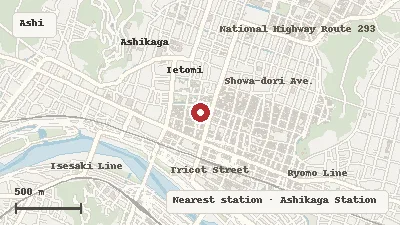
Ashikaga School preserves the setting of a historic center of learning associated with Chinese classics and Confucian study. Restored buildings and gardens help visitors picture its scholarly life, while the site's long history includes uncertainty about its earliest foundation. Read the present complex as a carefully interpreted historic place and combine it with the nearby old-town surroundings.
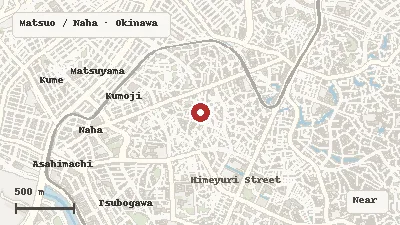
First Makishi Public Market brings Okinawan food shopping and dining together in central Naha. Browse the ground-floor fresh-food stalls, then explore the upstairs eateries. The market's ingredient-to-kitchen service offers another way to taste the produce, with eligible purchases prepared by participating restaurants under their own conditions.
Walk Fukushūen's pavilions and ponds in Naha.
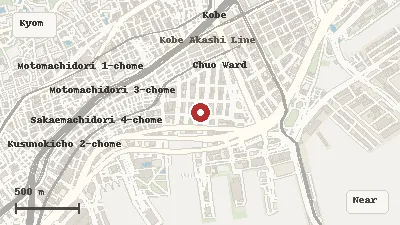
Kobe City Museum occupies a former bank building in the old foreign settlement, giving its collections an architectural connection to the city's international past. Archaeology, maps and works associated with cultural exchange trace relationships extending beyond the modern port. Check the current exhibition program, then look at the surrounding streets as another part of that history.
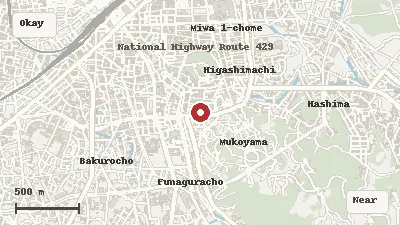
Kurashiki Ivy Square occupies an 1889 cotton-mill complex converted into an ivy-covered hotel, museum and event property beside Kurashiki's Bikan Historical Quarter and canals.
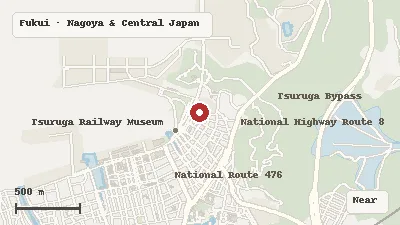
Tsuruga Red Brick Warehouse preserves two 1905 waterfront warehouses, now reused for restaurants and a railway diorama that reflects the port city's long rail and maritime transport history.
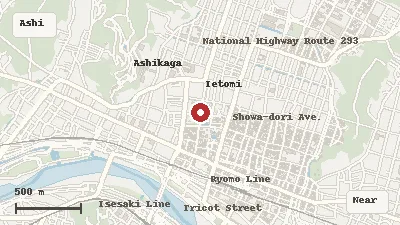
Banna-ji Temple occupies the former Ashikaga clan residence, whose moat and earthen banks still outline the precinct. Within that fortified setting stands a main hall designated a National Treasure. The combination makes this central Ashikaga temple a place to see how a warrior family's residence developed into a religious site.
Thanks for helping us improve. We have received your feedback.