HokkaidōPreview
Farm Tomita
Lavender heritage and changing flower fields across Farm Tomita's Nakafurano slope.

EXPLORE BY PLACE + LENS
Search the interactive Places catalog for landmarks, local neighborhoods and unexpected stops by destination, Lens or keyword. Read Public guides and browse Preview introductions. A free account lets you filter your saved Public Favorites.
Looking for an editorial shortlist? Start with Japan Essentials, then use Discover to combine interests and refine your search.
Lavender heritage and changing flower fields across Farm Tomita's Nakafurano slope.
Kushiro's katte-don market, where seafood is chosen stall by stall.
A narrow covered seafood market immediately beside Otaru Station.
Clear spring water, wooded paths and small cascades at the foot of Mount Yotei.
A historic Otaru port canal lined with reused warehouses and a public promenade.
See Furano dairy production and sample cheese at the factory.
Look out over the Pacific from Muroran's Cape Chikyu.
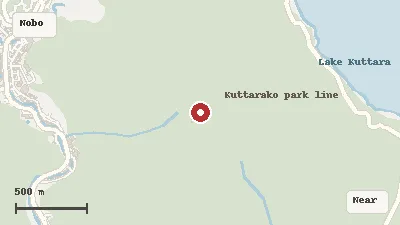
Noboribetsu Bear Park occupies a mountain setting reached by ropeway from the hot-spring town. Its main focus is captive brown bears, with exhibits that introduce their lives and Hokkaido connections. The ascent and upper viewpoints add a landscape element, although views depend on weather; plan it as an animal attraction above the onsen district, not a wild-bear excursion.
Explore Abashiri's drift-ice exhibits on Mount Tento.
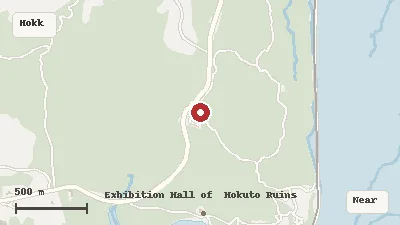
Kushiro Wetland Observatory overlooks the immense Kushiro wetlands and provides an accessible base for understanding the region’s wildlife, marsh ecology and surrounding walking routes.
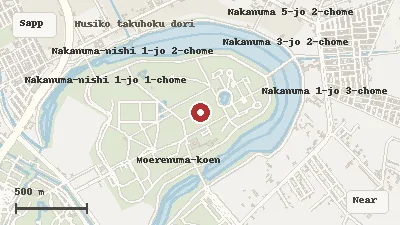
Moerenuma Park treats a large former landfill on Sapporo's edge as a single sculptural landscape conceived by Isamu Noguchi. Geometric hills, broad open ground and a glass pyramid give the park a scale unlike a conventional ornamental garden. Choose a route between its major forms and allow for the distances, with seasonal facilities checked separately.
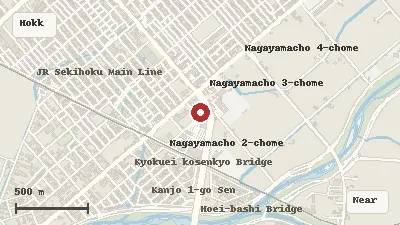
Asahikawa Ramen Village is a purpose-built dining complex opened in 1996, bringing eight independent ramen shops together in one Nagayama destination devoted to Asahikawa’s local ramen culture.
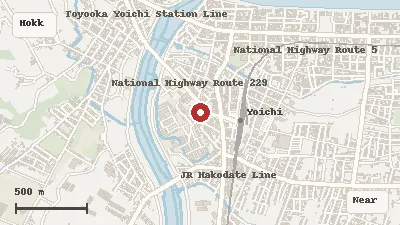
Nikka Whisky Yoichi Distillery was founded in 1934 by Masataka Taketsuru and preserves a historic Hokkaido distilling campus where traditional direct coal-fired pot stills remain central.
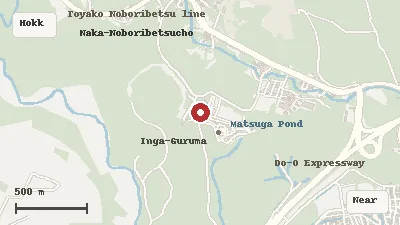
Noboribetsu Date Jidaimura is an Edo-period historical theme park where reconstructed streets, traditional crafts and staged samurai performances turn period culture into an immersive visit.
Explore Sapporo PARCO's shops near Odori.
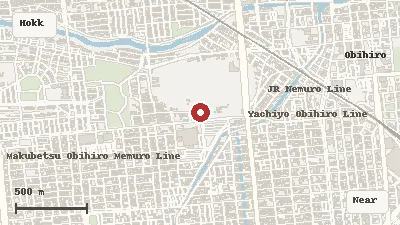
Banei Tokachi at Obihiro Racecourse preserves the unusual Ban'ei racing tradition, where massive draft horses pull weighted sleds over sand hills along a straight two-hundred-meter course.
Hachiman-Zaka is a broad tree-lined slope in Hakodate's Motomachi district, descending in a straight visual axis toward the port and the preserved ferry Mashu-maru on the waterfront.
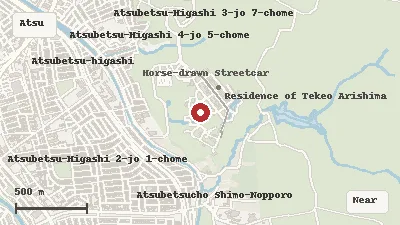
Historical Village of Hokkaido gathers relocated and reconstructed buildings into an open-air museum on Sapporo's eastern side. Town, farming and fishing settings show aspects of everyday life during the Meiji and early Showa periods. Compare homes with workplaces as you walk, remembering that the village assembles buildings from different communities rather than preserving one settlement in place.
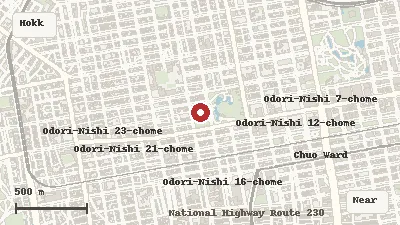
The Hokkaido Museum of Modern Art in Sapporo presents modern and contemporary collections with particular attention to artists connected to Hokkaido alongside changing exhibitions.
Odori Park forms a roughly 1.5-kilometer green corridor through central Sapporo, serving as everyday public space and the setting for major seasonal events including the Snow Festival.
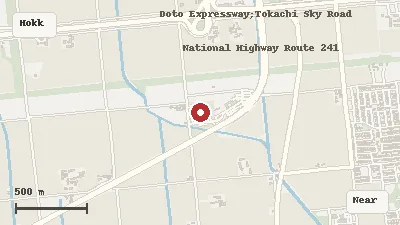
Ryugetsu Sweetpia Garden in Otofuke combines the confectioner's main factory with its flagship shop, including a viewing corridor that looks down onto parts of the sweets-production process.
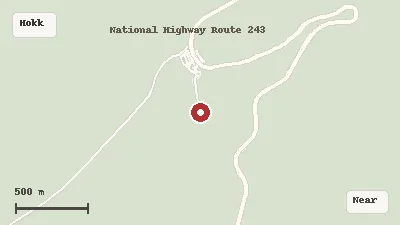
Bihoro Pass rises about 525 meters on Route 243 above Lake Kussharo, opening a wide view across the caldera lake toward Mount Shari and the Shiretoko ranges in clear weather.
Mount Hakodate rises about 334 meters above the city, with a summit viewpoint looking down the narrow isthmus between two bodies of water and across Hakodate's night skyline.
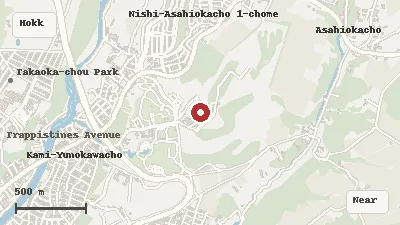
Our Lady of the Angels Trappistine Abbey, founded in Hakodate in 1898, was Japan's first contemplative convent for women and remains an active Cistercian monastery in the city's eastern hills.
Thanks for helping us improve. We have received your feedback.