TōhokuPreview
Tsuruga Castle
Explore the Aizu story through Tsuruga Castle's museum keep, red-tiled roofline and surrounding defenses.


Tōhoku
Build a Tōhoku route from curated places, then use each guide’s practical context to decide what belongs in the itinerary.
Explore the Aizu story through Tsuruga Castle's museum keep, red-tiled roofline and surrounding defenses.
Walk Ouchi-juku's thatched post-town street and see how a historic route has become a living village destination.
Browse Hachinohe seafood stalls, then consider grilling a market purchase.
Climb through Hiraizumi's woods to Chūson-ji's gilded Konjikidō.
Explore Sanriku's sea life at Sendai Umino-Mori Aquarium.
Watch the large circular jellyfish display at Kamo Aquarium.
See Hirosaki's historic keep from the park during stone-wall work.
Stand beside full-size Nebuta floats at Aomori's WA RASSE museum.
A long-running Iwate farm landscape with public activities beneath the mountains.
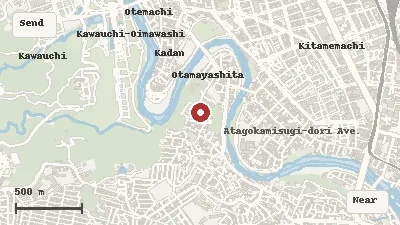
Zuihoden stands on a wooded Sendai hillside as the mausoleum of Date Masamune. Ornate reconstructed architecture and nearby memorials to later Date lords connect the site with the domain's ruling family. Read the buildings as postwar reconstructions of a lost complex while appreciating the continuing memorial purpose of the grounds.
Aomori's nokke-don market, built around choosing seafood toppings from individual stalls.
A historic hilltop shrine precinct overlooking Shiogama's harbor area.
See Zuiganji's Date-era halls and temple treasures in Matsushima.
Walk Genbikei's river paths and look across the rocky gorge.
Browse seafood and stop for a meal at Matsushima Fish Market.
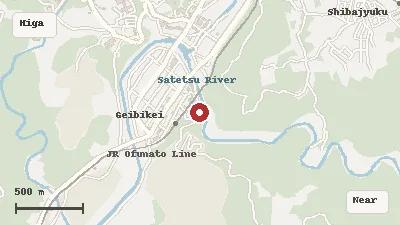
Geibikei Gorge is experienced from the Satetsu River, where flat-bottomed boats pass between high limestone walls. Looking upward from the water gives the narrow valley its particular scale and sense of enclosure. Check the boat operator's current departures and river conditions before traveling, and take care to distinguish Geibikei from nearby Ichinoseki's differently named Genbikei Gorge.
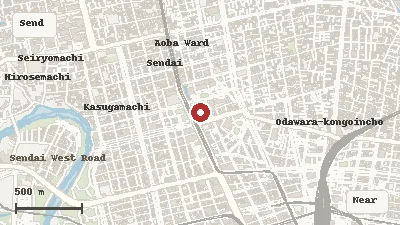
Kotodai Park sits among Sendai's civic buildings, linking planted grounds with plazas used for public gatherings. A walk through it reveals the everyday city as well as its event spaces, with Jozenji-dori and central shopping streets nearby. Check the local calendar if a market or festival is part of the appeal, since those uses change with the day.
Browse Sendai PARCO's station-side shops and dining.
See Ōsaki Hachimangū's ornate Date-era sanctuary.
Walk Sakata's Sankyo rice warehouses beneath zelkova trees.
Visit Sukayu's timber bathing hall in the Hakkoda mountains.
See regional and contemporary work at Aomori Museum of Art.
Circle Motsu-ji's Heian Pure Land pond garden.
See Akiu Great Falls from the overlook or lower path.
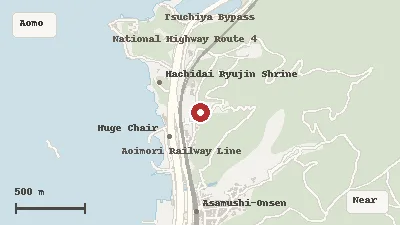
Aomori Prefectural Asamushi Aquarium, opened in 1983, focuses strongly on northern marine life, with a Mutsu Bay tunnel tank and separate facilities for dolphins and other marine mammals.
See Kabushima Shrine and its seasonal gull colony.
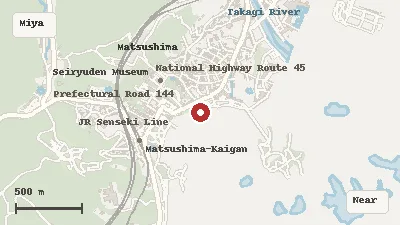
Godaido stands on a tiny island in Matsushima Bay, reached by a red openwork bridge whose deliberate gaps slow the crossing before visitors reach the compact, ornately carved temple hall.
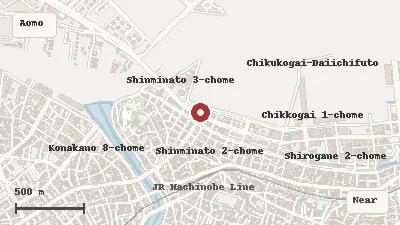
Tatehana Wharf Morning Market stretches along Hachinohe's fishing wharf as a large Sunday market, bringing seafood, produce and street food together in a working harbor environment.
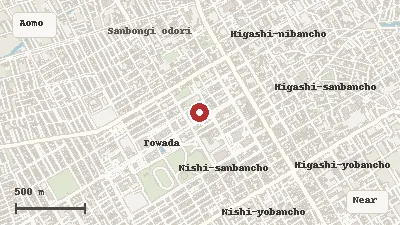
Towada Art Center, opened in 2008, uses individual rooms and outdoor spaces for site-specific contemporary works, integrating the museum with Towada's wider Art and Architecture district.
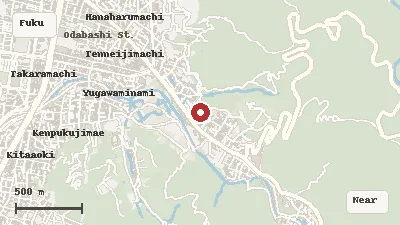
Aizu Bukeyashiki is an open-air museum centered on a full-scale reconstruction of chief retainer Saigo Tanomo's 38-room residence, with additional historic buildings on the grounds.
A broad-mix central Sendai GiGO in the Sankei 60 Building, serving prize, music; a stop in Aoba / Chuo.
An Ichibancho branch open from 09:00 to midnight, with crane, purikura, driving, shooting.
Thanks for helping us improve. We have received your feedback.