Search the interactive Places catalog for landmarks, local neighborhoods and unexpected stops by destination, Lens or keyword. Read Public guides and browse Preview introductions. A free account lets you filter your saved Public Favorites.
Looking for an editorial shortlist? Start with Japan Essentials, then use Discover to combine interests and refine your search.
Kokusai-dori links the prefectural-office area with Makishi through central Naha. Souvenir shops, restaurants and music venues line the route, while side streets lead into covered shopping arcades and the market area. Use the avenue as a starting point for exploring Naha's commercial center, allowing time to turn off the main street.
Japan EssentialsFashion & Street CultureRetro JapanMusic & Nightlife
Shinsaibashi-Suji is a covered shopping corridor through Osaka's Minami district, mixing fashion stores and larger retailers with established specialist shops. Its linear layout lends itself to browsing on foot between the Shinsaibashi and Namba areas. Check individual businesses if you have a specific purchase in mind; the arcade does not operate as a single store.
Japan EssentialsFashion & Street CultureRetro Japan
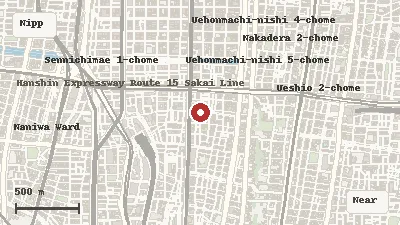
Kuromon Ichiba brings seafood, produce, meat specialists and places to eat into a covered market in Osaka's Nipponbashi district. Its appeal lies in seeing food retail alongside prepared dishes, rather than treating the whole arcade as one restaurant. Browse individual businesses and use the market as a focused food stop in the Namba area.
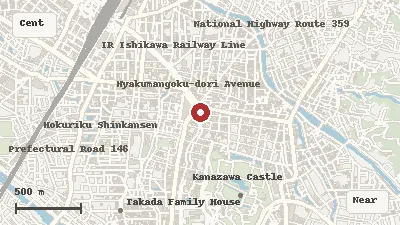
Omicho Market brings Kanazawa's seafood and produce trade into a central network of food stalls, shops and small restaurants. The connection with Sea of Japan seafood gives it a different focus from the city's teahouse districts. Allow time to look at the ingredient counters as well as choosing somewhere to eat.
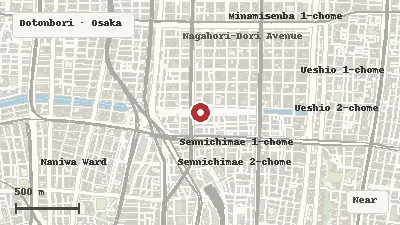
The Glico Sign's raised-arms runner is a specific landmark above Osaka's Dotonbori canal. Ebisubashi provides a familiar viewpoint for the billboard, making this a short photography stop within a larger district walk. Keep space for other bridge users and continue along the waterfront once you have taken in the sign.
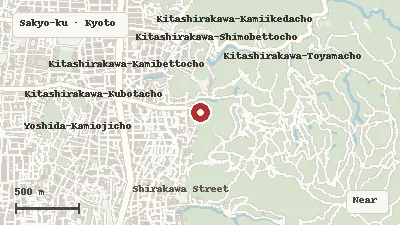
Ginkaku-ji brings the Silver Pavilion, sculpted sand and mossy hillside paths together at the edge of Kyoto's eastern hills. The pavilion's dark exterior is part of its character; the name does not describe a silver-covered building. Follow the garden circuit for changing views of the temple, then continue toward the Philosopher's Path if a longer walk appeals.
Retro Japan
From ¥1,000About 30 minutes for the usual garden visit; special building openings are separate
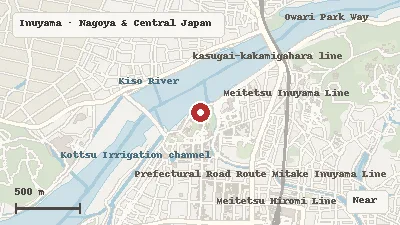
Inuyama Castle's surviving wooden keep stands above the Kiso River, giving the visit a focus on original structure as well as the setting. Inside, steep stairs and low beams make the physical experience part of the attraction. Consider those interior conditions when deciding whether to explore the keep or concentrate on the surroundings.
Retro Japan
Check official information30–40 minutes for the castle visit, plus any queue; busy dates can add over an hour
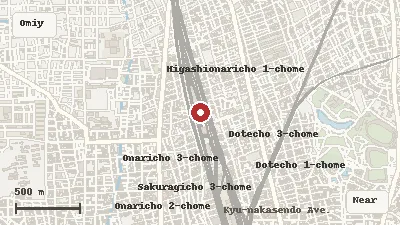
The Railway Museum in Omiya places historic rolling stock alongside displays about railway science and the people who operate the network. The vehicles give the visit its scale, while the work and technology galleries explain what keeps trains running. Choose a balance between looking at trains and exploring the systems behind them.
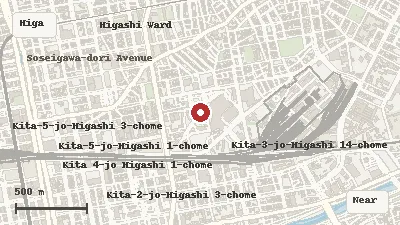
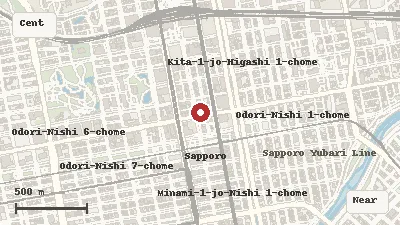
Sapporo Beer Museum follows the city's brewing history inside a red-brick industrial landmark. Displays connect the Sapporo brand with Hokkaido's development and changing beer culture, while the historic building gives that story a physical setting. Treat the galleries as the main visit, with an optional tasting or a separate Beer Garden meal extending the stop.
Retro Japan
From ¥1,00015–40 minutes self-guided; 55 minutes for a guided tour, including tasting
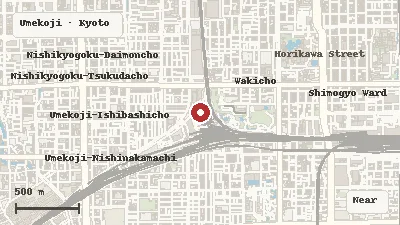
Kyoto Railway Museum sets steam locomotives and Shinkansen vehicles beside the historic Umekoji roundhouse and turntable. The maintenance buildings help explain how the preserved trains were operated, while nearby active lines connect the collection with today's railway. Allow time for both the vehicles and the working-system displays; individual experiences follow their own programs.
Sapporo Clock Tower preserves a wooden building from the city's early Agricultural College. Inside, displays explain the college, the growth of Sapporo and the workings of a mechanical tower clock. Looking through the exhibits adds context to the familiar exterior photograph and makes this a focused stop for understanding the city's Meiji-era beginnings.
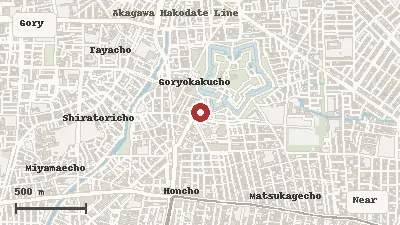
From Goryōkaku Tower, Hakodate's star-shaped fort becomes readable as a complete pattern of earthworks and water. The observation floors also interpret the fort's history, giving the panorama more context than a city view alone. Pair the elevated perspective with a walk through Goryōkaku Park to see how the same defensive landscape feels at ground level.
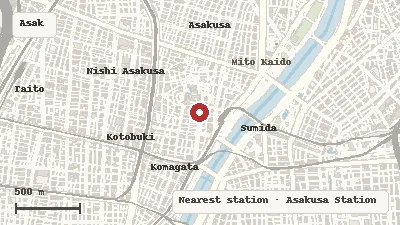
Nakamise-dori forms the shopping approach from Kaminarimon toward Sensō-ji in Asakusa. Small storefronts offer sweets, souvenirs and crafts along the route, making the temple approach a browse in its own right. Allow room for both shoppers and people heading to the temple, and distinguish a daytime shopping visit from a walk after individual stores have closed.
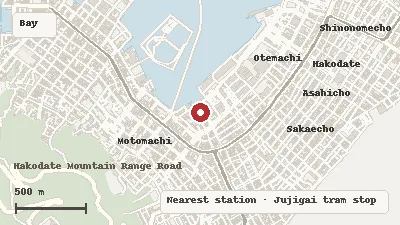
Hakodate's Kanemori Red Brick Warehouse complex puts former port buildings to use as shops, restaurants and cultural spaces. The brick façades and waterfront setting still reveal the area's commercial past as you move between contemporary businesses. Combine an exterior walk with whichever interiors interest you, leaving room to explore the adjoining bay district.