Search the interactive Places catalog for landmarks, local neighborhoods and unexpected stops by destination, Lens or keyword. Read Public guides and browse Preview introductions. A free account lets you filter your saved Public Favorites.
Looking for an editorial shortlist? Start with Japan Essentials, then use Discover to combine interests and refine your search.
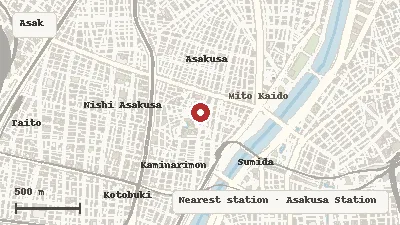
Sensō-ji anchors Asakusa's temple precinct beyond Kaminarimon and Nakamise. Its Kannon foundation story dates to the seventh century in temple tradition, while the present-day approach combines worship with a busy shopping street.
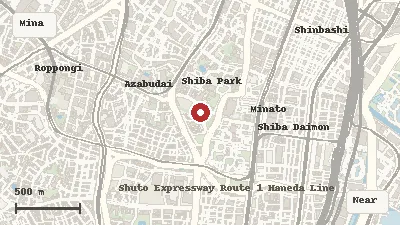
Tokyo Tower opened in 1958 as a broadcasting landmark and now offers observation decks above Shibakoen. Its steel silhouette and changing illumination provide a different Tokyo view by day and after dark.
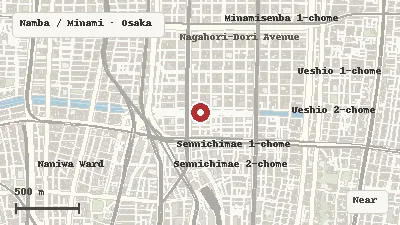
Dotonbori concentrates Osaka's restaurant signs, canal views and entertainment streets around the Dotonbori River. Start with the waterfront and Ebisubashi, then use the adjoining streets to explore places to eat. The district is a broader walking-and-dining stop than the individual Glico Sign viewpoint, which sits within it.
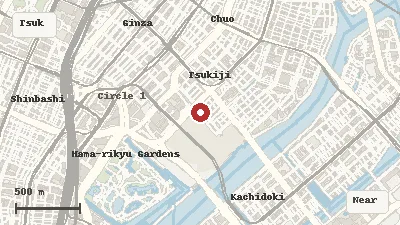
Tsukiji Outer Market is the food-shopping district that remains at Tsukiji after the wholesale market's move to Toyosu. Its lanes bring together seafood, dried ingredients, kitchenware and places to eat. Browse the specialist shops as well as the restaurant counters, and check individual opening days before making a particular business the reason for your trip.
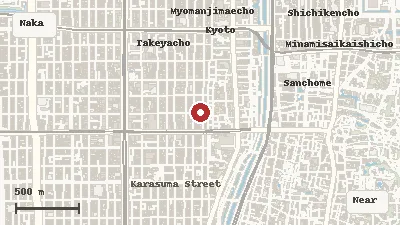
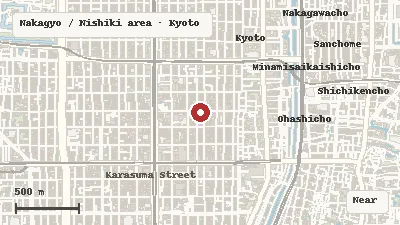
Kyoto's Nishiki Market gathers pickle sellers, seafood specialists, sweets and cooking supplies along a covered shopping street. It is a place to browse ingredients as well as prepared food. Follow the market association's request to eat at the shop where you buy food instead of walking with it through the narrow arcade.
Explore Yokohama Chinatown through regional cooking, colourful gates and community temples, leaving time for the quieter streets between its busy dining routes.
Japan EssentialsFashion & Street CultureRetro JapanFolklore & Legends
Move between Shinjuku Gyoen’s open lawns, formal garden and pond-side paths, with greenhouse collections and historic buildings adding variety to the walk.
Visit Yasaka Shrine between Gion’s streets and the Higashiyama landscape, taking time to see the religious setting behind Kyoto’s Gion Matsuri traditions.
SAMURAI NINJA MUSEUM KYOTO introduces warrior history through displays of armor and weapons, guided explanation and hands-on activities. The experience-led format is the reason to choose it, rather than expecting a preserved samurai residence. Check which activities are included in the program you book before fitting it into a central-Kyoto day.
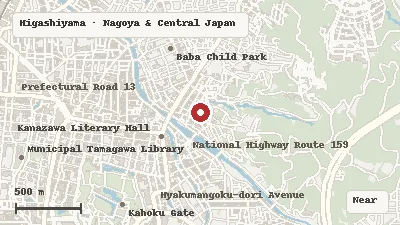
Wooden teahouse façades give Kanazawa's Higashi Chaya District its distinctive streetscape. The area's connection with traditional entertainment is best explored by combining a street walk with a building or venue that explicitly welcomes visitors. Allow time to look at the latticework and building fronts without assuming every historic doorway is open to the public.
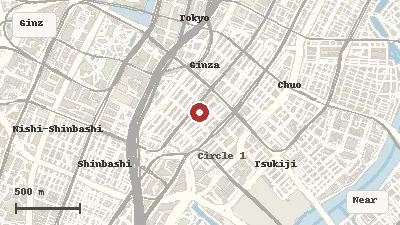
GINZA SIX combines luxury retail with contemporary art, dining and a rooftop garden on Ginza's Chuo-dori. The Kanze Noh Theatre adds a separate performing-arts destination within the complex. Decide whether your visit is for shopping, the building's public spaces or a performance, since each calls for a different plan.
Japan EssentialsFashion & Street CultureRetro Japan