Osaka Castle
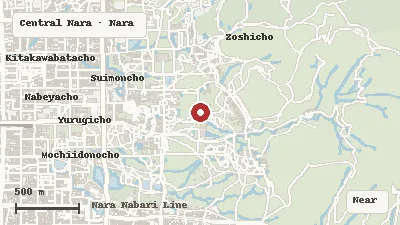
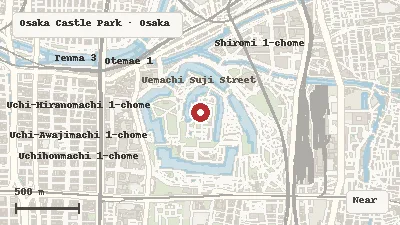
Osaka Castle's present great keep rises above moats and massive stone walls in Osaka Castle Park. The site carries Toyotomi and Tokugawa history, while the current tower is a twentieth-century reconstruction housing exhibitions.
UNMAPPED JAPAN / LENS
Build a route around places connected to folklore and legends. This Lens helps compare physical stops by destination, while the Mythology library keeps story-first reading separate.
Use this Lens to find physical stops tied to folklore and legends. Keep story reading in Mythology and use the exact-place guides for route decisions.
Use Discover to search the Places catalog by destination, Lens and keyword.
87 active places in this lens
Osaka Castle's present great keep rises above moats and massive stone walls in Osaka Castle Park. The site carries Toyotomi and Tokugawa history, while the current tower is a twentieth-century reconstruction housing exhibitions.
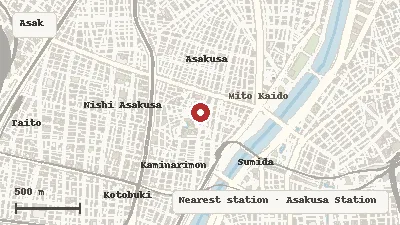
Sensō-ji anchors Asakusa's temple precinct beyond Kaminarimon and Nakamise. Its Kannon foundation story dates to the seventh century in temple tradition, while the present-day approach combines worship with a busy shopping street.

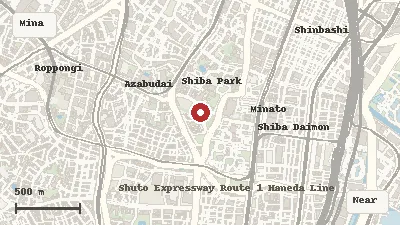
Tokyo Tower opened in 1958 as a broadcasting landmark and now offers observation decks above Shibakoen. Its steel silhouette and changing illumination provide a different Tokyo view by day and after dark.

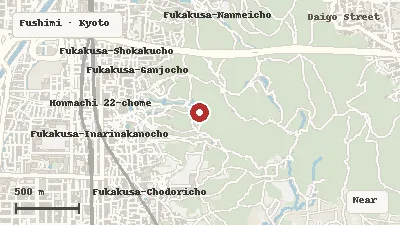
Fushimi Inari Taisha's torii-lined paths climb Mount Inari from the main shrine complex. Fox figures and smaller shrines mark the route through the wooded slopes.

Nara Park brings free-roaming deer into a landscape of lawns, old roads and major temple and shrine precincts. The deer's special standing reflects Kasuga shrine tradition.

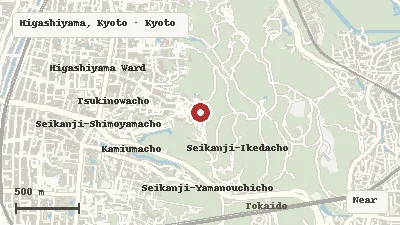
Kiyomizu-dera's wooden stage projects from the hillside above eastern Kyoto. The temple's Kannon devotion and the waters of Mount Otowa shape its history and name.
Follow Himeji Castle’s winding defences towards its white-walled wooden keep, where the architecture is as compelling from within as from the city below.
Walk beneath Meiji Jingu’s trees towards the shrine, experiencing a deliberately planted memorial forest alongside a living place of Shinto worship.
Explore Yokohama Chinatown through regional cooking, colourful gates and community temples, leaving time for the quieter streets between its busy dining routes.
Visit Dazaifu Tenmangū for its wooded shrine grounds, plum-tree traditions and enduring connection with learning, poetry and the arts.
Explore Oshino Hakkai’s spring ponds for clear water, village paths and a connection with the wider landscape of Mount Fuji pilgrimage.
Explore Nijō Castle’s palace rooms and gardens, looking at how paintings, carved details and the order of spaces expressed shogunal power.
Follow Itsukushima Shrine’s covered corridors beside the tidal bay, where changing water levels transform the relationship between buildings, torii and shore.
Link Ueno’s museums with a walk through the park’s historic sites and down towards Shinobazu Pond, choosing a few stops rather than rushing every institution.
Visit the Atomic Bomb Dome as a preserved witness to Hiroshima’s destruction and the long effort to carry its memory into a peaceful future.
Explore Nikkō Tōshōgū’s richly decorated buildings, from Yōmeimon’s crowded carvings to the familiar monkeys and sleeping cat within the shrine complex.
Explore Izumo Taisha’s approaches and shrine precinct for monumental architecture, sacred ropes and a living tradition concerned with the relationships between people.
Visit Yasaka Shrine between Gion’s streets and the Higashiyama landscape, taking time to see the religious setting behind Kyoto’s Gion Matsuri traditions.
Cross the Uji Bridge towards Naikū’s wooded precinct, where the Isuzu River, shrine approach and tradition of renewal shape the experience of Ise Jingū.
See Kamakura’s Great Buddha at Kōtoku-in, where the open-air setting makes the sculpture’s scale, form and weathered surface unusually direct.
Explore Matsumoto Castle’s timber keep and moat-side setting, looking for the contrast between defensive spaces and the more open moon-viewing wing.
Explore Shurijo’s hilltop gates and Ryukyuan heritage, checking the restoration-stage visitor route and the announced reopening arrangements for the main hall.
Enter Tōdai-ji’s Great Buddha Hall, then look beyond its immense scale to the sculpture, architecture and wider temple precinct around it.
Choose a few galleries and look closely at the objects behind Japan's artistic, religious and historical traditions.
Follow Kamakura's shrine approach from the ponds to the great stair, with the Minamoto story close at hand.
Follow Nagano's pilgrimage approach to a temple whose most important image is deliberately kept from view.
Pause beside Shibuya's famous meeting point and the story of the dog remembered there.
Find an active neighborhood shrine where Edo traditions and Akihabara's contemporary culture share the grounds.
See Kumamoto's restored towers and the ongoing work of rebuilding a much larger castle landscape.
Follow Yokohama's harbor edge, pausing at monuments that connect a gentle park walk with the city's past.
Explore Kobe's Chinese food traditions around Nankinmachi's gates, shops and central square.
Follow the wooded approaches of Atsuta Jingu and discover the traditions behind its celebrated sword association.
Discover Ise's Outer Shrine through its wooded approaches and the traditions of sacred food offerings.
See how Lake Chuzenji's water leaves the plateau, from an upper view or the lower observation area.
Look beyond Toji's pagoda to the sculptural mandala that makes its Buddhist teaching visible within the Lecture Hall.
Follow the wooded shrine approach above Lake Ashi, then place the lakeside torii within Hakone's religious landscape.
Follow Narita's temple approach into a living pilgrimage complex centered on devotion to Fudo Myoo.
See Takachiho's rock walls and Manai Falls from the walking route, or arrange a boat trip when river conditions allow.
Walk Ouchi-juku's thatched post-town street and see how a historic route has become a living village destination.
Encounter the scale and individual detail of Sanjusangendo's 1,001 Kannon figures inside a long Kyoto temple hall.
Explore Hiroshima Castle's surviving site and reconstructed exteriors, with the main keep now closed to entry.
Study the pond, rocks and borrowed mountain scenery that give Tenryuji's garden its depth.
Discover Kitano Tenmangu through its learning traditions, ornate buildings and seasonal gardens.
Look closely at Namba Yasaka's lion-head stage, an extraordinary structure within a neighborhood shrine.
Walk Tottori's coastal dunes for wind-shaped sand and a wide view toward the Sea of Japan.
Climb Hase-dera's garden terraces to the Kannon hall and sea-facing outlook.
Follow the wooded approach to Hokkaidō Jingū beside Sapporo's Maruyama Park.
Walk Kōrakuen's ponds and lawns, with Okayama Castle joining the garden views.
A sea-facing cliff gives Naha's Naminoue Shrine its distinctive sacred setting.
Walk among sculpture against Hakone's mountains, then explore indoor art displays.
Follow lanterns and forest paths toward Kasuga Taisha's vermilion halls.
Explore an original 1611 castle keep and its moated Matsue setting.
Enter Shimogamo Shrine through Tadasu-no-Mori's wooded Kyoto approach.
Learn about Sagami's Samukawa Shrine and its happō-yoke prayer tradition.
Explore Kashima Jingū's wooded precinct and Takemikazuchi traditions.
Find the Hakata shrine at the center of Yamakasa's float traditions.
See Sakurajima framed by the Shimadzu garden, then trace Satsuma's industrial story.
Cross Sorihashi and see Osaka's maritime shrine and four main sanctuaries.
Look up at Ushiku's immense Buddha, then explore its interior and grounds.
Follow Katsuo-ji's hillside paths dotted with red victory daruma.
Enter Kirishima Jingū's wooded precinct beneath the volcanic mountains.
Visit Osaka's Prince Shōtoku temple and its enduring Buddhist precinct.
Search Nakano Broadway's upper floors for manga, figures and niche finds.
See the blue steam of Umi Jigoku on Beppu's geothermal circuit.
Climb through Hie Shrine's torii to a Tokugawa-linked Tokyo precinct.
Follow Kawasaki Daishi's temple approach and its Kōbō Daishi tradition.
Trace Fujiwara history through Kōfuku-ji's Nara precinct and Buddhist art.
Walk Ninenzaka's stone slope through Kyoto's Higashiyama lanes.
Follow Katori Jingū's wooded approach and Futsunushi traditions.
Follow the lantern-lined steps into Kifune's water-shrine valley.
A reconstructed keep and old moat trace Kokura's castle-town history.
See a Zen gate, garden and canal aqueduct in one eastern Kyoto precinct.
See Tokugawa temple history beneath Tokyo Tower at Zōjō-ji.
See the rope-bound Meoto Iwa rocks beside Futami's sea-facing shrine.
Find Ikuta Shrine and its woodland behind central Sannomiya.
Explore Mishima Taisha's grounds and its Izu warrior history.
Pause at Osu Kannon before entering Nagoya's lively shopping lanes.
See Tenjin study prayers and plum traditions at Yushima Tenmangū.
See iron-red Chinoike Jigoku on Beppu's geothermal route.
See varied steaming pools at Beppu's Kamado Jigoku.
See the sacred 133-meter Nachi Falls in Kumano's shrine landscape.
Browse official character shops beneath Tokyo Station's Yaesu side.
Walk Toei's renewed Edo-style streets and check the day's shows.
See Gōtoku-ji's beckoning-cat offerings in a working temple precinct.
See Ōarai's sea-facing torii and coastal shrine tradition.
See Tottori's temporary sand sculptures in the current Spain exhibition.
Layered views across Ago Bay's inlets, islands and pearl-culture landscape.
Thanks for helping us improve. We have received your feedback.