Hiroshima, Chūgoku & ShikokuPreview
Matsue Castle
Explore an original 1611 castle keep and its moated Matsue setting.

EXPLORE BY PLACE + LENS
Search the interactive Places catalog for landmarks, local neighborhoods and unexpected stops by destination, Lens or keyword. Read Public guides and browse Preview introductions. A free account lets you filter your saved Public Favorites.
Looking for an editorial shortlist? Start with Japan Essentials, then use Discover to combine interests and refine your search.
Explore an original 1611 castle keep and its moated Matsue setting.
Find postwar Shinjuku's tiny food lanes a short walk from the station.
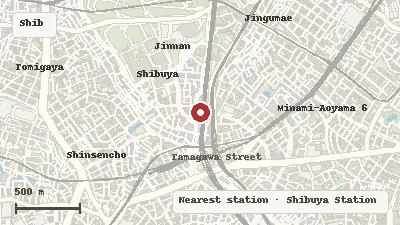
Tower Records Shibuya is a multi-floor music shop where physical recordings, artist displays and staff recommendations invite unhurried browsing. Moving between genres offers a different view of Japan's music market from an online catalog. Check the store's current listings if a particular release, campaign or in-store event is the reason for your visit.
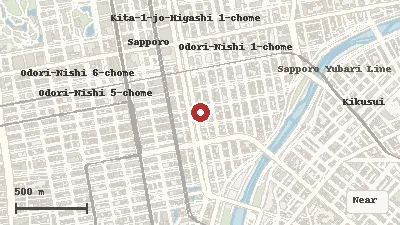
Nijo Market puts seafood counters, produce sellers and small restaurants close to central Sapporo's Sōsei River. Its compact streets make it possible to browse Hokkaido ingredients and choose a meal within the same stop. Look at the market as a collection of individual businesses, each with its own hours and specialties, before continuing toward nearby city sights.
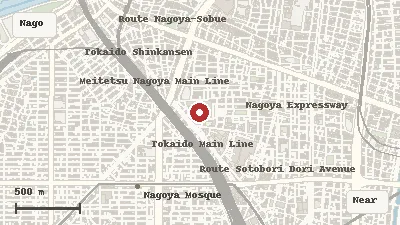
At Toyota's Commemorative Museum of Industry and Technology, textile machinery leads into the story of automobile manufacturing. Preserved factory buildings give the exhibits an industrial setting, while working-machine demonstrations help explain processes that finished vehicles cannot show. Divide time between the textile and automobile pavilions to follow the connection between the two industries.
Walk Mojiko's historic port streets and look across the Kanmon Strait.
Browse music boxes inside Otaru's historic main shop by the steam clock.
Search Nakano Broadway's upper floors for manga, figures and niche finds.
Walk through reconstructed Edo and follow the city's transformation into Tokyo.
Walk Ninenzaka's stone slope through Kyoto's Higashiyama lanes.
Browse knives, tableware and replica food along Kappabashi's kitchen street.
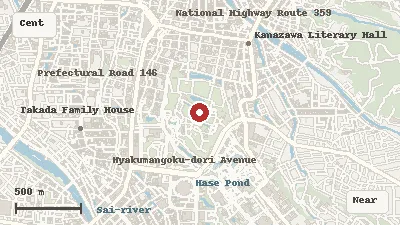
Kanazawa Castle Park combines surviving historic structures with reconstructed buildings and extensive stone walls on the former seat of the Maeda lords. Walking the grounds reveals differences in masonry and the scale of the old castle complex. Pair it with nearby Kenrokuen if you want to explore how the castle and garden relate within central Kanazawa.
Pause at Osu Kannon before entering Nagoya's lively shopping lanes.
Walk the star fort's moat and grounds at Goryōkaku Park.
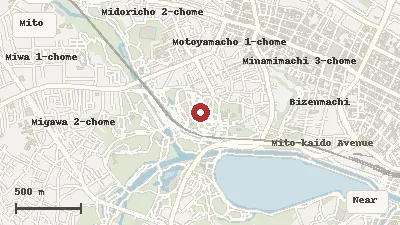
Kairakuen in Mito reflects Tokugawa Nariaki's idea that study and recreation should complement one another. Plum trees give the garden its best-known seasonal identity, but its paths also invite a broader look at the landscape created for the Mito domain. Consider the garden and Kōbuntei as related parts of a visit, checking their separate entry arrangements.
Walk Toei's renewed Edo-style streets and check the day's shows.
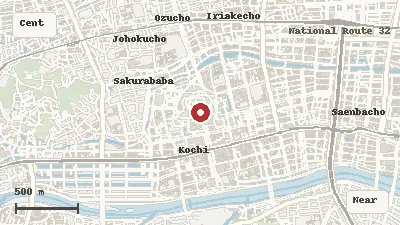
Kochi Castle preserves the relationship between a surviving keep and the palace buildings of its inner compound. Moving through the site reveals the residential and administrative side of castle life alongside defensive architecture. Give the connected buildings as much attention as the tower silhouette to understand the former center of the Tosa domain.
Walk Shinsekai's neon lanes beneath Tsūtenkaku in Osaka.
Descend Yūyake Dandan into Yanaka Ginza's neighborhood shops.
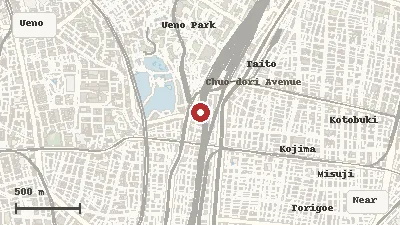
Ameyoko follows the railway between Ueno and Okachimachi through a dense mix of food stalls, clothing shops and specialist retailers. The market's postwar origins help explain its compact, improvised feel beneath and beside the tracks. Browse the changing mix of goods and side passages, leaving time to compare individual shops rather than expecting a single market hall.
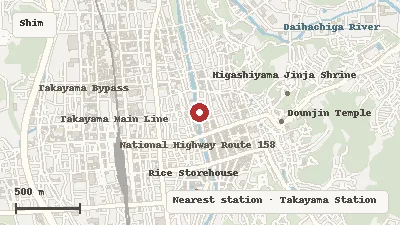
Miyagawa Morning Market brings produce, pickles, crafts and snacks to the riverside in central Takayama. Temporary stalls and permanent shops create a route where browsing can alternate with views of the water and nearby old-town streets. The mix of sellers changes with season and weather, so approach it as a morning market walk rather than a fixed list of stalls.
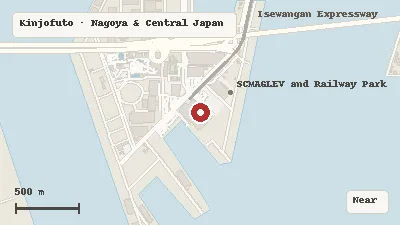
SCMAGLEV and Railway Park in Nagoya follows the development of rail technology from steam locomotives to Shinkansen and superconducting maglev. Preserved vehicles show changes in shape and engineering, while system displays explain speed, comfort and operation. Compare several generations of trains before exploring the maglev material to see how the technologies relate.
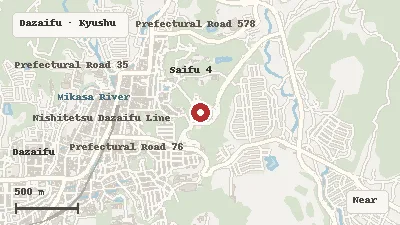
Kyushu National Museum in Dazaifu examines how exchange with Asia shaped Japanese culture. Archaeological objects, religious art and trade-related material form a connected story inside a large contemporary building set against wooded hills. Pair the Cultural Exchange Exhibition with Dazaifu's shrine district, leaving enough time to follow the museum's theme rather than rushing between highlights.
Miyama's Kayabuki-no-Sato preserves a lived-in cluster of thatched farmhouses.
Thanks for helping us improve. We have received your feedback.