Search the interactive Places catalog for landmarks, local neighborhoods and unexpected stops by destination, Lens or keyword. Read Public guides and browse Preview introductions. A free account lets you filter your saved Public Favorites.
Looking for an editorial shortlist? Start with Japan Essentials, then use Discover to combine interests and refine your search.
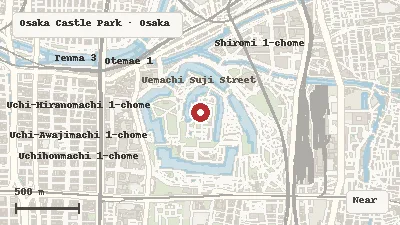
Osaka Castle's present great keep rises above moats and massive stone walls in Osaka Castle Park. The site carries Toyotomi and Tokugawa history, while the current tower is a twentieth-century reconstruction housing exhibitions.
Japan EssentialsFolklore & LegendsAbandoned History
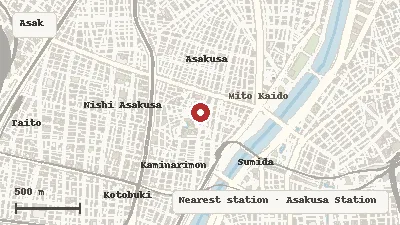
Sensō-ji anchors Asakusa's temple precinct beyond Kaminarimon and Nakamise. Its Kannon foundation story dates to the seventh century in temple tradition, while the present-day approach combines worship with a busy shopping street.
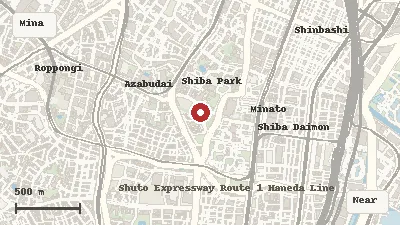
Tokyo Tower opened in 1958 as a broadcasting landmark and now offers observation decks above Shibakoen. Its steel silhouette and changing illumination provide a different Tokyo view by day and after dark.
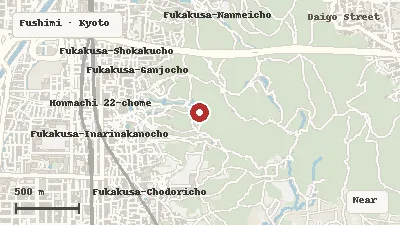
Fushimi Inari Taisha's torii-lined paths climb Mount Inari from the main shrine complex. Fox figures and smaller shrines mark the route through the wooded slopes.
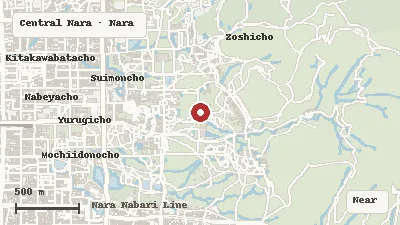
Nara Park brings free-roaming deer into a landscape of lawns, old roads and major temple and shrine precincts. The deer's special standing reflects Kasuga shrine tradition.
Japan EssentialsFolklore & LegendsAbandoned History
Check official informationA full day to explore the wider Nara Park landscape
Kiyomizu-dera's wooden stage projects from the hillside above eastern Kyoto. The temple's Kannon devotion and the waters of Mount Otowa shape its history and name.
Follow Himeji Castle’s winding defences towards its white-walled wooden keep, where the architecture is as compelling from within as from the city below.
Japan EssentialsHaunted LocationsFolklore & LegendsStrange Places
Explore Yokohama Chinatown through regional cooking, colourful gates and community temples, leaving time for the quieter streets between its busy dining routes.
Japan EssentialsFashion & Street CultureRetro JapanFolklore & Legends
Follow Itsukushima Shrine’s covered corridors beside the tidal bay, where changing water levels transform the relationship between buildings, torii and shore.
Link Ueno’s museums with a walk through the park’s historic sites and down towards Shinobazu Pond, choosing a few stops rather than rushing every institution.
Japan EssentialsHaunted LocationsFolklore & LegendsStrange PlacesAbandoned History
Explore Nikkō Tōshōgū’s richly decorated buildings, from Yōmeimon’s crowded carvings to the familiar monkeys and sleeping cat within the shrine complex.
Japan EssentialsFolklore & LegendsAbandoned History
Explore Izumo Taisha’s approaches and shrine precinct for monumental architecture, sacred ropes and a living tradition concerned with the relationships between people.
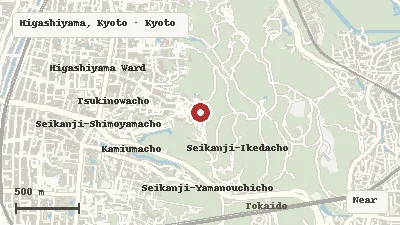
Visit Yasaka Shrine between Gion’s streets and the Higashiyama landscape, taking time to see the religious setting behind Kyoto’s Gion Matsuri traditions.
Cross the Uji Bridge towards Naikū’s wooded precinct, where the Isuzu River, shrine approach and tradition of renewal shape the experience of Ise Jingū.
Explore Shurijo’s hilltop gates and Ryukyuan heritage, checking the restoration-stage visitor route and the announced reopening arrangements for the main hall.
Japan EssentialsFolklore & LegendsAbandoned History