Nagoya & Central JapanPreview
Nagoya PARCO
Fashion, food and rotating specialty retail across Nagoya PARCO's Yabacho buildings.

EXPLORE BY PLACE + LENS
Search the interactive Places catalog for landmarks, local neighborhoods and unexpected stops by destination, Lens or keyword. Read Public guides and browse Preview introductions. A free account lets you filter your saved Public Favorites.
Looking for an editorial shortlist? Start with Japan Essentials, then use Discover to combine interests and refine your search.
Fashion, food and rotating specialty retail across Nagoya PARCO's Yabacho buildings.
Sea of Japan habitats and broader marine exhibits at Niigata City Aquarium.
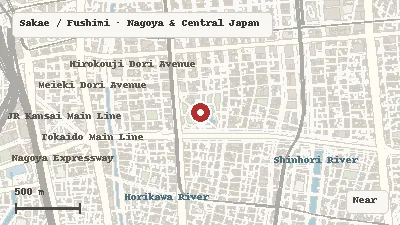
Shirakawa Park gives Nagoya's Fushimi museum district a shared outdoor setting of lawns, trees and sculpture. The science museum's giant planetarium sphere marks one side of the landscape, with the art museum forming another cultural anchor. Use the park to connect the two institutions or to spend time outside before returning to the surrounding city streets.
Tokugawa Ieyasu history, older stonework and a reconstructed tower at Hamamatsu.
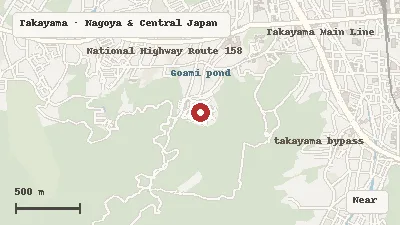
Hida no Sato gathers traditional farmhouses and other regional buildings into an open-air museum near Takayama. Roof forms, domestic spaces and everyday tools show how mountain households adapted to heavy snow and rural work. Move between several buildings to compare their uses, remembering that the village brings structures from different original communities together.
Flower gardens, a begonia conservatory and seasonal illuminations near Nagashima.
A long wooden Nakasendo streetscape through the Kiso Valley at Narai-juku.
Regional marine life displayed on Notojima in Nanao Bay.
Climb to Gujo Hachiman Castle for the town-and-valley view.
Walk Kamikochi's Azusa River paths beneath the Hotaka peaks.
See Wajima's rice terraces step down toward the Sea of Japan.
Explore world architecture and cultural displays across Little World.
Shop for Toyama Bay seafood at Shinminato Kitokito Market.
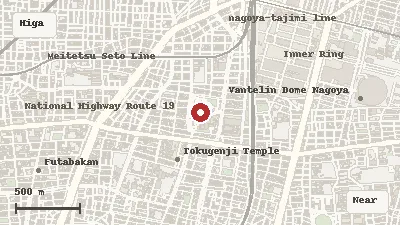
Tokugawa Garden in Nagoya recreates a daimyo-style landscape on land connected with the Owari Tokugawa household. A central pond, waterfalls and stonework compress larger natural scenery into a strolling route. Pair the garden with the neighboring Tokugawa Art Museum if you want to connect the family's cultural objects with a landscape recalling its former estate.
See Matsumoto art and Yayoi Kusama's local connection.
Visit Wajima's relocated morning market at Wai Plaza.
Explore thatched farmhouses above Gero Onsen.
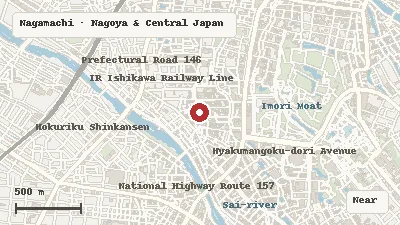
Nagamachi preserves the street pattern and atmosphere of a former samurai residential district in Kanazawa. Earthen walls, narrow lanes and canals reveal the boundaries of households once linked to the Kaga domain. Explore the public streets first, then choose individual residences or museums to enter; the district is a neighborhood with separate sites rather than one enclosed attraction.
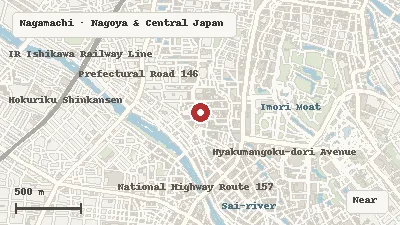
Nomura-ke opens one samurai household within Kanazawa's Nagamachi district to closer inspection. Interior rooms, displayed objects and a compact garden bring the scale of domestic life into focus after walking the neighborhood's walled lanes. Look at how the rooms frame the garden as well as at individual details to understand the relationship between the house and its setting.
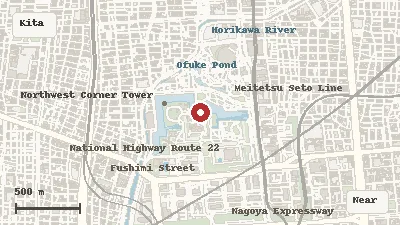
Meijo Park spreads lawns, trees and flower planting beside the northern side of Nagoya Castle. It offers a broader recreation landscape around the castle district, with the Flower Plaza adding a horticultural focus. Walk through the planting and open grounds before deciding whether to extend the outing into the castle's separately managed visitor areas.
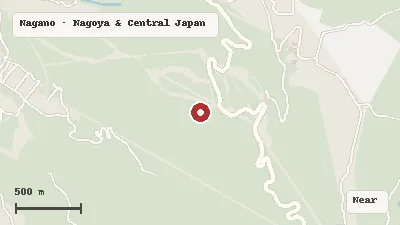
Nozawa Onsen Snow Resort spreads across Mount Kenashi above the old hot-spring village, with roughly 297 hectares of terrain, a large vertical range and a top-to-bottom run of about 10 kilometers.
Explore Owari Tokugawa treasures in Nagoya.
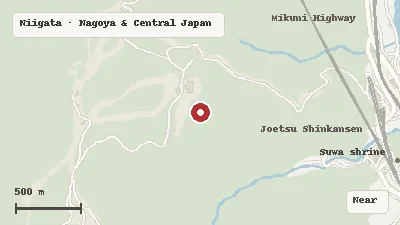
GALA Yuzawa integrates a winter ski resort directly with a Shinkansen station, placing ticketing, rentals and gondola access in the same base complex reached by train from Tokyo.
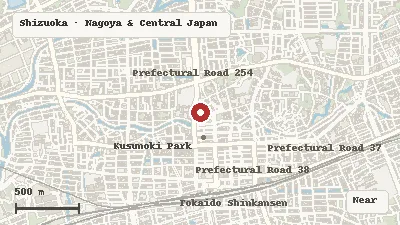
Kakegawa Castle’s 1994 wooden keep reconstruction revived the hilltop landmark using traditional materials and methods, while the surrounding grounds preserve the setting of the earlier castle.
Thanks for helping us improve. We have received your feedback.