Nagoya & Central JapanPreview
Nagoya Castle
Explore Nagoya Castle’s grounds and reconstructed Honmaru Palace, where painted interiors and formal rooms reveal the authority of the Owari Tokugawa.

EXPLORE BY PLACE + LENS
Search the interactive Places catalog for landmarks, local neighborhoods and unexpected stops by destination, Lens or keyword. Read Public guides and browse Preview introductions. A free account lets you filter your saved Public Favorites.
Looking for an editorial shortlist? Start with Japan Essentials, then use Discover to combine interests and refine your search.
Explore Nagoya Castle’s grounds and reconstructed Honmaru Palace, where painted interiors and formal rooms reveal the authority of the Owari Tokugawa.
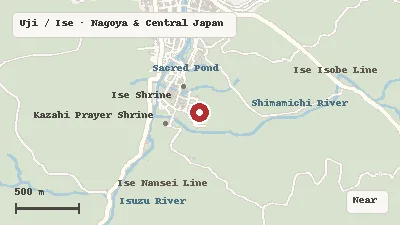
Beside the approach to Ise Jingu's Inner Shrine, Okage Yokocho recreates the merchant-town setting associated with pilgrimage to Ise. Regional food, craft shops and period-style buildings give the quarter its character. Pair a browse here with the shrine approach while recognizing that this is a recreated streetscape, not an untouched historic block.
Walk Kenroku-en’s pond-side paths and bridges, comparing open views with quieter garden scenes shaped by generations of Kanazawa’s Maeda rulers.
Cross the Uji Bridge towards Naikū’s wooded precinct, where the Isuzu River, shrine approach and tradition of renewal shape the experience of Ise Jingū.
Explore Matsumoto Castle’s timber keep and moat-side setting, looking for the contrast between defensive spaces and the more open moon-viewing wing.
Follow Nagano's pilgrimage approach to a temple whose most important image is deliberately kept from view.
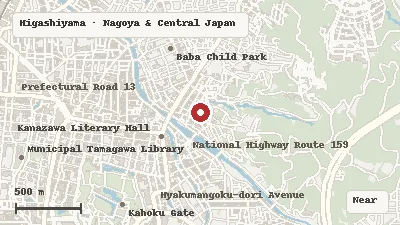
Wooden teahouse façades give Kanazawa's Higashi Chaya District its distinctive streetscape. The area's connection with traditional entertainment is best explored by combining a street walk with a building or venue that explicitly welcomes visitors. Allow time to look at the latticework and building fronts without assuming every historic doorway is open to the public.
Move from marine mammals to tropical waters and Antarctic life across Nagoya's two-part aquarium.
Follow the wooded approaches of Atsuta Jingu and discover the traditions behind its celebrated sword association.
Discover Ise's Outer Shrine through its wooded approaches and the traditions of sacred food offerings.
Climb through Hikone's surviving castle defenses, then see the keep framed by the garden below.
Browse a few shopping areas around the lawns, with room to turn a Karuizawa station stop into a meal and a walk.
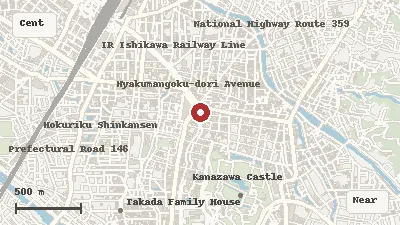
Omicho Market brings Kanazawa's seafood and produce trade into a central network of food stalls, shops and small restaurants. The connection with Sea of Japan seafood gives it a different focus from the city's teahouse districts. Allow time to look at the ingredient counters as well as choosing somewhere to eat.
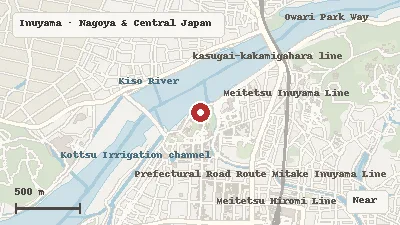
Inuyama Castle's surviving wooden keep stands above the Kiso River, giving the visit a focus on original structure as well as the setting. Inside, steep stairs and low beams make the physical experience part of the attraction. Consider those interior conditions when deciding whether to explore the keep or concentrate on the surroundings.
Explore the meeting of contemporary art, glass architecture and visual illusion at Kanazawa's circular museum.
Explore dinosaur skeletons and fossil research in Katsuyama, where regional discoveries inform a major natural-history museum.
Follow spring-fed wasabi beds and water wheels in Azumino's farm landscape.
Choose coaster thrills or family rides at the amusement-park core of Nagashima Resort.
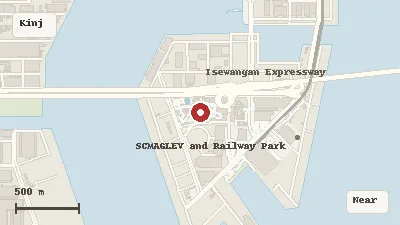
LEGOLAND Japan brings LEGO-built scenery, family rides and hands-on building areas to Nagoya's Kinjo-futo waterfront. MINILAND turns Japanese landmarks into detailed miniature scenes, rewarding time spent looking between activities. Plan the day around the balance of models, play and rides that suits your group, with individual attraction requirements checked ahead.
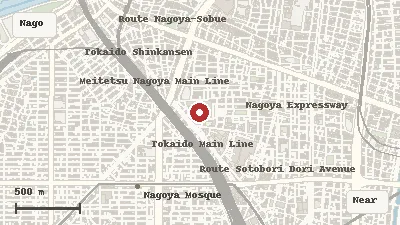
At Toyota's Commemorative Museum of Industry and Technology, textile machinery leads into the story of automobile manufacturing. Preserved factory buildings give the exhibits an industrial setting, while working-machine demonstrations help explain processes that finished vehicles cannot show. Divide time between the textile and automobile pavilions to follow the connection between the two industries.
See Karuizawa's fine 'white threads' of water stretch across a wooded rock face.
See the rope-bound Meoto Iwa rocks beside Futami's sea-facing shrine.
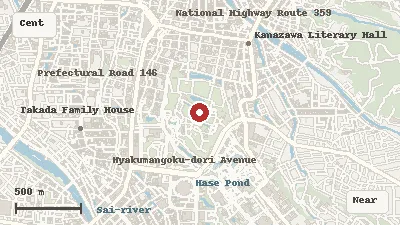
Kanazawa Castle Park combines surviving historic structures with reconstructed buildings and extensive stone walls on the former seat of the Maeda lords. Walking the grounds reveals differences in masonry and the scale of the old castle complex. Pair it with nearby Kenrokuen if you want to explore how the castle and garden relate within central Kanazawa.
See Kurobe Dam from the crest and Alpine viewpoints; discharge is seasonal.
Thanks for helping us improve. We have received your feedback.