Hiroshima, Chūgoku & ShikokuPreview
Matsue Castle
Explore an original 1611 castle keep and its moated Matsue setting.

EXPLORE BY PLACE + LENS
Search the interactive Places catalog for landmarks, local neighborhoods and unexpected stops by destination, Lens or keyword. Read Public guides and browse Preview introductions. A free account lets you filter your saved Public Favorites.
Looking for an editorial shortlist? Start with Japan Essentials, then use Discover to combine interests and refine your search.
No filters active.
Explore an original 1611 castle keep and its moated Matsue setting.
Follow Namba Parks' planted terraces above the shops near Nankai Namba.
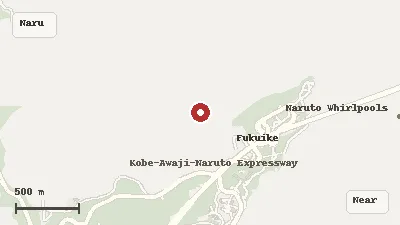
Otsuka Museum of Art in Naruto presents Western artworks as full-scale ceramic reproductions. The format brings paintings and recreated architectural interiors into one extensive route, including the setting of the Sistine Chapel. Come with time to compare styles and scale, understanding that the attraction is the reproduction project and its educational scope.
Move from pond to pond through Ritsurin's pine-framed views beneath Mount Shiun.
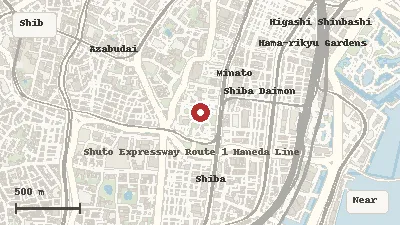
Shiba Park's green spaces spread around Zōjō-ji and the approaches to Tokyo Tower. Paths, lawns and older historic features sit among roads and temple grounds, so the park is best explored as several connected sections. Choose a route through the sections that interest you, with separate time for a temple visit or tower admission.
Enter Shimogamo Shrine through Tadasu-no-Mori's wooded Kyoto approach.
See Kochi's Pacific shoreline and the Ryōma statue at Katsurahama.
Browse Hachinohe seafood stalls, then consider grilling a market purchase.
Meet Kyoto's giant salamander alongside penguins and other aquatic exhibits.
Learn about Sagami's Samukawa Shrine and its happō-yoke prayer tradition.
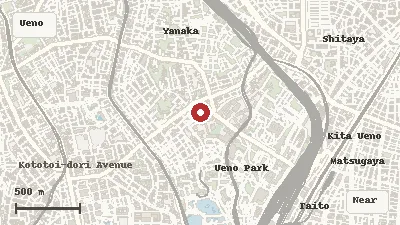
Tokyo Metropolitan Art Museum combines changing exhibitions with Kunio Maekawa's brick-toned architecture in Ueno Park. Sunken courts and galleries give the building a quieter scale than its busy surroundings suggest. Start with the exhibition calendar, then allow time to explore the architecture as part of the visit rather than moving straight from one show to the next.
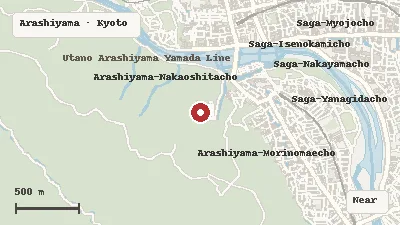
An uphill path leads from Arashiyama to the macaques and Kyoto views at Monkey Park Iwatayama. The animals move freely around the mountainside, while visitors observe them under the park's rules. Factor the climb into your plans and follow staff directions on distance and feeding; the hillside setting is as much a part of the outing as the monkeys.
See Fukuroda's four-tiered cascade from lower and upper viewing platforms.
Step from Maihama Station into Ikspiari's shops, restaurants and cinema.
Explore Kashima Jingū's wooded precinct and Takemikazuchi traditions.
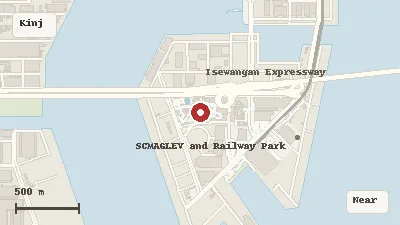
LEGOLAND Japan brings LEGO-built scenery, family rides and hands-on building areas to Nagoya's Kinjo-futo waterfront. MINILAND turns Japanese landmarks into detailed miniature scenes, rewarding time spent looking between activities. Plan the day around the balance of models, play and rides that suits your group, with individual attraction requirements checked ahead.
Find postwar Shinjuku's tiny food lanes a short walk from the station.
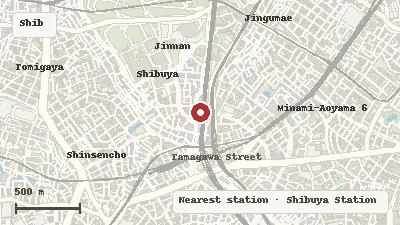
Tower Records Shibuya is a multi-floor music shop where physical recordings, artist displays and staff recommendations invite unhurried browsing. Moving between genres offers a different view of Japan's music market from an online catalog. Check the store's current listings if a particular release, campaign or in-store event is the reason for your visit.
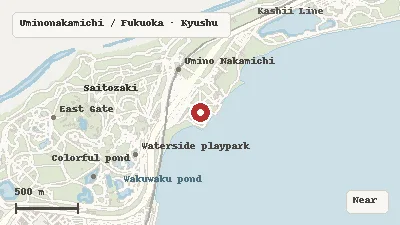
Marine World Uminonakamichi introduces the waters around Kyushu through large aquarium tanks and exhibits on regional marine environments. Its position on Fukuoka's Uminonakamichi peninsula gives the subject a coastal setting, with Hakata Bay beside the complex. Follow the habitat displays at your own pace and check the day's presentation schedule if shows are a priority.
Find the Hakata shrine at the center of Yamakasa's float traditions.
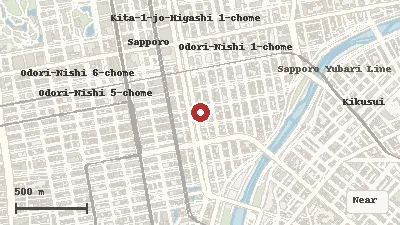
Nijo Market puts seafood counters, produce sellers and small restaurants close to central Sapporo's Sōsei River. Its compact streets make it possible to browse Hokkaido ingredients and choose a meal within the same stop. Look at the market as a collection of individual businesses, each with its own hours and specialties, before continuing toward nearby city sights.
See Sakurajima framed by the Shimadzu garden, then trace Satsuma's industrial story.
Cross Sorihashi and see Osaka's maritime shrine and four main sanctuaries.
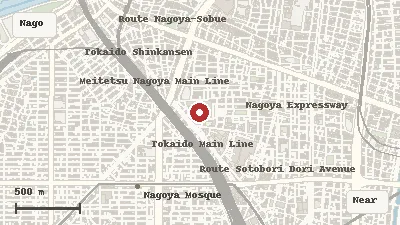
At Toyota's Commemorative Museum of Industry and Technology, textile machinery leads into the story of automobile manufacturing. Preserved factory buildings give the exhibits an industrial setting, while working-machine demonstrations help explain processes that finished vehicles cannot show. Divide time between the textile and automobile pavilions to follow the connection between the two industries.
Thanks for helping us improve. We have received your feedback.