KyotoFeaturedPublic
Fushimi Inari Taisha
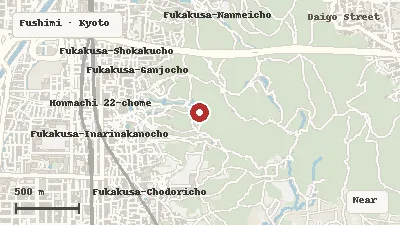
Fushimi Inari Taisha's torii-lined paths climb Mount Inari from the main shrine complex. Fox figures and smaller shrines mark the route through the wooded slopes.

EXPLORE BY PLACE + LENS
Search the interactive Places catalog for landmarks, local neighborhoods and unexpected stops by destination, Lens or keyword. Read Public guides and browse Preview introductions. A free account lets you filter your saved Public Favorites.
Looking for an editorial shortlist? Start with Japan Essentials, then use Discover to combine interests and refine your search.
Fushimi Inari Taisha's torii-lined paths climb Mount Inari from the main shrine complex. Fox figures and smaller shrines mark the route through the wooded slopes.
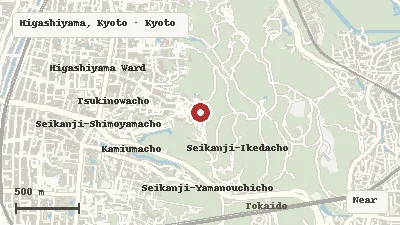
Kiyomizu-dera's wooden stage projects from the hillside above eastern Kyoto. The temple's Kannon devotion and the waters of Mount Otowa shape its history and name.
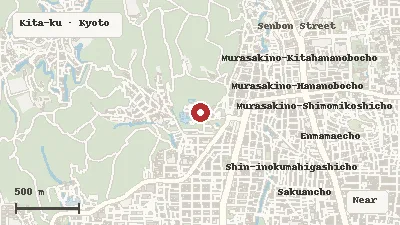
Rokuon-ji's gold-clad pavilion faces Kyokochi Pond, creating one of Kyoto's best-known temple views. The garden frames the building as part of a larger Zen landscape.
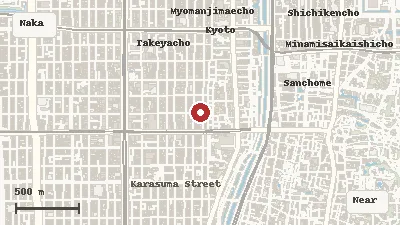
Kyoto's Nishiki Market gathers pickle sellers, seafood specialists, sweets and cooking supplies along a covered shopping street. It is a place to browse ingredients as well as prepared food. Follow the market association's request to eat at the shop where you buy food instead of walking with it through the narrow arcade.
Explore Nijō Castle’s palace rooms and gardens, looking at how paintings, carved details and the order of spaces expressed shogunal power.
Visit Yasaka Shrine between Gion’s streets and the Higashiyama landscape, taking time to see the religious setting behind Kyoto’s Gion Matsuri traditions.
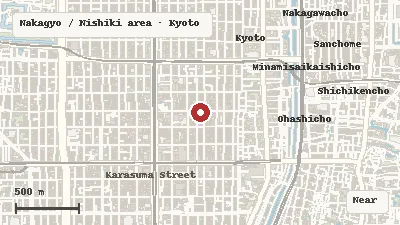
SAMURAI NINJA MUSEUM KYOTO introduces warrior history through displays of armor and weapons, guided explanation and hands-on activities. The experience-led format is the reason to choose it, rather than expecting a preserved samurai residence. Check which activities are included in the program you book before fitting it into a central-Kyoto day.
Look upward through Arashiyama's bamboo canopy on a short walk woven into the wider Sagano district.
See the Phoenix Hall across its pond, then explore the art that gives Byodoin's Pure Land setting its meaning.
Look beyond Toji's pagoda to the sculptural mandala that makes its Buddhist teaching visible within the Lecture Hall.
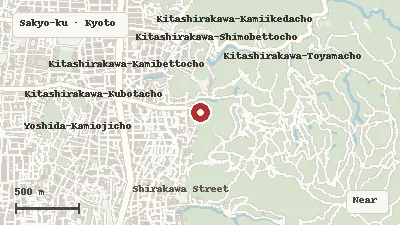
Ginkaku-ji brings the Silver Pavilion, sculpted sand and mossy hillside paths together at the edge of Kyoto's eastern hills. The pavilion's dark exterior is part of its character; the name does not describe a silver-covered building. Follow the garden circuit for changing views of the temple, then continue toward the Philosopher's Path if a longer walk appeals.
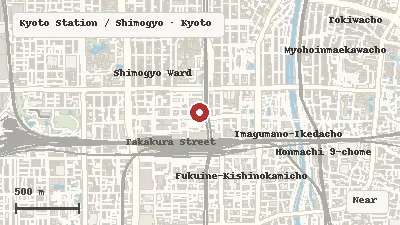
Across from Kyoto Station, Kyoto Tower's observation deck offers a view over the city basin and its mountain edges. The elevated perspective helps connect otherwise scattered districts before exploring them at street level. Its station-side position makes it a possible viewpoint stop at the beginning or end of a Kyoto visit.
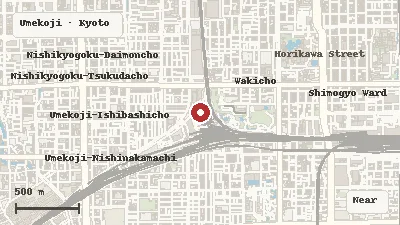
Kyoto Railway Museum sets steam locomotives and Shinkansen vehicles beside the historic Umekoji roundhouse and turntable. The maintenance buildings help explain how the preserved trains were operated, while nearby active lines connect the collection with today's railway. Allow time for both the vehicles and the working-system displays; individual experiences follow their own programs.
Encounter the scale and individual detail of Sanjusangendo's 1,001 Kannon figures inside a long Kyoto temple hall.
Study the pond, rocks and borrowed mountain scenery that give Tenryuji's garden its depth.
Discover Kitano Tenmangu through its learning traditions, ornate buildings and seasonal gardens.
Vermilion halls evoke old Kyoto; the Shin'en garden offers a different, quieter circuit.
Enter Shimogamo Shrine through Tadasu-no-Mori's wooded Kyoto approach.
Meet Kyoto's giant salamander alongside penguins and other aquatic exhibits.
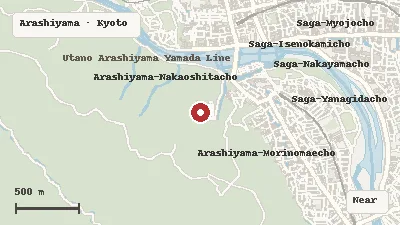
An uphill path leads from Arashiyama to the macaques and Kyoto views at Monkey Park Iwatayama. The animals move freely around the mountainside, while visitors observe them under the park's rules. Factor the climb into your plans and follow staff directions on distance and feeding; the hillside setting is as much a part of the outing as the monkeys.
Walk Ninenzaka's stone slope through Kyoto's Higashiyama lanes.
Find vast timber Buddhist halls a short walk north of Kyoto Station.
Follow the lantern-lined steps into Kifune's water-shrine valley.
See a Zen gate, garden and canal aqueduct in one eastern Kyoto precinct.
Thanks for helping us improve. We have received your feedback.