
Why go
The museum treats aviation as human history rather than only machinery. Aircraft and technical material sit beside testimony, photographs and personal objects tied to the former airfield and the March 1945 raids, making its peace-museum purpose central to the visit.
Field Notes
The Tachiarai Peace Memorial Museum asks visitors to place its aircraft within the history of a community damaged by war. Chikuzen Town records that the museum opened on 3 October 2009 to pass on the experience of the former airfield and the devastating air raids of March 1945. Its permanent displays include a Zero Model 32, a Type 97 fighter and a full-size Shinden model. The distinction between the historic aircraft and the model matters when looking at the objects: they do not all have the same provenance or relationship to wartime service. The town specifically permits photography of these three aircraft displays, so use the posted rules for other material rather than extending that permission to the whole museum. Allow time for the explanatory displays alongside the large objects. Their purpose is to connect military aviation with the people whose lives were affected, rather than present the machines as an isolated collection of engineering achievements. The museum is at Takata in Chikuzen, so use the full municipal museum name when planning the journey.
Fukuoka's peace-education guide places the airfield's activity between 1919 and 1945 and explains that testimony and original materials are used to trace its development. It also supplies a useful comparison between two major exhibits. The Zero Model 32 was found in the Marshall Islands in 1978 before returning to Japan, while the Type 97 fighter was recovered from Hakata Bay in 1996. These different recovery histories add another layer to what visitors see inside: the surviving objects reached the museum through postwar journeys as well as wartime ones. The guide describes a dedicated exhibition on special attack operations in the newer building, together with film presentations and readings in the main museum's storytelling room. A space displaying portraits commemorates those who died. Move between the technical displays, personal records and memorial areas rather than letting one category stand for the entire visit. The result is a more complete picture of how the museum uses surviving machines and individual testimony to address the same period. If a reading or screening is important to your visit, check the day's program instead of assuming it operates continuously throughout opening hours.
Planning Notes
Suggested time on site: 60–90 minutes; allow around 2 hours for a slower reading of testimony, aircraft, and wartime-hist. Keep travel and waiting time separate from that estimate.
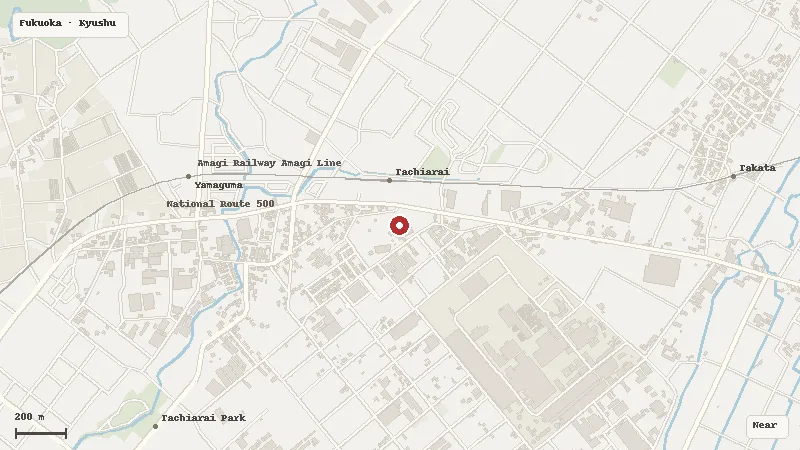
Access reference: Amagi Railway Tachiarai Station, approximately 2–4 minutes on foot; the museum stands beside the former Tachiarai airfield area. Check the final walking or connecting leg when choosing your route.
Museum hours are 09:00–17:00, with final entry at 16:30. Annual closure is December 26–31; December 26–27, 2026 are therefore closed within the current visit window. Check temporary notices before travel.
Location
Map data © OpenStreetMap contributors