KyotoPreview
Ryōan-ji
Sit with Ryōan-ji's fifteen-rock garden, then walk its wider grounds.

EXPLORE BY PLACE + LENS
Search the interactive Places catalog for landmarks, local neighborhoods and unexpected stops by destination, Lens or keyword. Read Public guides and browse Preview introductions. A free account lets you filter your saved Public Favorites.
Looking for an editorial shortlist? Start with Japan Essentials, then use Discover to combine interests and refine your search.
Sit with Ryōan-ji's fifteen-rock garden, then walk its wider grounds.
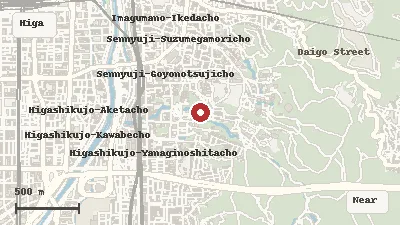
Tōfuku-ji brings monumental Zen architecture, a maple-filled ravine and Mirei Shigemori's modern gardens into one Kyoto temple visit. Tsūtenkyō crosses the ravine, while the Hōjō gardens offer a different way to read the landscape through stone, moss and geometric composition. Allow time for both settings instead of making the bridge the whole visit.
Walk Toei's renewed Edo-style streets and check the day's shows.
Look down on Amanohashidate from View Land's Monju-side hill.
Kōdai-ji layers Nene and Hideyoshi history with gardens, bamboo and temple halls.
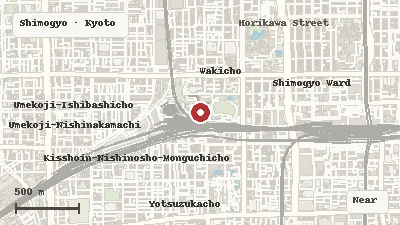
Umekoji Park connects broad lawns and landscaped paths with the museum-and-aquarium district west of Kyoto Station. Suzaku-no-niwa adds a more formal garden setting within grounds created on former railway land. Use the park for an outdoor pause between attractions, or give its open spaces and garden a visit of their own.
Miyama's Kayabuki-no-Sato preserves a lived-in cluster of thatched farmhouses.
See Zen gardens and twin-dragon art at Gion's Kennin-ji.
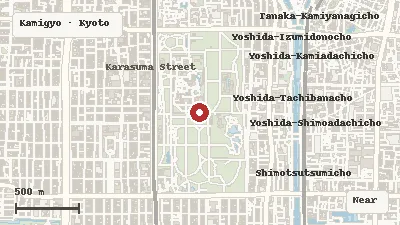
Kyoto Gyoen surrounds the Imperial Palace with broad gravel avenues, groves and traces of the former court-noble district. Historic gates and residence sites give the open landscape a history that extends beyond the palace walls. Use the garden for an unhurried walk, arranging access to the imperial compounds separately if they are part of your plans.
Sanzen-in's moss, cedars and temple halls define Ōhara's mountain atmosphere.
Working funaya boathouses along Ine's sheltered fishing-village waterfront.
A small Kyoto shrine known for its gold torii and metalworking associations.
Imperial temple history, palace gardens and late-blooming Omuro cherries at Ninna-ji.
Gion teahouses and restaurants along Hanamikoji's working public street.
A century-old Kyoto botanical garden with broad outdoor collections and a conservatory.
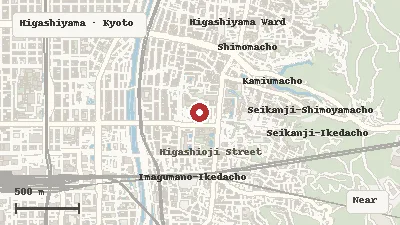
Kyoto National Museum brings premodern art and cultural properties into a campus combining Meiji-era architecture with the modern Heisei Chishinkan. Its subject matter connects closely with the temples and shrines of the surrounding city. Check the exhibition calendar before arranging a gallery visit: between programs, access may be limited to the gardens and outdoor exhibits.
A north-side Amanohashidate panorama reached above the Fuchu shore.
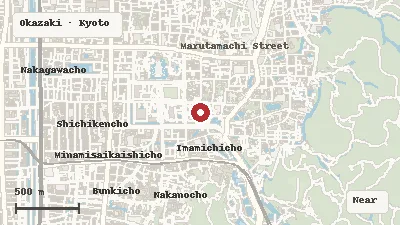
Kyoto City Zoo brings compact animal habitats into Okazaki's wider museum-and-shrine district. Its modern layout includes areas focused on different environments, with Kyoto Forest adding a regional connection alongside the broader collection. Allow time for observation within the zoo, then decide which nearby cultural stops fit the rest of the day.
Open manga shelves and exhibitions inside a former Kyoto elementary school.
Explore Daigo-ji's pagoda and its layered lower precinct.
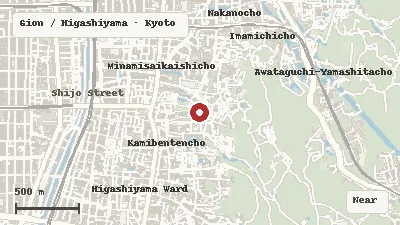
Kyoto's Maruyama Park opens behind Yasaka Shrine into ponds, hillside paths and planted gathering spaces. Its weeping cherry is a spring landmark, while the wider landscape links the Gion edge with other Higashiyama sites. Follow the park beyond the central tree to appreciate it as a strolling route shaped by the slope.
View Shirahige Shrine's torii from the designated lakeside viewpoint.
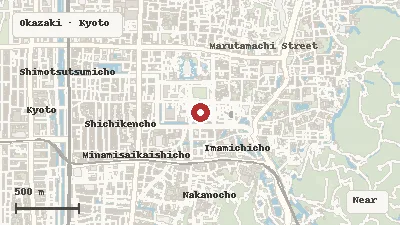
Kyoto City KYOCERA Museum of Art layers contemporary exhibition spaces onto its landmark 1933 building in Okazaki. The renewed entrance, courts and galleries make the architecture part of the experience alongside Kyoto-related art and temporary shows. Choose a program that interests you, then leave time to see how the old structure and newer additions meet.
Visit Nishi Hongan-ji's vast halls and active temple precinct.
Thanks for helping us improve. We have received your feedback.