
Why go
Kokusai is a useful choice for travelers based in Sapporo who want a substantial ski day without relocating to a resort town. The mountain setting and gondola-served terrain make it more than a small city-edge hill, while seasonal buses simplify access.
Field Notes
Sapporo Kokusai is a mountain outing whose appeal lies in the range of terrain available within a relatively compact course network. The resort describes seven courses and a longest linked descent of 3.6 kilometres. Forest and Marchen trails form the gentler end of that network, while Echo and Downhill are classified as advanced. Reading the course map before heading uphill is therefore more useful than choosing a run from its name. A group with mixed abilities can use the published gradients and difficulty categories to decide where its members will be comfortable.
There are meaningful differences even between runs in the same category. The intermediate Family Trail is described as more than a hundred metres wide, while Swing includes a maximum gradient of twenty-eight degrees. Downhill reaches thirty degrees at its steepest point. Those figures help translate an attractive snow photograph into a more realistic choice of descent. They do not establish the condition of a course on any particular day: weather, snowfall and operational decisions can change what is available. Use the day's slope report alongside the permanent map, and remain within the managed, permitted areas.
Transport deserves as much planning as equipment. The resort is reached by road, with published journey estimates from central Sapporo, Otaru and New Chitose Airport that remain dependent on weather and traffic conditions. Its access guidance specifically warns that arriving without a return-bus reservation can leave visitors unable to board a full service. Taxi arrivals also require thought about the return, because the resort may be unable to arrange a vehicle at short notice. Secure the journey back before committing to an arrival plan; a city-based ski day still involves mountain-road logistics at both ends.
The base facilities support spending a substantial part of the day here. Changing rooms and lockers provide a place to organise clothing, restaurants offer indoor breaks, and shops carry slope accessories as well as snacks and souvenirs. Private rental rooms are listed separately for groups wanting their own space. These facilities suggest a practical rhythm of preparation, skiing and warming up rather than an uninterrupted series of runs. Check the current arrangements for the services your party actually needs, especially if some people will spend more time indoors. Choosing meeting points in advance also makes it easier for different ability levels to enjoy the same outing.
Planning Notes
Suggested time on site: 45–120 minutes. Keep travel and waiting time separate from that estimate.
Access reference: Sapporo Station/city hotels; seasonal direct ski bus or car. Check the final walking or connecting leg when choosing your route.
The official booking route explains optional online lift tickets and rentals. Regular-season web ticket sales are planned from November 19, 2026 at 15:00, only after the opening date is confirmed; buying after arrival is also possible. New lift cards use a QR-code exchange at the ski-center first-floor information area and a refundable 500-yen card deposit. Online tickets, rental, lessons and restaurant seats are separate products; a four-hour lift ticket does not redefine the full ski-day duration. An autumn foliage gondola festival runs October 1–20, 2026, separately from winter skiing.
Location
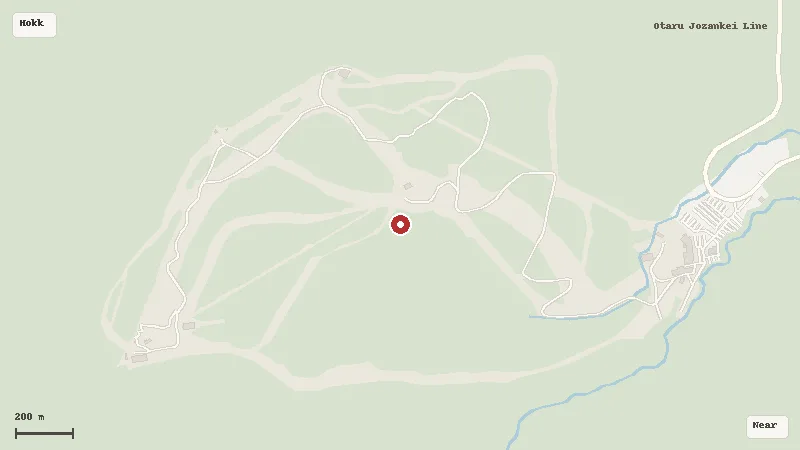
Map data © OpenStreetMap contributors