Search the interactive Places catalog for landmarks, local neighborhoods and unexpected stops by destination, Lens or keyword. Read Public guides and browse Preview introductions. A free account lets you filter your saved Public Favorites.
Looking for an editorial shortlist? Start with Japan Essentials, then use Discover to combine interests and refine your search.
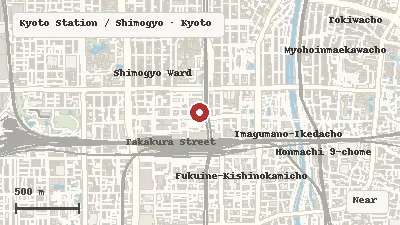
Across from Kyoto Station, Kyoto Tower's observation deck offers a view over the city basin and its mountain edges. The elevated perspective helps connect otherwise scattered districts before exploring them at street level. Its station-side position makes it a possible viewpoint stop at the beginning or end of a Kyoto visit.
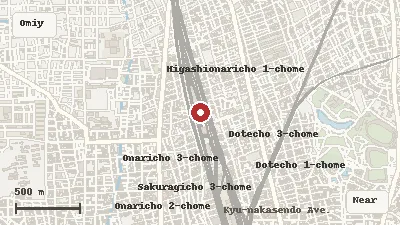
The Railway Museum in Omiya places historic rolling stock alongside displays about railway science and the people who operate the network. The vehicles give the visit its scale, while the work and technology galleries explain what keeps trains running. Choose a balance between looking at trains and exploring the systems behind them.
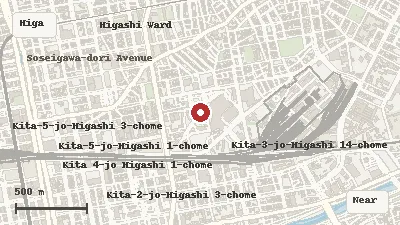
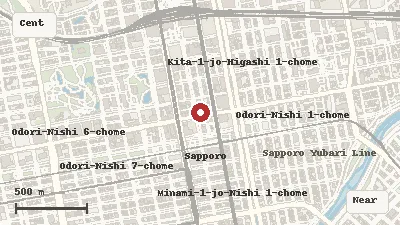
Sapporo Beer Museum follows the city's brewing history inside a red-brick industrial landmark. Displays connect the Sapporo brand with Hokkaido's development and changing beer culture, while the historic building gives that story a physical setting. Treat the galleries as the main visit, with an optional tasting or a separate Beer Garden meal extending the stop.
Retro Japan
From ¥1,00015–40 minutes self-guided; 55 minutes for a guided tour, including tasting
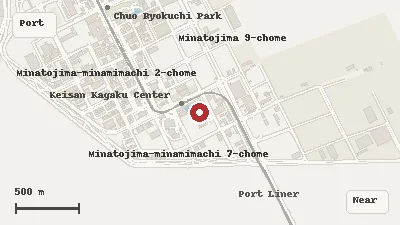
Planted greenhouse spaces and outdoor habitats shape a visit to Kobe Animal Kingdom on Port Island. Its origins as a flower-and-bird park remain visible in the way vegetation surrounds the animal displays. Build the visit around observing those environments, then use the day's program to choose any demonstrations you want to see.
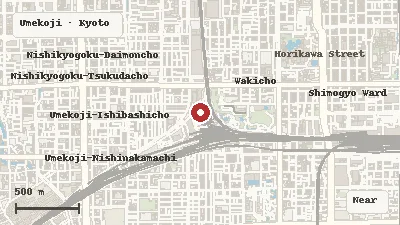
Kyoto Railway Museum sets steam locomotives and Shinkansen vehicles beside the historic Umekoji roundhouse and turntable. The maintenance buildings help explain how the preserved trains were operated, while nearby active lines connect the collection with today's railway. Allow time for both the vehicles and the working-system displays; individual experiences follow their own programs.
Sapporo Clock Tower preserves a wooden building from the city's early Agricultural College. Inside, displays explain the college, the growth of Sapporo and the workings of a mechanical tower clock. Looking through the exhibits adds context to the familiar exterior photograph and makes this a focused stop for understanding the city's Meiji-era beginnings.
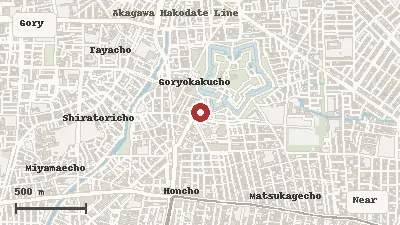
From Goryōkaku Tower, Hakodate's star-shaped fort becomes readable as a complete pattern of earthworks and water. The observation floors also interpret the fort's history, giving the panorama more context than a city view alone. Pair the elevated perspective with a walk through Goryōkaku Park to see how the same defensive landscape feels at ground level.
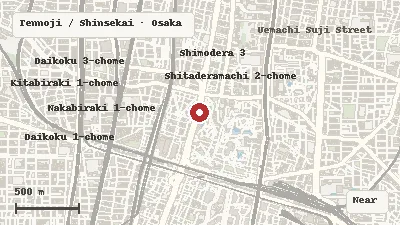
Tennoji Zoo places animal habitats within one of Osaka's busiest urban sightseeing areas, beside Tennoji Park and Shinsekai. Its African Savanna Zone and other habitat-based displays encourage visitors to consider the environments animals live in. Give the zoo its own portion of the day before continuing into the surrounding park or shopping streets.