Tokyo & KantōPreview
Yasukuni Shrine
Approach Yasukuni with attention to its religious role, commemorative purpose and the perspective presented by its museum.

EXPLORE BY PLACE + LENS
Search the interactive Places catalog for landmarks, local neighborhoods and unexpected stops by destination, Lens or keyword. Read Public guides and browse Preview introductions. A free account lets you filter your saved Public Favorites.
Looking for an editorial shortlist? Start with Japan Essentials, then use Discover to combine interests and refine your search.
Approach Yasukuni with attention to its religious role, commemorative purpose and the perspective presented by its museum.
Browse a few shopping areas around the lawns, with room to turn a Karuizawa station stop into a meal and a walk.
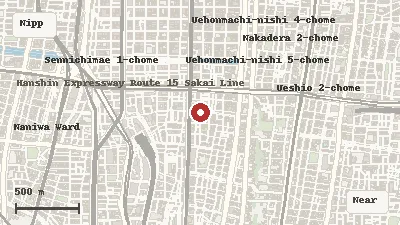
Kuromon Ichiba brings seafood, produce, meat specialists and places to eat into a covered market in Osaka's Nipponbashi district. Its appeal lies in seeing food retail alongside prepared dishes, rather than treating the whole arcade as one restaurant. Browse individual businesses and use the market as a focused food stop in the Namba area.
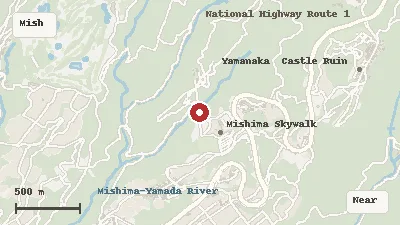
Mishima Skywalk takes pedestrians across a 400-meter suspension bridge in the foothills above Mishima. The crossing offers a view across the surrounding landscape toward Suruga Bay, with Mount Fuji visible when conditions permit. The bridge itself is the main experience, so choose the visit for the exposed walk as well as the possibility of a mountain photograph.
Explore the Aizu story through Tsuruga Castle's museum keep, red-tiled roofline and surrounding defenses.
Trace instant noodles from a small work shed to familiar packages, with optional making activities to book into the visit.
Look beyond Toji's pagoda to the sculptural mandala that makes its Buddhist teaching visible within the Lecture Hall.
Follow the wooded shrine approach above Lake Ashi, then place the lakeside torii within Hakone's religious landscape.
Follow Narita's temple approach into a living pilgrimage complex centered on devotion to Fudo Myoo.
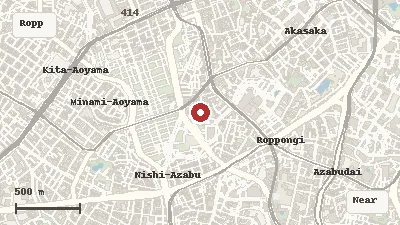
The National Art Center, Tokyo pairs Kisho Kurokawa's sweeping glass architecture with changing exhibitions in Roppongi. It has no permanent collection, so the exhibition calendar is central to deciding when and why to visit. Choose a show that interests you, then leave time to appreciate the building as a separate part of the experience.
Step into Ghibli's world of animation craft, original short films and architectural surprises in Mitaka.
Compare Kintaikyo's sweeping profile from the riverbank with the changing levels of a walk across its timber spans.
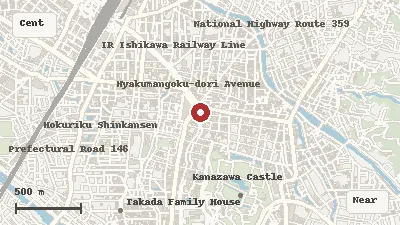
Omicho Market brings Kanazawa's seafood and produce trade into a central network of food stalls, shops and small restaurants. The connection with Sea of Japan seafood gives it a different focus from the city's teahouse districts. Allow time to look at the ingredient counters as well as choosing somewhere to eat.
See Takachiho's rock walls and Manai Falls from the walking route, or arrange a boat trip when river conditions allow.
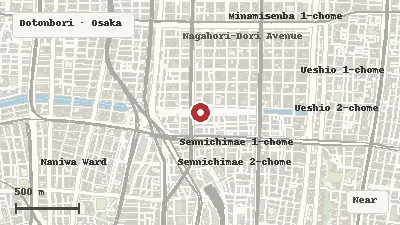
The Glico Sign's raised-arms runner is a specific landmark above Osaka's Dotonbori canal. Ebisubashi provides a familiar viewpoint for the billboard, making this a short photography stop within a larger district walk. Keep space for other bridge users and continue along the waterfront once you have taken in the sign.
Choose a bayfront walk, birdwatching or a separate attraction at one of eastern Tokyo's broad coastal parks.
Look beyond the aquarium to Ocean Expo Park's coastal spaces, cultural exhibits and gardens in northern Okinawa.
Move from Gyokusendo's underground formations to Ryukyuan crafts and historic houses at Okinawa World.
Walk Ouchi-juku's thatched post-town street and see how a historic route has become a living village destination.
Build a Shirahama park day around safari animals, marine life or rides at Adventure World.
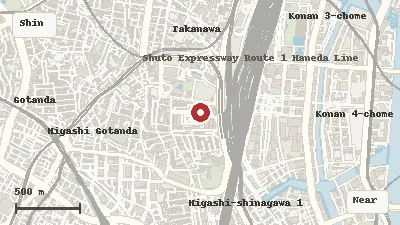
Maxell Aqua Park Shinagawa combines aquarium exhibits with light, sound and staged presentations in the Shinagawa Prince Hotel area. Jellyfish displays and the circular dolphin arena shape an experience that differs from a straightforward sequence of tanks. Check the presentation schedule before choosing how to divide your time inside.
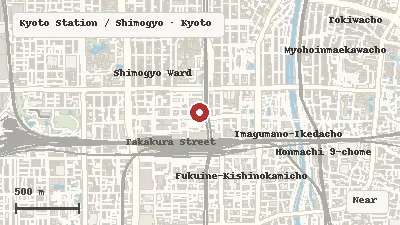
Across from Kyoto Station, Kyoto Tower's observation deck offers a view over the city basin and its mountain edges. The elevated perspective helps connect otherwise scattered districts before exploring them at street level. Its station-side position makes it a possible viewpoint stop at the beginning or end of a Kyoto visit.
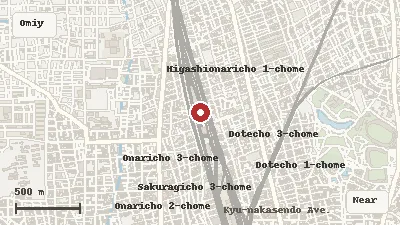
The Railway Museum in Omiya places historic rolling stock alongside displays about railway science and the people who operate the network. The vehicles give the visit its scale, while the work and technology galleries explain what keeps trains running. Choose a balance between looking at trains and exploring the systems behind them.
Explore the meeting of contemporary art, glass architecture and visual illusion at Kanazawa's circular museum.
Thanks for helping us improve. We have received your feedback.