Tokyo & KantōPreview
Takashimaya Times Square
Department-store floors, specialty tenants and dining beside Shinjuku Station.

EXPLORE BY PLACE + LENS
Search the interactive Places catalog for landmarks, local neighborhoods and unexpected stops by destination, Lens or keyword. Read Public guides and browse Preview introductions. A free account lets you filter your saved Public Favorites.
Looking for an editorial shortlist? Start with Japan Essentials, then use Discover to combine interests and refine your search.
Department-store floors, specialty tenants and dining beside Shinjuku Station.
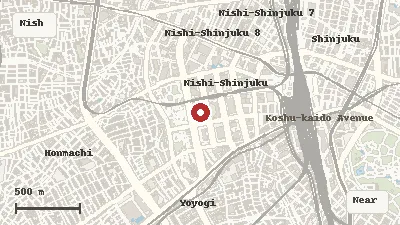
The Tokyo Metropolitan Government Building Observatories look across Shinjuku's towers and the wider city from a working civic complex. Clear conditions may reveal distant mountains, including Mount Fuji, while the closer urban landscape gives plenty to examine on its own. Consult the official north and south observatory calendars before choosing your visit, since their access arrangements can differ.
Ito Chuta's 1934 Tsukiji Hongwanji hall, with stained glass and sculptural detail.
Period-style streets, performances and participatory Edo-themed experiences near Nikko.
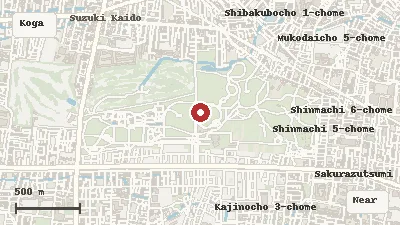
Koganei Park spreads lawns, cherry planting and recreation areas across a large part of western Tokyo. The Edo-Tokyo Open Air Architectural Museum occupies one section, adding preserved buildings to a landscape better known for outdoor activity. Choose a park circuit that suits your time and arrange museum admission separately if architectural history is part of the visit.
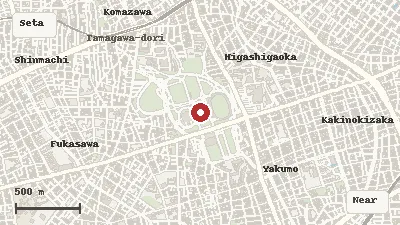
Komazawa Olympic Park keeps the architecture of Tokyo's 1964 Games within a working sports landscape. Stadiums and the central plaza stand beside running routes, trees and neighborhood recreation areas. A walk here is a chance to see how facilities built for an international event became places used by local residents long after the competitions ended.
Hokusai's work and his Sumida roots explored in a museum at Ryogoku.
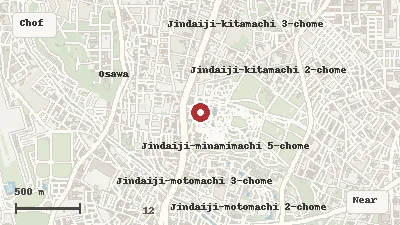
Jindai Botanical Gardens organizes roses, plum trees, greenhouse plants and other collections into a substantial garden visit in Chofu. The changing planting gives different parts of the grounds their moment through the year, while the greenhouse adds another climate and scale. Pair selected collections with the neighboring Jindaiji district if you want to combine plants and temple surroundings.
Mori Art Museum presents contemporary art high inside Roppongi Hills Mori Tower. Its changing exhibitions often extend into architecture, design and questions about contemporary society, making the program the main reason to choose a visit. Check exhibition dates and ticket availability first, and treat any Tokyo City View observatory visit as a separate planning decision.
Japanese and East Asian art galleries opening onto a landscaped Aoyama garden.
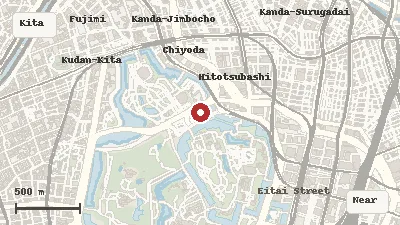
MOMAT traces modern Japanese art through changing selections from its collection near Tokyo's Takebashi moat. Painting, sculpture and other media reveal different responses to the country's social and artistic changes. Start with the current collection display or a special exhibition, leaving enough time to follow the historical connections between works across the galleries.
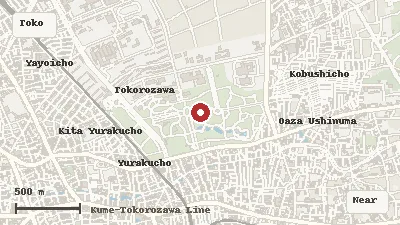
Tokorozawa Aviation Memorial Park occupies the site of Japan's first airfield, turning aviation history into a landscape of aircraft displays and public green space. The open grounds allow a park walk to include reminders of early flight. Check the aviation museum's separate calendar if you want to extend the visit from outdoor exhibits to its indoor collection.
Station-side retail, dining and rotating specialty tenants at Urawa PARCO.
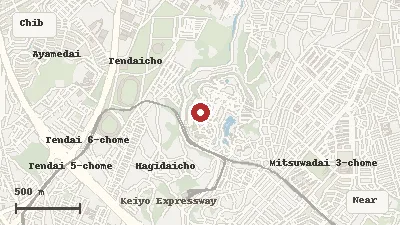
Chiba Zoological Park spreads animal exhibits across distinct zones for primates, grassland species and smaller mammals. Its size encourages choosing a route with time for observation rather than moving quickly between every enclosure. The zoo's broader collection and educational focus make it a substantial outing, with the day's animal availability best checked through current notices.
See Kita-in's Tokugawa-linked rooms and stone rakan in Kawagoe.
Bathe outdoors above Kusatsu's steaming Sainokawara valley.
Soak at Tenzan's wooded day-use baths in Oku-Yumoto.
Try Fuunji's rich tsukemen near Shinjuku's south side.
Soak at Hakone Yuryo's day-use baths near Hakone-Yumoto.
Follow Hodosan Shrine's wooded approach in Nagatoro.
Climb Ikaho's 365 stone steps through the onsen town.
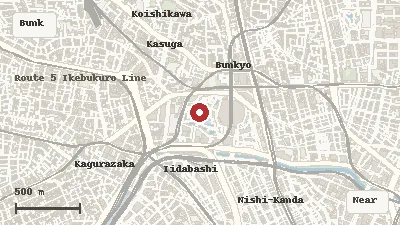
Koishikawa Korakuen combines Japanese scenic references with Chinese-inspired landscape ideas in a former Mito Tokugawa garden. Ponds, bridges and miniature landscape features create a sequence of views within central Tokyo. Follow the names and shapes of those features as you walk to see how the garden evokes places beyond its own boundaries.
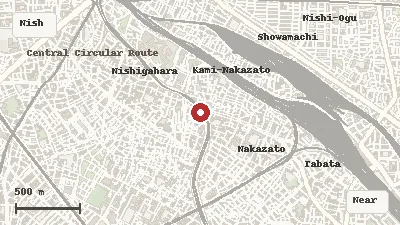
Kyu-Furukawa Gardens moves from a Western-style house and formal rose terraces into a Japanese garden below. The slope makes the transition between the two landscapes physically clear, with different planting and viewpoints at each level. Explore both parts of the grounds, checking the residence's separate arrangements if you also want to see inside.
See Fukagawa's Hachiman shrine and sumo monuments.
Thanks for helping us improve. We have received your feedback.