Kobe & HyōgoPreview
Himeji Castle
Follow Himeji Castle’s winding defences towards its white-walled wooden keep, where the architecture is as compelling from within as from the city below.

EXPLORE BY PLACE + LENS
Search the interactive Places catalog for landmarks, local neighborhoods and unexpected stops by destination, Lens or keyword. Read Public guides and browse Preview introductions. A free account lets you filter your saved Public Favorites.
Looking for an editorial shortlist? Start with Japan Essentials, then use Discover to combine interests and refine your search.
Follow Himeji Castle’s winding defences towards its white-walled wooden keep, where the architecture is as compelling from within as from the city below.
Explore Kobe's Chinese food traditions around Nankinmachi's gates, shops and central square.
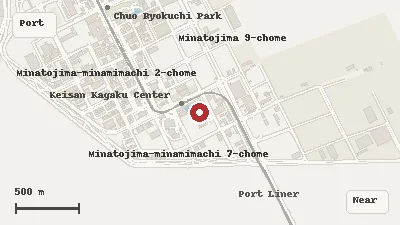
Planted greenhouse spaces and outdoor habitats shape a visit to Kobe Animal Kingdom on Port Island. Its origins as a flower-and-bird park remain visible in the way vegetation surrounds the animal displays. Build the visit around observing those environments, then use the day's program to choose any demonstrations you want to see.
Find Ikuta Shrine and its woodland behind central Sannomiya.
Walk Kobe's harbor past Port Tower and the 1995 earthquake memorial.
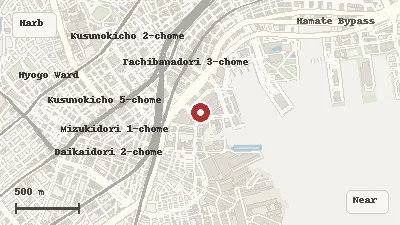
Kobe Harborland combines waterfront promenades, shopping and dining on former port and railway land. The Mosaic and umie areas provide commercial stops while harbor views connect the district visually with Meriken Park. Give the waterfront walk time of its own, then choose individual shops or restaurants rather than treating Harborland as one enclosed attraction.
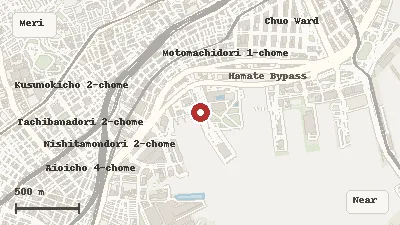
Kobe Port Tower's red lattice structure rises above the waterfront near Meriken Park. From its observation levels, the harbor, city streets and Rokko mountains reveal Kobe's narrow setting between sea and hills. The rooftop deck adds an open-air option, with access conditions to check when choosing the view you want.
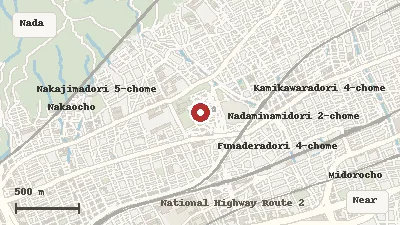
Kobe Oji Zoo combines animal exhibits with an unexpected piece of the city's international-port heritage: the Former Hunter Residence. The Western-style house stands within the grounds and gives the visit an architectural dimension alongside the zoo. Check any special opening arrangements if seeing the residence interior is a priority, since its presence does not imply unrestricted entry.
Seasonal hilltop flower fields with wide coastal views on Awaji Island.
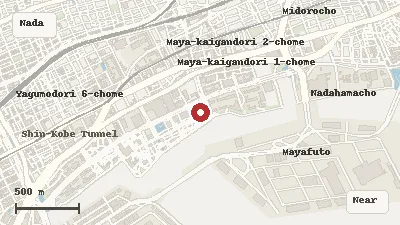
Hyogo Prefectural Museum of Art places modern and contemporary art within Tadao Ando's waterfront architecture in HAT Kobe. Concrete volumes, stairs and terraces make movement around the building part of the visit. Combine a selected exhibition with time outside the galleries to appreciate how the museum meets the rebuilt waterfront district.
Explore marine exhibits and scheduled programs on the Kinosaki coast.
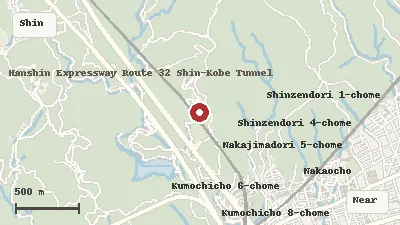
Kobe Nunobiki Herb Gardens begins with a ropeway journey from the city edge toward the slopes above Shin-Kobe. At the top, terraces lead into themed planting and a garden route descending through the hillside. Give the herb beds and greenhouse spaces time as well as the panorama, and plan the return around the ropeway's current operation.
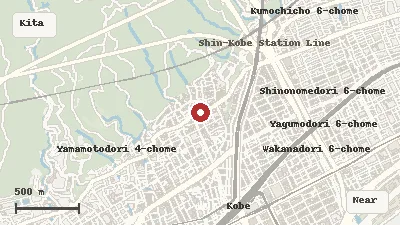
Kobe's Kitano Ijinkan-gai follows hillside streets between Western-style residences associated with the city's foreign communities. The surviving houses show a residential side of treaty-port history, with cafés and later uses woven into the district. Choose individual interiors after checking their access arrangements, and allow for uphill walking between them.
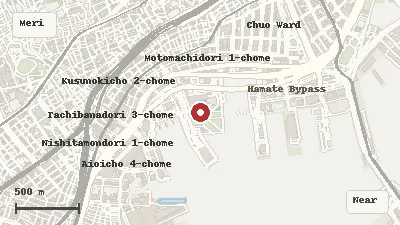
Kobe Maritime Museum places the port's history beneath a white roof that evokes sails on the Meriken Park waterfront. Ship models and maritime displays explain the activity behind the harbor scenery, while Kawasaki Good Times World shares the building with a broader industrial focus. Follow the subjects that interest you, then compare the exhibits with the working waterfront outside.
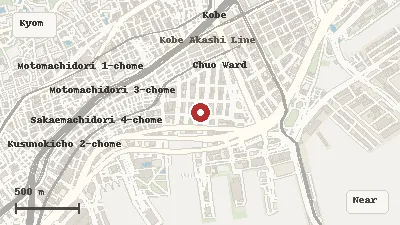
Kobe City Museum occupies a former bank building in the old foreign settlement, giving its collections an architectural connection to the city's international past. Archaeology, maps and works associated with cultural exchange trace relationships extending beyond the modern port. Check the current exhibition program, then look at the surrounding streets as another part of that history.
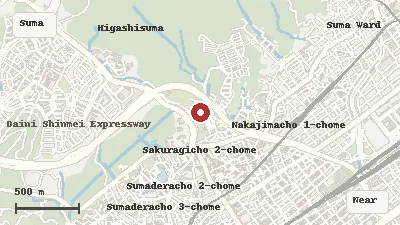
Suma Rikyu Park combines a formal fountain garden with rose terraces and botanical areas on Kobe's Suma hillside. The grounds occupy land associated with a former imperial villa, but the present visit centers on planted landscapes, water and open views. Different flowering seasons change which parts of the park draw the eye.
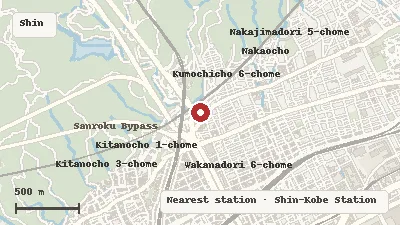
Takenaka Carpentry Tools Museum in Kobe explains the tools and skill behind Japanese timber construction. Exhibits connect chisels, planes and other implements with the carpenters who use them, supported by models and material displays. It offers a closer look at the craft that is often hidden inside temples, houses and tea rooms.
Thanks for helping us improve. We have received your feedback.