

MYTHOLOGY / YŌKAI & LEGENDS
Japanese Mythology: Gods, Yōkai & Legends
Explore Japan’s kami and gods, classical myths and legendary figures, then discover yōkai, ghosts and urban legends. Browse the stories and their cultural context, whether you are planning a visit or reading out of curiosity.
Kami, gods, legends, yōkai & living tradition.
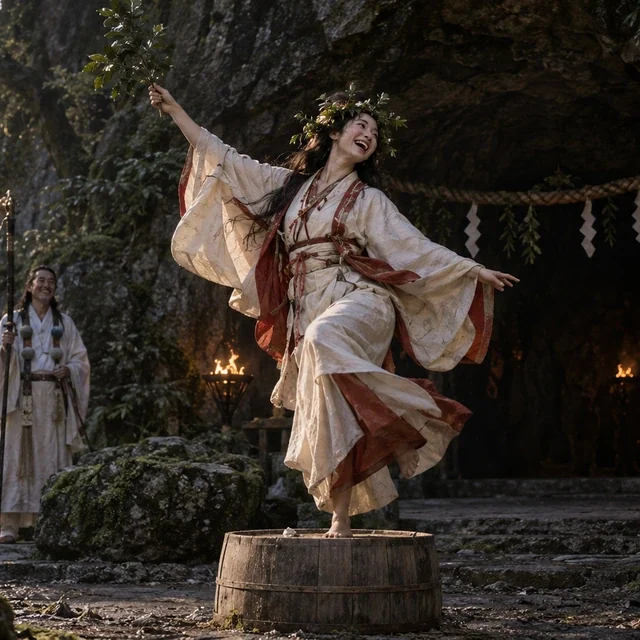
Ame-no-Uzume
天宇受売命
Ame-no-Uzume is the fearless kami of the rock-cave episode whose ecstatic performance draws laughter and helps return Amaterasu to the world, then reappears as the one willing to confront the unknown figure Sarutahiko.
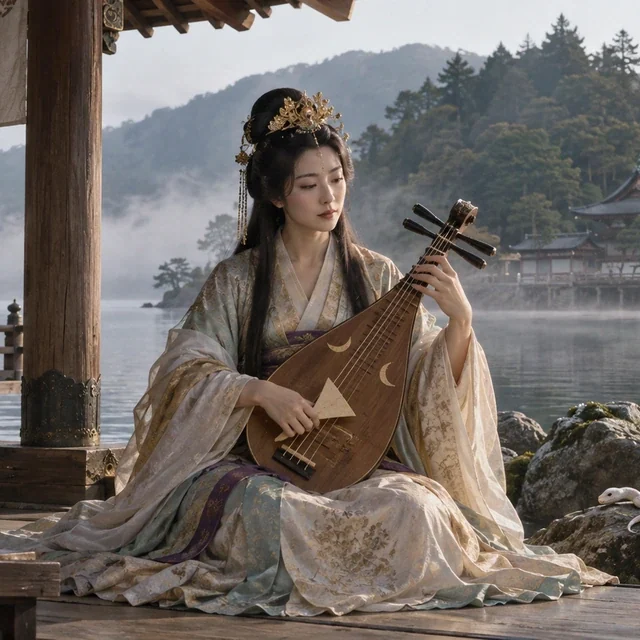
Benzaiten
弁財天
Benzaiten is Japan’s richly transformed Sarasvatī: a Buddhist deity whose river origins, eloquence, music, water cults, serpentine forms, and later place among the Seven Gods of Good Fortune accumulated across centuries of Japanese worship.
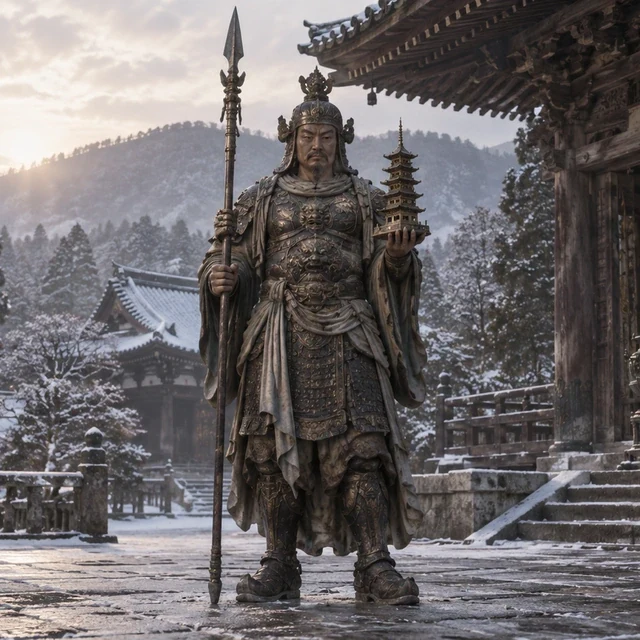
Bishamonten
毘沙門天
Bishamonten is the Japanese form of Vaiśravaṇa, the armored Buddhist guardian of the north whose roles in temple protection, warrior devotion, and the Seven Gods of Good Fortune reveal several distinct layers of Japanese religious history.
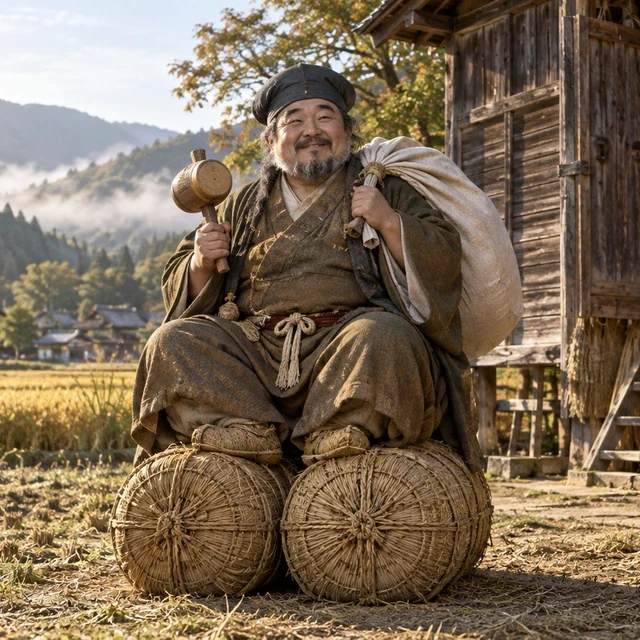
Daikokuten
大黒天
Daikokuten is Japan’s transformed form of Mahākāla: once a fierce Buddhist protector and kitchen tutelary, later blended with Ōkuninushi and recast as the smiling, mallet-bearing god of household and commercial fortune.
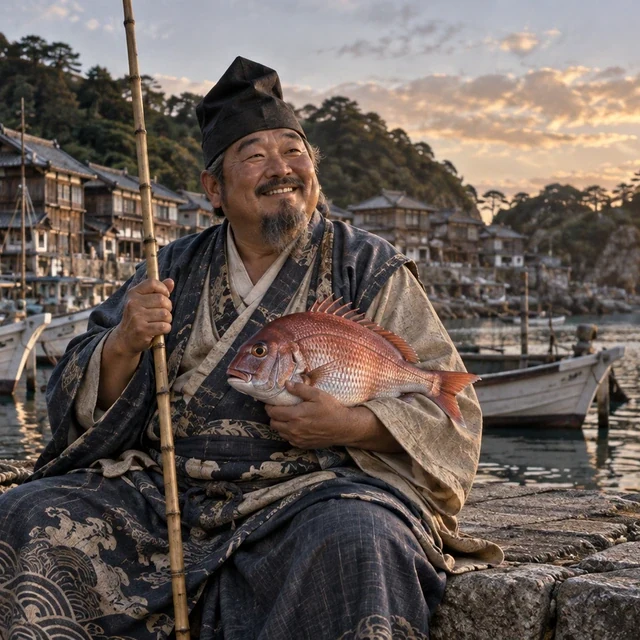
Ebisu
恵比寿
Ebisu is Japan’s many-layered god of fortunate arrivals: first rooted in fishing and the sea, then adapted to markets, agriculture, commerce, and the Seven Gods of Good Fortune.
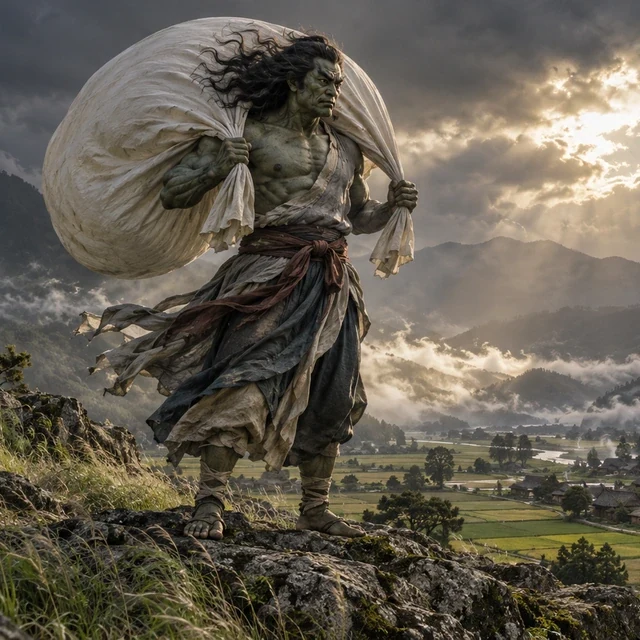
Fūjin
風神
Fūjin is both a name for Japan’s wind divinity and the famous bag-carrying Wind God of art, linking ancient weather rites, agricultural anxieties, Buddhist imagery, and one of Japan’s most enduring painted pairings.
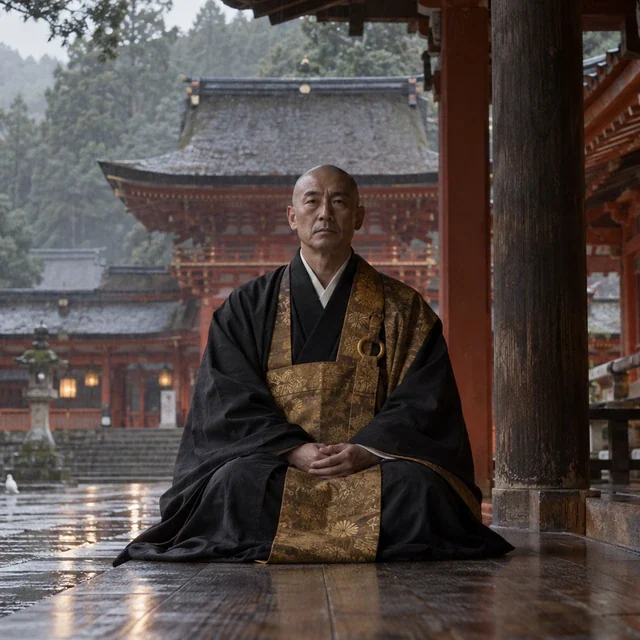
Hachiman
八幡神
Hachiman grew from the ancient cult at Usa into a national protector, Buddhist Great Bodhisattva, imperial guardian, and Minamoto patron whose worship helped shape Japan’s shrine-temple and warrior history.
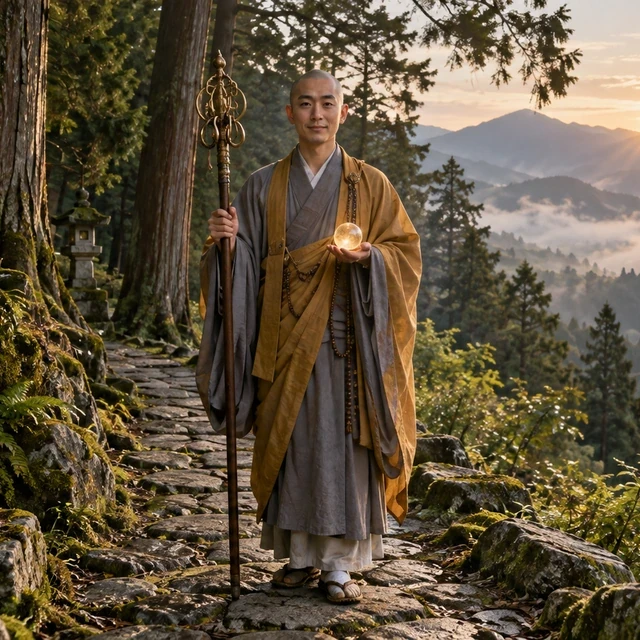
Jizō
地蔵菩薩
Jizō is the Japanese form of Kṣitigarbha, the monk-like bodhisattva whose compassion reaches the six realms and who became especially beloved as a rescuer from hell and protector of travelers and children.
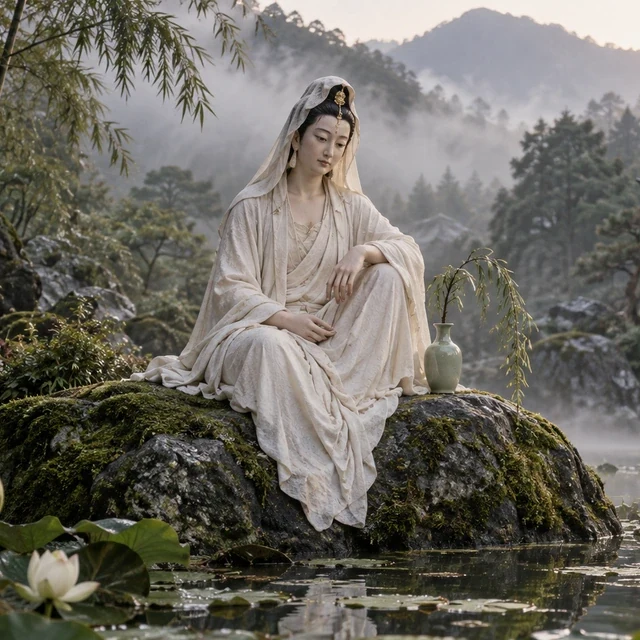
Kannon
観音菩薩
Kannon is Japan’s Avalokiteśvara, the bodhisattva of compassion whose promise to answer suffering produced a remarkable family of forms, pilgrimage traditions, and temple cults across the country.
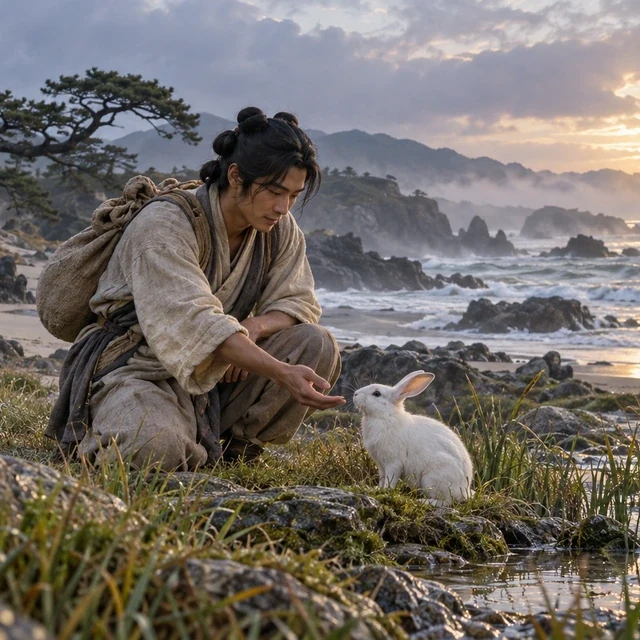
Ōkuninushi
大国主神
Ōkuninushi, the “Great Land Master” of Izumo, moves through healing, death, trials, land-making, and the surrender of earthly rule before becoming the focus of one of Japan’s most important shrine traditions.
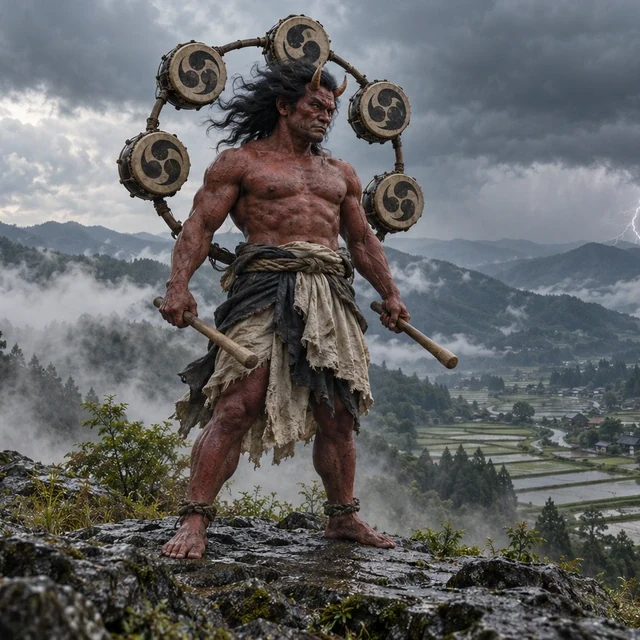
Raijin
雷神
Raijin is the thunder kami of Japanese belief: a power of lightning, rain, agricultural fertility, and sudden disaster whose later drum-ringed image became one of the most recognizable figures in Japanese art.
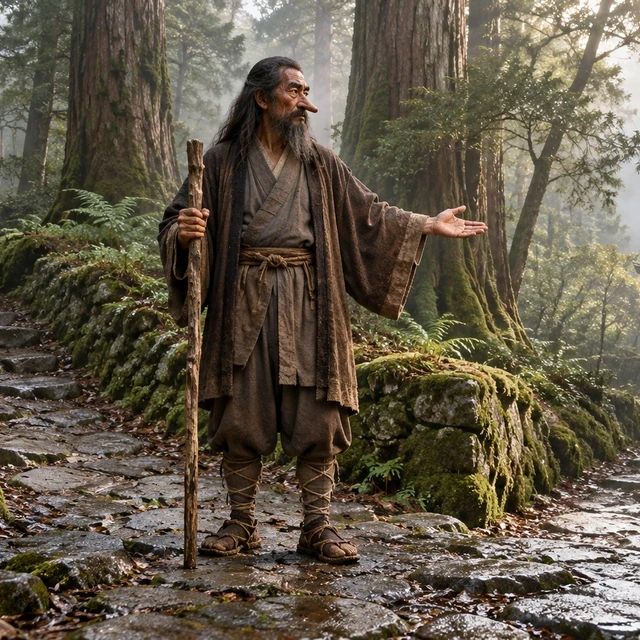
Sarutahiko
猿田彦大神
Sarutahiko is the formidable earthly kami who meets the heavenly descent at a cosmic crossroads, faces Ame-no-Uzume, and guides Ninigi - an episode that later supports a strong Ise tradition of guidance and “opening the way.”
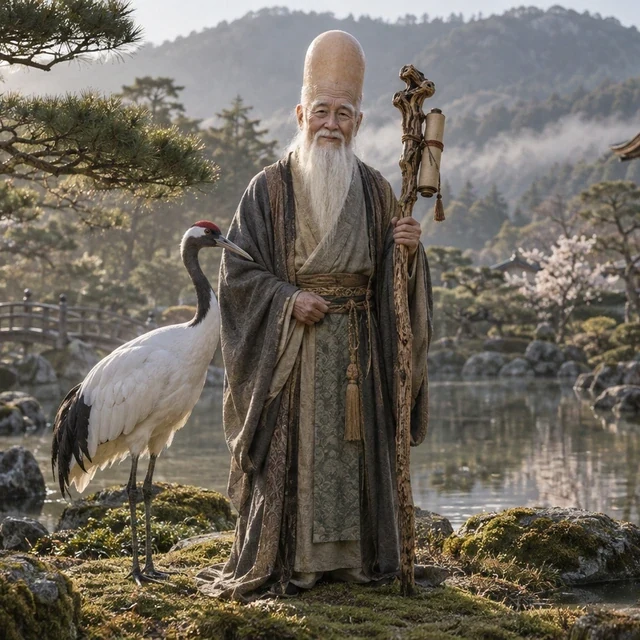
Fukurokuju
福禄寿
Fukurokuju is the long-headed member of Japan’s Seven Gods of Good Fortune whose name joins happiness, prosperity, and longevity, drawing Chinese astral and Daoist ideas into an Edo-period Japanese cult of auspiciousness.
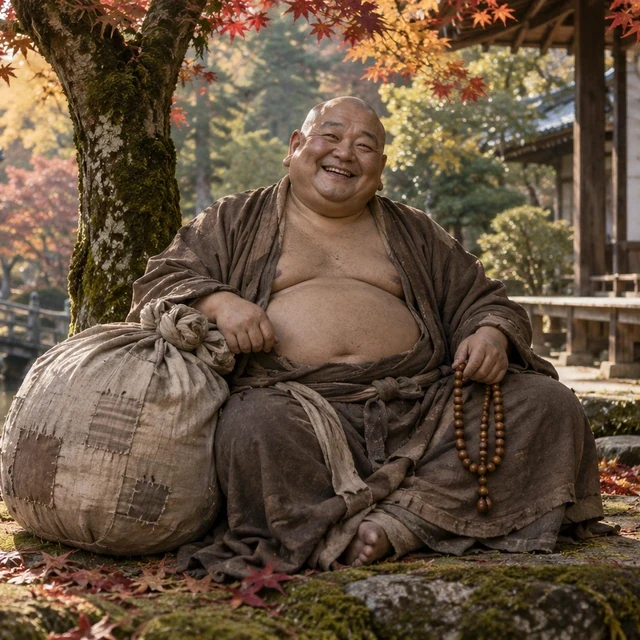
Hotei
布袋
Hotei is Japan’s version of Budai, the cheerful sack-carrying Chinese monk who became associated with Maitreya and Zen imagery before joining the Seven Gods of Good Fortune as a figure of contentment and abundance.
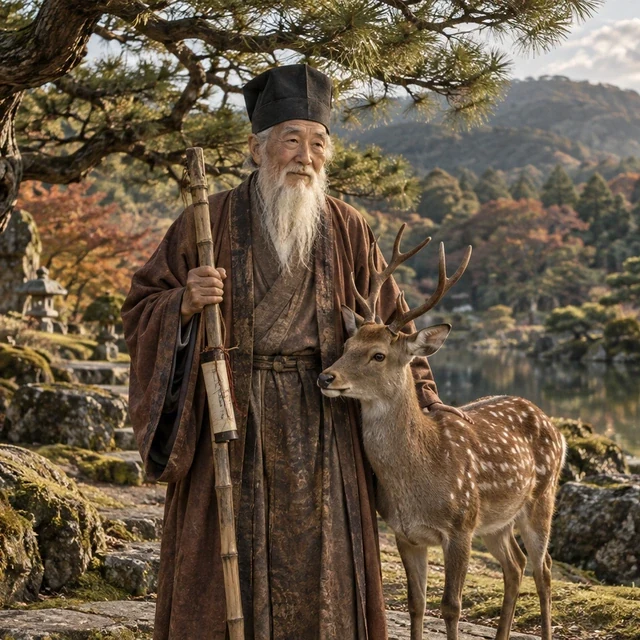
Jurōjin
寿老人
Jurōjin is the Shichifukujin figure most directly centered on longevity, a Chinese/Daoist-derived old sage whose elongated head, deer, crane, and tortoise imagery overlaps so strongly with Fukurokuju that early modern Japan sometimes merged them.
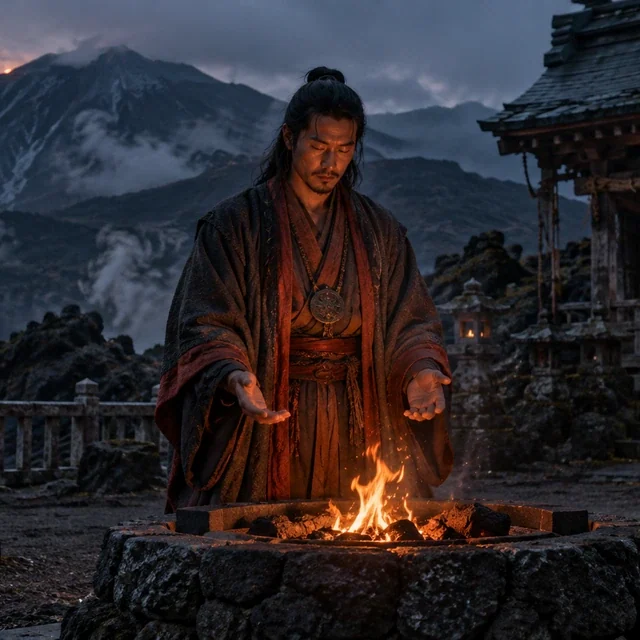
Kagutsuchi
火之迦具土神
Kagutsuchi is the classical fire kami whose birth kills Izanami and whose violent death at Izanagi’s sword generates still more deities, making fire a force of catastrophe, transformation, and later ritual protection.
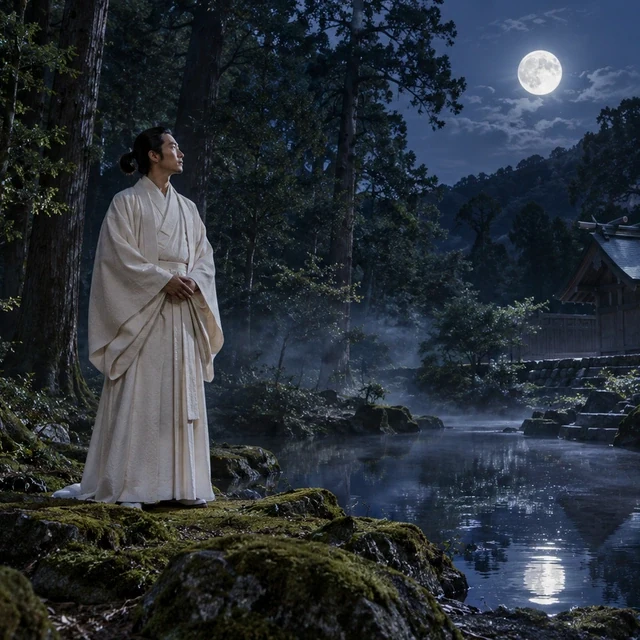
Tsukuyomi
月読命
Tsukuyomi is the moon-associated kami among the three noble children, important in the classical divine order but unusually elusive in narrative, with Kojiki silence, Nihon Shoki variants, and a continuing cult at Ise.
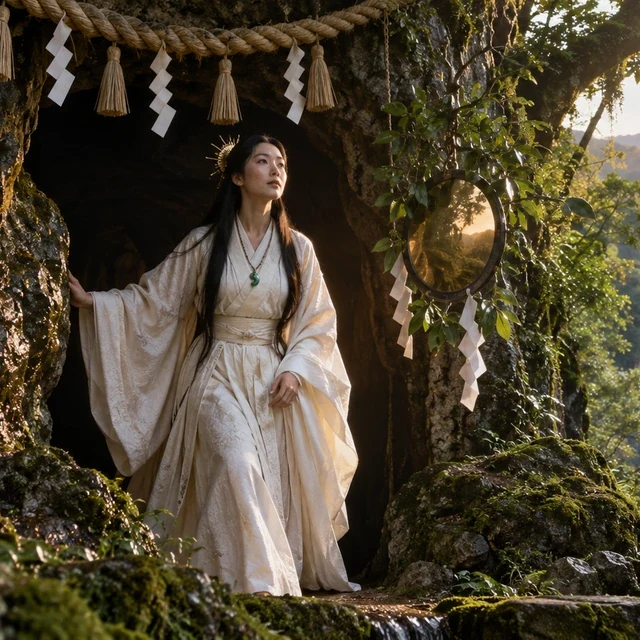
Amaterasu
An entry in the Unmapped Japan member mythology library.
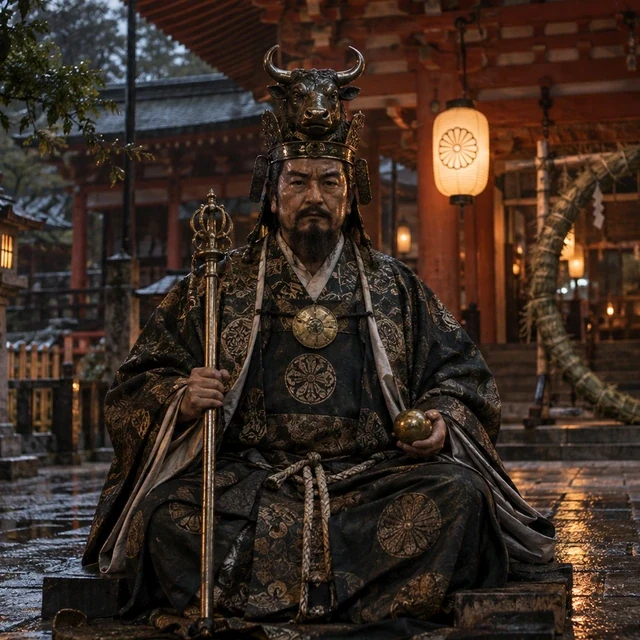
Gozu Tennō
An entry in the Unmapped Japan member mythology library.
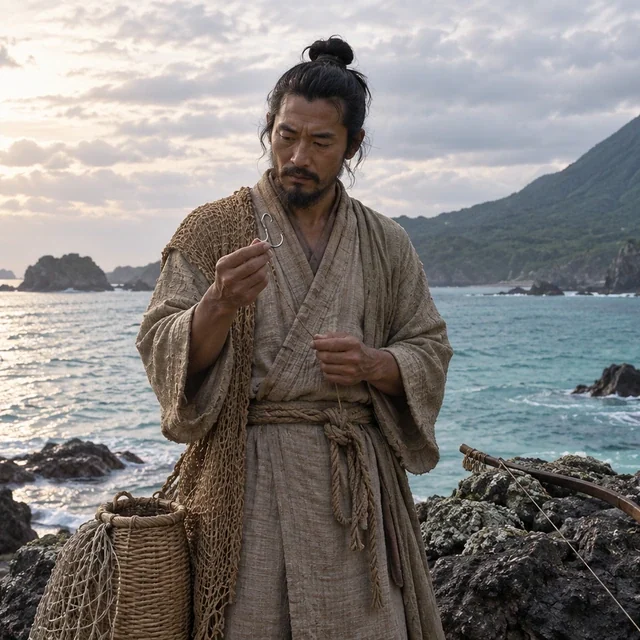
Hoderi
An entry in the Unmapped Japan member mythology library.
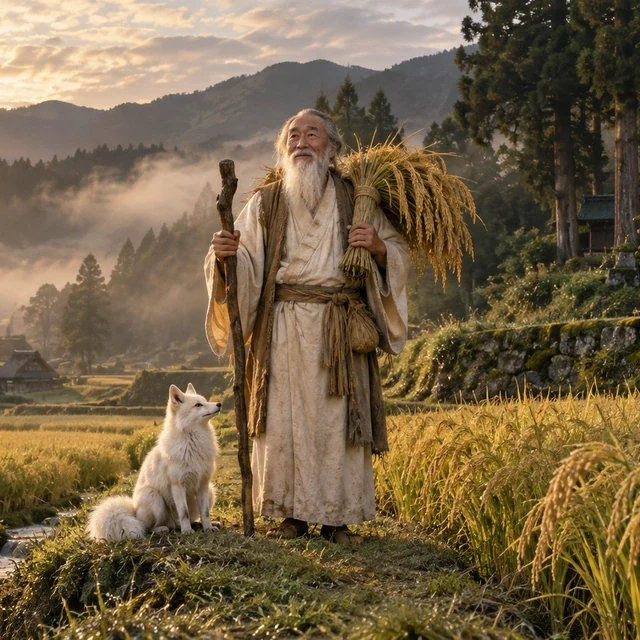
Inari
An entry in the Unmapped Japan member mythology library.
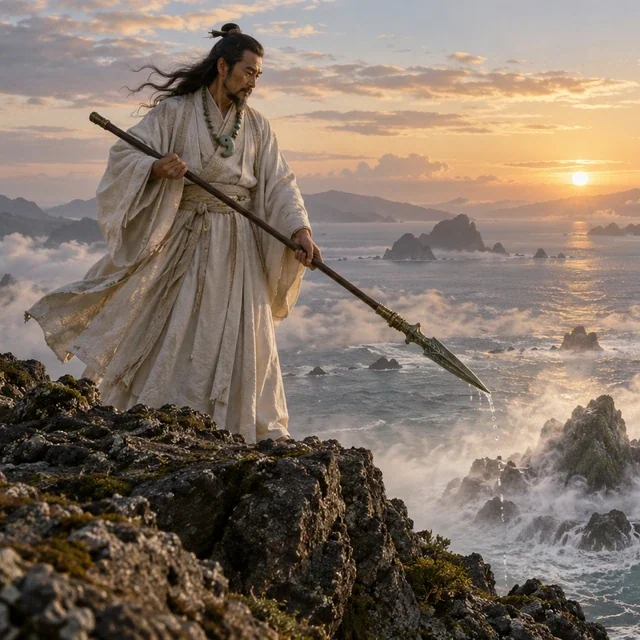
Izanagi
An entry in the Unmapped Japan member mythology library.
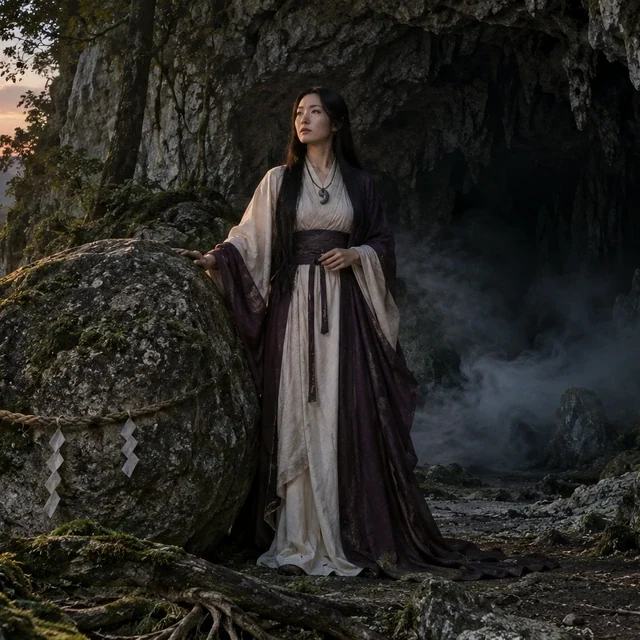
Izanami
An entry in the Unmapped Japan member mythology library.
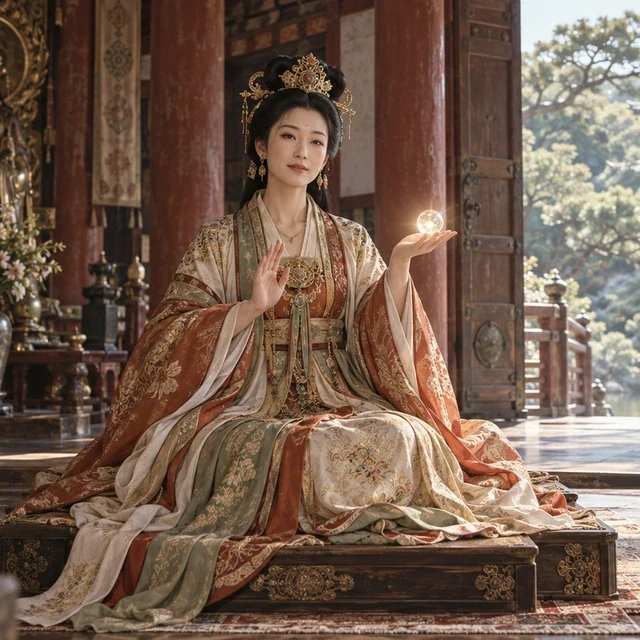
Kichijōten
An entry in the Unmapped Japan member mythology library.
Susanoo
An entry in the Unmapped Japan member mythology library.