Tokyo & KantōPreview
Tsurugaoka Hachimangū
Follow Kamakura's shrine approach from the ponds to the great stair, with the Minamoto story close at hand.

EXPLORE BY PLACE + LENS
Search the interactive Places catalog for landmarks, local neighborhoods and unexpected stops by destination, Lens or keyword. Read Public guides and browse Preview introductions. A free account lets you filter your saved Public Favorites.
Looking for an editorial shortlist? Start with Japan Essentials, then use Discover to combine interests and refine your search.
Follow Kamakura's shrine approach from the ponds to the great stair, with the Minamoto story close at hand.
Leave the shopping streets for open lawns, tree-lined paths and a slower stretch of Harajuku's neighborhood.
Pause beside Shibuya's famous meeting point and the story of the dog remembered there.
Find an active neighborhood shrine where Edo traditions and Akihabara's contemporary culture share the grounds.
Choose a season, check the growing conditions and leave room to explore beyond Miharashi Hill's famous flower views.
Browse the fish counters, compare seafood menus and make lunch the center of a Nakaminato port visit.
Follow Yokohama's harbor edge, pausing at monuments that connect a gentle park walk with the city's past.
See how a garden changes with the season, from expansive wisteria canopies to carefully arranged evening lights.
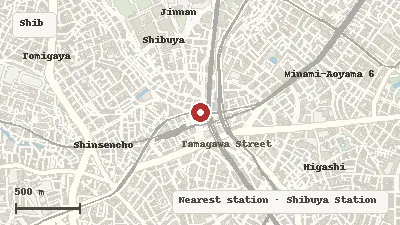
Outside Shibuya Station, pedestrians cross from several directions during the same signal phase at Shibuya Scramble Crossing. The surrounding screens and converging streets make the intersection part of the experience of Shibuya itself. Treat the crossing as a short stop within a wider neighborhood walk, keeping the pedestrian routes clear while taking photographs.
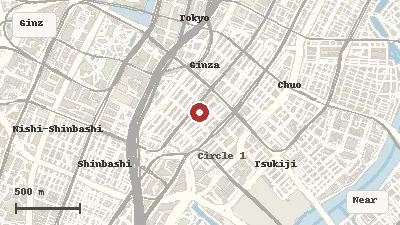
GINZA SIX combines luxury retail with contemporary art, dining and a rooftop garden on Ginza's Chuo-dori. The Kanze Noh Theatre adds a separate performing-arts destination within the complex. Decide whether your visit is for shopping, the building's public spaces or a performance, since each calls for a different plan.
Read Odawara's castle history in its defenses, reconstructed gates and museum keep above the town.
Look up through the Forum's glass atrium and study the structure of one of central Tokyo's striking public spaces.
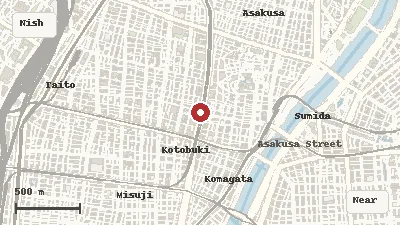
Samurai Ninja Museum Asakusa Tokyo combines guided warrior-history displays with interactive activities in Nishiasakusa. It is a modern visitor experience rather than a historic warrior compound. Pair it with the wider Asakusa area, and check the exact activity package when choosing between a museum introduction and a more specialized session.
See how Lake Chuzenji's water leaves the plateau, from an upper view or the lower observation area.
Approach Yasukuni with attention to its religious role, commemorative purpose and the perspective presented by its museum.
Trace instant noodles from a small work shed to familiar packages, with optional making activities to book into the visit.
Follow Narita's temple approach into a living pilgrimage complex centered on devotion to Fudo Myoo.
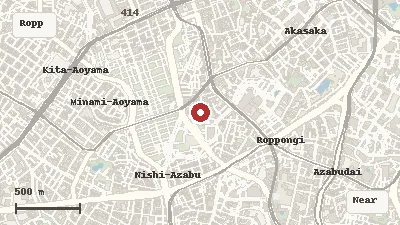
The National Art Center, Tokyo pairs Kisho Kurokawa's sweeping glass architecture with changing exhibitions in Roppongi. It has no permanent collection, so the exhibition calendar is central to deciding when and why to visit. Choose a show that interests you, then leave time to appreciate the building as a separate part of the experience.
Step into Ghibli's world of animation craft, original short films and architectural surprises in Mitaka.
Choose a bayfront walk, birdwatching or a separate attraction at one of eastern Tokyo's broad coastal parks.
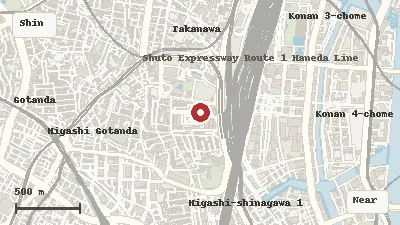
Maxell Aqua Park Shinagawa combines aquarium exhibits with light, sound and staged presentations in the Shinagawa Prince Hotel area. Jellyfish displays and the circular dolphin arena shape an experience that differs from a straightforward sequence of tanks. Check the presentation schedule before choosing how to divide your time inside.
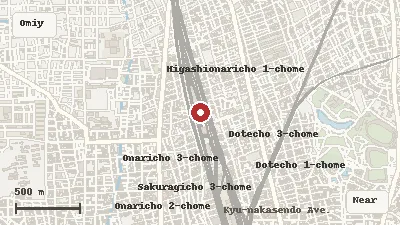
The Railway Museum in Omiya places historic rolling stock alongside displays about railway science and the people who operate the network. The vehicles give the visit its scale, while the work and technology galleries explain what keeps trains running. Choose a balance between looking at trains and exploring the systems behind them.
Explore the steaming Yubatake and choose a bathhouse for a visit to the hot-spring town of Kusatsu.
Look beyond the counters at Nihombashi Mitsukoshi's entrance lions, central hall and department-store heritage.
Thanks for helping us improve. We have received your feedback.