Tokyo & KantōPreview
Kashiya Yokocho Candy Alley
Taste Kawagoe's confectionery tradition along Kashiya Yokocho.

EXPLORE BY PLACE + LENS
Search the interactive Places catalog for landmarks, local neighborhoods and unexpected stops by destination, Lens or keyword. Read Public guides and browse Preview introductions. A free account lets you filter your saved Public Favorites.
Looking for an editorial shortlist? Start with Japan Essentials, then use Discover to combine interests and refine your search.
Taste Kawagoe's confectionery tradition along Kashiya Yokocho.
Den Den Town packs electronics, games and anime retail into Osaka streets.
See Inubōsaki's white lighthouse on the Chōshi headland.
Find brewery-era brickwork beside Sapporo Factory's shops and atrium.
Climb Magome-juku's old Nakasendō street in the Kiso hills.
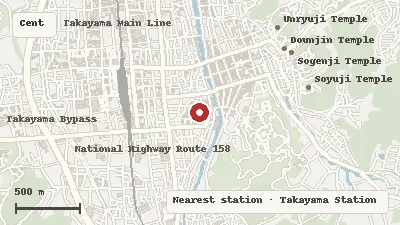
Takayama Jinya preserves the administrative side of Edo-period Hida in a complex of offices, residential rooms and storehouses. Moving between these spaces shows how governing the region involved both official business and the routines of a working household. It provides a useful counterpart to Takayama's merchant streets by bringing the machinery of government into view.
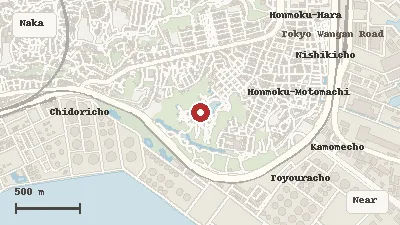
Sankeien Garden in Yokohama brings historic buildings relocated from different parts of Japan into a landscape assembled by silk entrepreneur Hara Sankei. Paths connect architectural views with the planted grounds, allowing the buildings to be experienced as part of a larger composition. Look at their individual origins as well as the way they sit within the garden.
A preserved Nakasendo post town and the Kiso Valley route toward Magome.
A long-running Iwate farm landscape with public activities beneath the mountains.
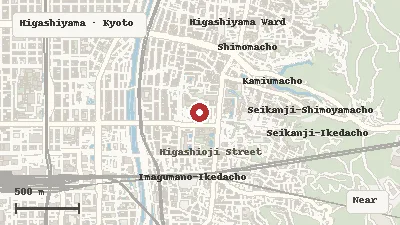
Kyoto National Museum brings premodern art and cultural properties into a campus combining Meiji-era architecture with the modern Heisei Chishinkan. Its subject matter connects closely with the temples and shrines of the surrounding city. Check the exhibition calendar before arranging a gallery visit: between programs, access may be limited to the gardens and outdoor exhibits.
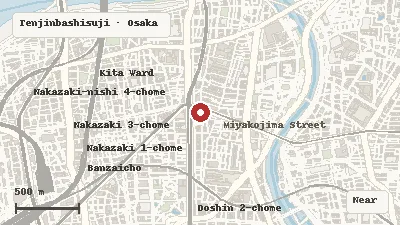
Osaka Museum of Housing and Living uses a full-scale Edo-period streetscape to bring urban domestic history within walking reach. Reconstructed lanes and merchant buildings let visitors experience the scale of a neighborhood, while other galleries trace later changes in housing and everyday life. Compare the immersive town setting with the modern-era displays for a longer view of the city.
Period-style streets, performances and participatory Edo-themed experiences near Nikko.
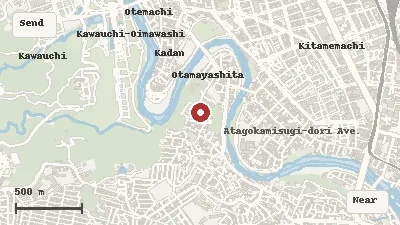
Zuihoden stands on a wooded Sendai hillside as the mausoleum of Date Masamune. Ornate reconstructed architecture and nearby memorials to later Date lords connect the site with the domain's ruling family. Read the buildings as postwar reconstructions of a lost complex while appreciating the continuing memorial purpose of the grounds.
Choose among Hyotan Onsen's baths in Beppu's Kannawa district.
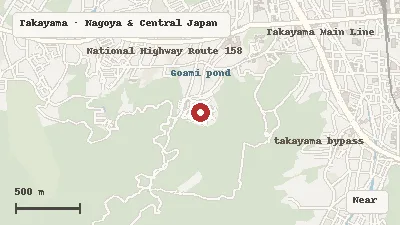
Hida no Sato gathers traditional farmhouses and other regional buildings into an open-air museum near Takayama. Roof forms, domestic spaces and everyday tools show how mountain households adapted to heavy snow and rural work. Move between several buildings to compare their uses, remembering that the village brings structures from different original communities together.
A long wooden Nakasendo streetscape through the Kiso Valley at Narai-juku.
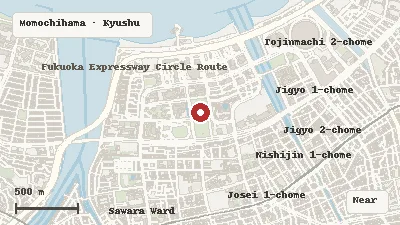
Fukuoka City Museum presents the city's history through its long relationship with continental Asia. The ancient gold seal associated with the state of Na provides a starting point for a wider story of diplomacy, trade and local life. Follow the regional narrative beyond that single object to connect the museum with the city outside.
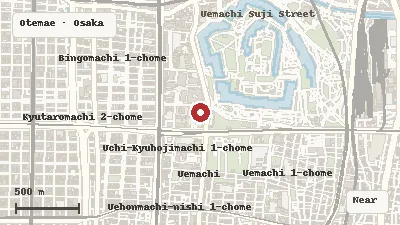
Osaka Museum of History connects gallery reconstructions with the Naniwa Palace landscape visible outside. Its route moves from ancient political life through the merchant city to modern Osaka, using environments and models to show changes in urban form. Look out toward the archaeological site as well as at the displays to keep the history tied to place.
Sennichimae Doguyasuji reveals Osaka's restaurant culture through the tools behind it. Knives, cookware, tableware, signs and food models fill specialist shops along a compact Namba arcade. Browse with a particular interest in mind or compare what different businesses supply; the street serves working kitchens as well as visitors shopping for smaller items.
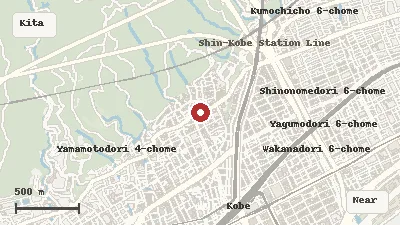
Kobe's Kitano Ijinkan-gai follows hillside streets between Western-style residences associated with the city's foreign communities. The surviving houses show a residential side of treaty-port history, with cafés and later uses woven into the district. Choose individual interiors after checking their access arrangements, and allow for uphill walking between them.
Stroll Tomonoura's harbor streets and stone lighthouse.
Walk through relocated Tokyo buildings at the open-air museum.
Browse Nakasu's evening yatai along the Naka River.
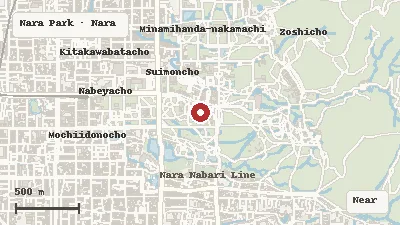
Nara National Museum places Buddhist sculpture, painting and ritual material in the context of the region's religious history. Its galleries can help explain objects and imagery encountered at nearby temples, making the museum a useful part of a Nara Park day. Choose from the current exhibitions rather than assuming every collection highlight will be on view.
Thanks for helping us improve. We have received your feedback.